
Plants
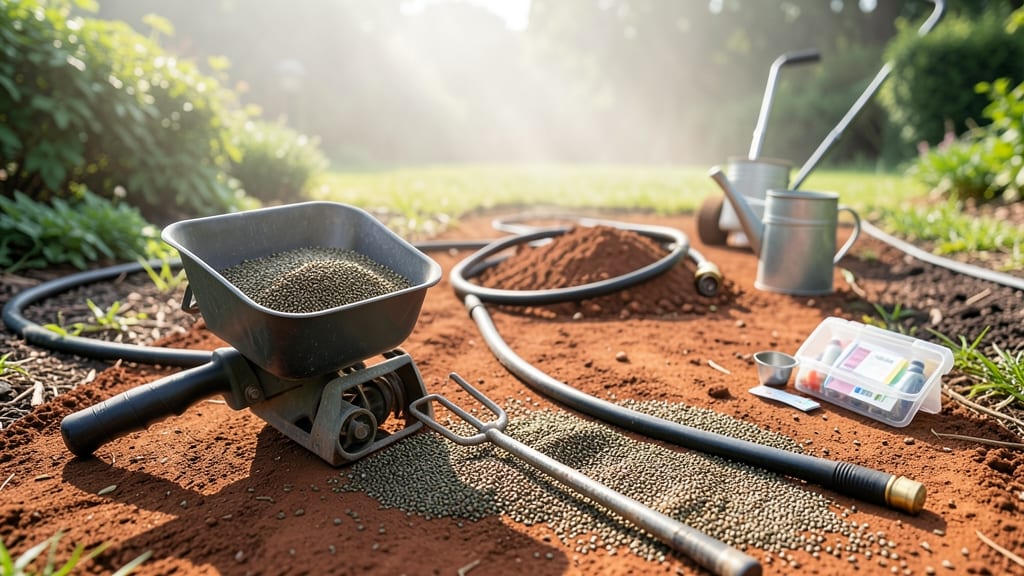
If you've ever stared at a patchy Georgia lawn and wondered when is the best time to plant grass seed in Georgia, the answer might be simpler than you think—it's all about timing.
Planting your 🌱 grass seed at the wrong moment can leave you waiting months for that lush green carpet, while getting it right means faster germination and stronger roots that thrive in Georgia's 7b-8b climate.
The secret lies in understanding Georgia's two prime planting windows: early spring and late summer. These periods offer the perfect balance of soil temperatures, rainfall, and fewer weeds to compete with your new grass.
But here's the catch—what works for the Piedmont region might not be ideal for the Coastal Plain, and knowing the subtle differences can make or break your lawn's success.
In this guide, I'll walk you through the exact soil temperatures and rainfall patterns to watch for, plus regional tips tailored to Georgia's diverse zones.
You'll learn how to prepare your soil, choose the right seed, and care for your new grass to ensure it establishes quickly and stays vibrant all year.
Whether you're a first-time gardener or a seasoned pro, these insights will help you skip the guesswork and create the lawn of your dreams—without the frustration. Let's get started.
Optimal Georgia grass seed planting windows by soil temperature
Georgia’s diverse climate means the best time to plant grass seed varies dramatically from North Georgia’s mountains to South Georgia’s coastal plains. For cool-season grasses like tall fescue and ryegrass, aim for early spring (March-April) when soil temperatures hit 50-60°F.
Meanwhile, warm-season grasses such as Bermuda and Zoysia thrive when planted in late summer (August-September) once soil warms to 65-75°F.
Soil temperature is your #1 guide—cold soil slows germination, while heat can dry out seeds before they sprout. Use a soil thermometer to check 2-3 inches deep. In North Georgia (USDA zones 7a-7b), wait until mid-April for cool-season grasses.
In South Georgia (zones 8a-8b), you can start as early as February for warm-season varieties.
Timing also depends on your grass type. Tall fescue and perennial ryegrass need cooler temps, while Bermuda and Centipede demand heat. Planting at the wrong time can lead to slow growth, disease susceptibility, or even seed failure.
For North Georgia gardeners, late spring (May) can still work for warm-season grasses if you’re in a higher elevation area. Check your last frost date—planting too early risks frost damage, while waiting too late may mean competition from weeds.
In South Georgia, you’ve got more flexibility with longer growing seasons, but avoid planting during peak summer heat (June-July) unless you’re using shade-tolerant varieties.
Pro tip: If you’re overseeding an existing lawn, choose a cool-season grass in late summer (August) to take advantage of fall rains. This is called "fall overseeding" and gives your lawn a head start before winter dormancy.
Always test your soil pH before planting. Georgia’s soil is often acidic (pH 5.5-6.5), which can stunt grass growth. Aim for a pH of 6.0-7.0 for most grass types. You can adjust this with lime (to raise pH) or sulfur (to lower pH) 4-6 weeks before planting.
One common mistake is ignoring microclimates in your yard. A shady spot may stay cooler longer, while a south-facing slope heats up faster. Adjust your planting schedule accordingly—shady areas can handle cooler soil temps for a few extra weeks.
Finally, watering schedules shift with seasons. In spring, water lightly but frequently (daily for the first 2 weeks), while in fall, you can reduce to every 2-3 days once established. Use a rain gauge to track moisture—Georgia’s unpredictable rains can make it easy to over- or under-water.
Ready to plant? Grab your soil thermometer, mark your calendar, and choose your grass type based on your region. With the right timing, you’ll have that lush Georgia lawn in no time! 🌱
How Georgia rainfall patterns affect grass seed success
Georgia’s rainfall can make or break your grass seed success—too little moisture and your seeds dry out, while too much can wash them away or cause rot. The key is planting when natural rainfall aligns with your seed’s germination needs.
In most of Georgia, the ideal planting windows (March-April and August-September) coincide with periods of consistent but not excessive rainfall, giving young seedlings the moisture they crave without drowning them.
For northern Georgia (like Atlanta), spring showers in March and April provide perfect conditions, while southern regions (Savannah, Macon) benefit from late summer humidity before hurricane season kicks in.
Always check local forecasts—aim for 0.5–1 inch of rain per week during germination. If drought hits, supplement with light morning watering (never overhead in the evening).
Here’s how Georgia’s rainfall patterns break down by region and season:
Pro tip: Test your soil’s moisture retention before planting. Stick a screwdriver into the soil—if it goes in easily but the hole holds its shape, you’re golden. If it crumbles, water lightly the day before seeding. For sandy soils (common in coastal Georgia), add compost to improve water retention.
Remember, overwatering is just as harmful as underwatering. Young grass roots need oxygen, so avoid soggy soil. If your lawn feels spongy after rain, wait 2–3 days before planting to let excess moisture drain.
A soil moisture meter ($15 at garden centers) is a game-changer for nailing the right balance.
Finally, pair your planting with light mulching (¼-inch straw) to shield seeds from heavy rain while keeping them hydrated. This simple trick can double your germination rate in Georgia’s variable climate. 🌱