
Plants
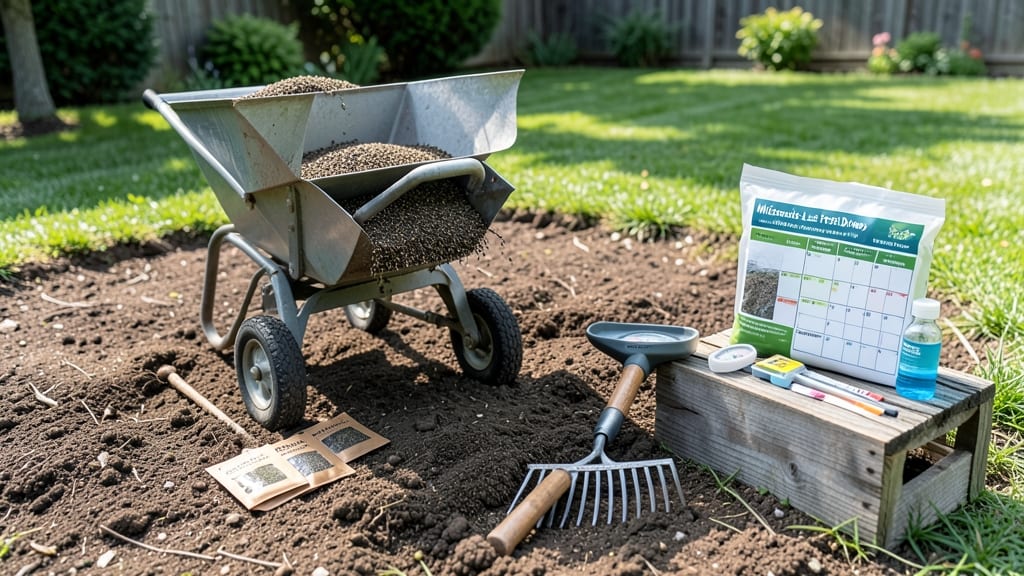
You’re staring at that last empty patch of your Michigan lawn, wondering when it is too late to plant grass seed—or if you’re just wasting money. The answer depends on your USDA zone, soil temperature, and the type of grass you’re planting.
Planting too late can leave your lawn vulnerable to frost, dormancy, or even winterkill, but with the right timing and varieties, you can still get a head start for next spring.
Michigan’s 5a-6b zones have specific deadlines that vary by region, with the Upper Peninsula typically running cooler than the Lower Peninsula. The key is ensuring your soil stays above 50°F for at least 4 weeks—otherwise, your seeds might struggle to germinate before winter sets in.
Even if you miss the ideal window, some cold-hardy grasses can still establish roots and survive the season.
Don’t panic if you’re late to the game. In this guide, I’ll break down the exact last-minute deadlines by zone, how to test your soil temperature, and which grass varieties are tough enough to handle Michigan’s unpredictable fall weather.
You’ll also learn how to extend your planting window with mulching and other tricks—so you can still grow that lush, green lawn you’ve been dreaming of.
Whether you’re a first-time gardener or a seasoned green thumb, these insights will help you avoid costly mistakes. Let’s get your grass seed in the ground at the right time—before it’s too late.
Michigan grass seed planting deadlines by USDA Zone (2024 fall schedule)
Michigan’s USDA Zones 5a-6b create a tricky balance for fall grass planting. While early September is ideal, late-season plantings can still work if you hit the right conditions. The key? Soil temperature and frost timing—not just the calendar date.
For Zone 5a (northern Michigan, including the Upper Peninsula), your window narrows dramatically. Grass seed needs at least 4-6 weeks of warm soil (above 50°F) to establish roots before winter dormancy. In Zone 6b (southern Michigan), you have a slightly longer grace period—but don’t push it past mid-October.
Here’s the hard truth: Planting after October 15th in most of Michigan risks winterkill, where young grass freezes solid before developing deep roots. Even if seeds germinate, they’ll struggle to survive consistent nighttime temps below 32°F.
🌱 Pro Tip: Use a soil thermometer (available for ~$10) to confirm your soil is 50°F+ at 4-inch depth. If it’s dropping below 45°F, your seeds are in danger.
🌡️ 2024 Michigan Fall Planting Deadlines by Zone
| USDA Zone | Last Safe Planting Date | Soil Temp Requirement | Frost Risk | Grass Variety Recommendation |
|---|---|---|---|---|
| 5a (Upper Peninsula, Northern MI) | September 15 - 20 | 50°F+ for 4+ weeks | High (first frost: Oct 5-10) | Turf-Type Tall Fescue |
| 5b (Traverse City, Grand Rapids) | September 25 - October 5 | 50°F+ for 5+ weeks | Moderate (first frost: Oct 10-15) | Perennial Ryegrass + Fescue Mix |
| 6a (Lansing, Detroit) | October 10 - 15 | 50°F+ for 6+ weeks | Low (first frost: Oct 15-20) | Kentucky Bluegrass Blend |
| 6b (Southwest MI, near Lake Erie) | October 20 (push to Oct 25 with caution) | 50°F+ for 6+ weeks | Very Low (first frost: Oct 20-25) | Fine Fescue (drought-tolerant) |
Based on 30-year historical averages from Michigan State University Extension. Always verify with local forecasts.
If you’re in Zone 6b near Lake Erie, you might squeeze in a planting by October 20th, but only if your soil stays warm and you choose fast-germinating varieties like perennial ryegrass. The lake’s moderating effect can delay frost by 1-2 weeks compared to inland areas.
For Zone 5a gardeners, I recommend skipping fall planting entirely unless you’re using a cold-frame or row cover to extend the season. The risk of winter desiccation (grass drying out in freezing winds) is too high for most home lawns.
🌿 Remember: Even if seeds germinate late in the season, they won’t develop the deep root systems needed to survive Michigan’s freeze-thaw cycles. Your best bet? Wait until spring or use sod for instant coverage.
For those pushing the envelope, mulch heavily (straw or leaves) after planting to insulate seeds and retain moisture. But if your nighttime temps drop below 40°F consistently, your grass will go dormant—and may not bounce back in spring.
How soil temperature and weather conditions affect late-season grass growth
Understanding soil temperature and weather patterns is the key to deciding whether your late-season grass seed will thrive or fail. In Michigan, soil temperatures below 50°F (10°C) can stall germination, while frost risk after planting often spells disaster for tender seedlings.
These factors determine whether your October planting will establish a lush lawn or leave you with patchy, weak grass.
For grass seed to germinate successfully, the soil must stay consistently above 50°F (10°C) for at least 4-6 weeks post-planting. This window shrinks rapidly in Michigan as fall progresses.
For example, Southern Michigan (Zone 6b) may have a longer viable window than Northern Michigan (Zone 5a), where frost can arrive as early as mid-October. Always check local forecasts for nighttime lows—if temps dip below 40°F (4°C), germination stops.
🌡️ How to Test Soil Temperature at Home: Use a soil thermometer (available at garden centers for ~$10) to check temps at a 2-inch depth. Aim for 55-65°F (13-18°C) for optimal germination.
If your soil is cooler, consider delaying planting or using a mulch blanket to insulate the seedbed. Pro tip: Test in the late afternoon when soil is warmest.
Planting grass seed too late exposes it to three critical dangers:
- Frost Damage: Seedlings can’t survive 32°F (0°C)+ frost within 2 weeks of sprouting.
- Dormancy: Cooler soils slow germination to a crawl, leaving bare spots.
- Winterkill: Weak roots struggle to establish before hard freezes (below 20°F/-7°C).
Rainfall also plays a critical role. While consistent moisture is essential for germination, excessive rain can wash away seed or cause soil compaction, suffocating roots. Aim for 1/4 inch of water daily (or every other day) until seedlings are 2 inches tall.
If your forecast predicts heavy rains, consider delaying planting or using a seed starter fertilizer to boost early growth.
For marginal timing (e.g., late October plantings), extend the growing season with these three proven strategies: 1. Use a cold frame or row cover to trap heat and protect seedlings.
- Choose hardy varieties like tall fescue, which tolerates cooler soils better than Kentucky bluegrass.
- Apply a thin layer of straw mulch (1/4 inch) to insulate soil and retain moisture.
Always monitor the Michigan State University Extension for real-time frost forecasts and soil temperature maps. Their Lawn & Garden Hotline (888-MSUE4MI) offers free, localized advice—a game-changer for last-minute plantings. Remember: Patience beats haste when it comes to grass seed.
If your soil is too cold or frost looms, it’s better to wait until early spring than to risk a failed lawn.