
Plants
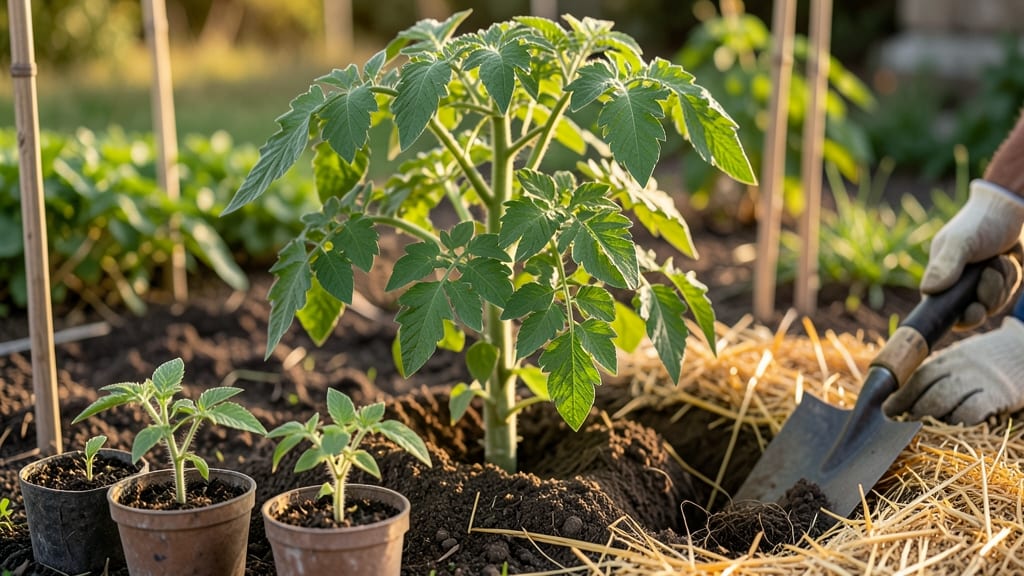
Indiana’s frost-free zones and exact planting dates for tomatoes
Indiana’s USDA Hardiness Zones 5b-6a create a unique challenge for tomato growers—too early, and frost zaps tender seedlings; too late, and your harvest shrinks. The key? Planting after your average last frost date, which typically falls between April 15 and May 1, depending on your specific zone.
Northern Indiana (Zones 5a-5b) has a shorter frost-free season (about 150 frost-free days), while southern Indiana (Zone 6a) enjoys 165+ frost-free days. This means gardeners in the north must start indoors earlier or choose faster-maturing varieties like 'Early Girl' or 'Stupice'.
For direct sowing outdoors, wait until soil temperatures hit at least 60°F (15°C). A soil thermometer is your best tool—air temperature can be misleading, especially in Indiana’s unpredictable spring weather. Cold soil stunts root growth, leaving plants vulnerable to disease.
If you’re transplanting seedlings, aim for 4-6 weeks before your last frost date. This gives them time to establish roots before facing outdoor stresses. For example, in Zone 5b (Northern Indiana), that means starting seeds indoors by mid-March.
Here’s the critical timeline for Indiana’s two main regions:
Pro tip: Use row covers or cold frames to plant 2-3 weeks earlier in cooler zones. This extends your growing season without risking frost damage. Just remove covers once flowers appear to prevent heat buildup.
For direct sowing (planting seeds outdoors), wait until after May 1 in most of Indiana. Seeds need warm soil to germinate—if your garden feels chilly to the touch, wait another week. Varieties like 'Cherry Tomato' or 'Roma' thrive with this method.
Remember: Tomatoes are heat lovers. Planting too late in June can lead to blossom drop during Indiana’s summer heat waves. Balance early starts with your local first frost date (October 15) to ensure a full harvest before cold returns.
Check your local Indiana State Climate Office for real-time updates—some years, frost lingers until mid-May, while others see early warm spells. Flexibility is key!
How to extend your tomato growing season in Indiana
Indiana’s short growing season doesn’t have to limit your tomato harvest. With the right techniques, you can enjoy juicy, vine-ripened tomatoes weeks—or even months—longer than the average gardener.
Whether you’re dealing with early spring frosts or fall temperature drops, these strategies will help you push your harvest timeline to its full potential.
One of my favorite tricks is using row covers or cold frames to create a microclimate that protects tender tomato plants. These simple tools can raise soil temperatures by 5-10°F, giving your plants a head start in spring or an extra boost in fall.
For example, if you plant early varieties like 'Stupice' or 'Mountain Merit' under a row cover, you might harvest 4-6 weeks earlier than usual.
Another game-changer is succession planting. Instead of planting all your tomato seeds at once, stagger your plantings every 2-3 weeks from late April through early June. This ensures a continuous harvest throughout the summer and into early fall.
For instance, if your first planting yields tomatoes in July, your second planting could be ready in August, and your third in September—just in time for Indiana’s first frost in mid-October.
For gardeners in northern Indiana (Zone 5), where frosts can linger into May, consider starting tomatoes indoors under grow lights 6-8 weeks before your last frost date. This gives you hardy, established plants ready to transplant as soon as the soil warms to 60°F (15°C).
I’ve had great success with heat-tolerant varieties like 'Celebrity' or 'Better Boy' in these conditions—they thrive even when daytime temperatures climb above 90°F (32°C).
Don’t overlook the power of mulching to regulate soil temperature. A thick layer of straw or black plastic mulch can keep roots 5-10°F warmer in spring and cooler in summer, reducing stress on your plants.
Plus, mulch helps retain moisture, which is critical during Indiana’s hot, dry spells in July and August. I always apply 3-4 inches of mulch around my tomato plants to keep them thriving.
If you’re determined to extend your harvest into late fall, try low tunnels or hoop houses covered with floating row covers. These structures can delay frost damage by 2-4 weeks, giving you time to harvest tomatoes well into October. Just
Finally, choose determinate tomato varieties if you want a concentrated harvest window. These bushes produce fruit all at once, making them ideal for canning or preserving before the first frost. Varieties like 'Roma' or 'San Marzano' are perfect for this approach, while indeterminate varieties like 'Sungold' or 'Brandywine' will keep producing until frost stops them—sometimes well into November with protection.
🌱