
Plants
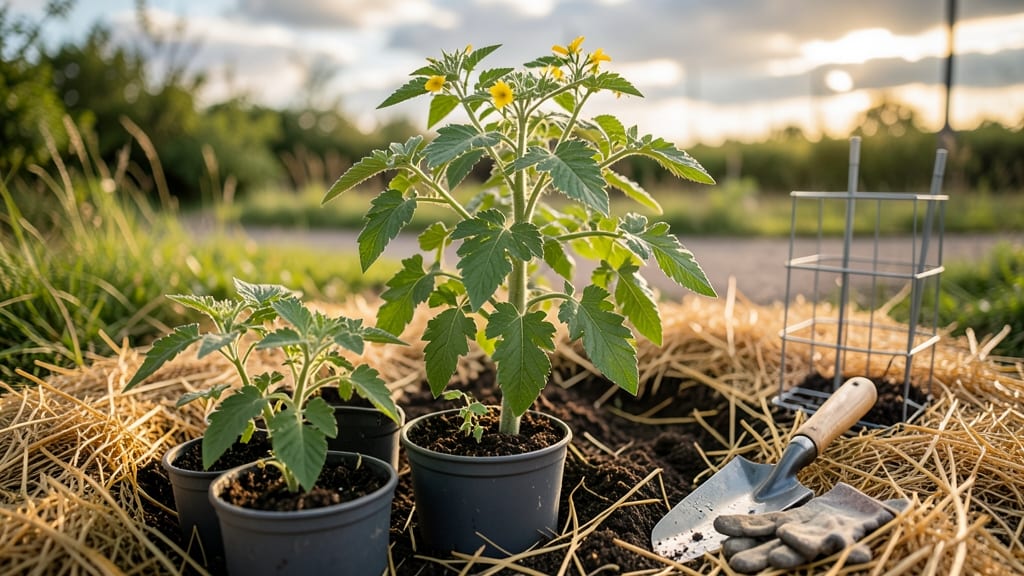
Knowing the best time to plant tomatoes in Tennessee can mean the difference between a thriving 🍅 harvest and wasted effort. Tennessee’s varied climate—from the cool mountain regions to the warmer valleys—makes timing everything, especially when soil temperatures finally cooperate.
Most gardeners in USDA zones 6a-7b wait until after the last frost (typically mid-April to early May), but there’s a secret trigger that guarantees faster growth: soil temperatures above 60°F.
If you plant too early, your tomatoes will languish, but get it right, and you’ll enjoy juicy fruit by summer.
This guide breaks down the exact planting windows for Tennessee’s three main regions—East, Middle, and West—plus pro tips for extending your harvest into fall. Whether you’re a first-timer or a seasoned gardener, you’ll learn how to time it perfectly for bigger, healthier tomatoes.
Ready to skip the guesswork? Let’s dive into the soil science and planting strategies that work in Tennessee’s climate—no matter where you live in the state.
Tennessee’s ideal tomato planting window: soil temperature rules for success
Timing your tomato planting in Tennessee isn’t just about avoiding frost—it’s about soil temperature and microclimates that vary dramatically across the state. Unlike other vegetables, tomatoes thrive when soil reaches a consistent 60°F+, which can happen weeks after the last frost.
In East Tennessee’s cooler highlands, this might be late May, while West Tennessee’s flatter regions often hit that mark by mid-April.
I’ve learned the hard way that planting too early—even with frost protection—can stunt growth. Cold soil delays root development, leaving plants vulnerable to disease. That’s why I always check soil temps with a soil thermometer (just $15 at garden centers) before committing to planting.
This small investment can mean the difference between 6-foot vines and sad, stunted seedlings.
Tennessee’s USDA zones 6a-7b create distinct planting windows. For example, Nashville’s middle region typically plants between April 15-30, while Chattanooga’s eastern highlands wait until May 1-15. Memphis, in the western lowlands, can start as early as March 30 in ideal years.
These variations explain why your neighbor’s tomatoes might thrive while yours struggle—it’s not just luck!
🌱 Visual Guide: Tennessee Tomato Planting Windows by Region
| Region | Last Frost Date | Ideal Planting Window | Soil Temp Trigger | Key Tip |
|---|---|---|---|---|
| East (e.g., Knoxville, Chattanooga) | April 20-30 | May 1-15 | 60°F+ (late May if cold) | Use row covers for early starts |
| Middle (e.g., Nashville, Murfreesboro) | April 10-20 | April 15-May 1 | 60°F+ (early April in warm years) | Black plastic mulch warms soil faster |
| West (e.g., Memphis, Jackson) | March 20-April 10 | March 30-April 15 | 55°F+ (can plant earlier) | Watch for early heat stress |
Here’s my pro tip: If you’re planting in late April but soil temps are still below 60°F, don’t panic. Use black plastic mulch or straw mulch to warm the soil by 5-10°F in just a few days.
I’ve seen gardeners in Nashville add mulch in early April and hit planting-ready temps by mid-April—saving weeks of waiting!
For those in higher elevations (like the Smoky Mountains), consider starting seeds indoors 6-8 weeks before your target outdoor date. This gives seedlings a head start before transplanting into warmer soil. I’ve had success with ‘Mountain Merit’ tomatoes, which tolerate cooler temps better than most varieties.
One mistake I see often? Planting based on air temperature instead of soil temperature. A 70°F day might feel perfect, but if your soil is still 55°F, roots won’t develop properly.
Always check 1 inch below soil level—that’s where tomato roots thrive. Pro move: Bury your soil thermometer 24 hours before planting to get an accurate reading.
Remember, Tennessee’s first frost typically arrives around October 15, but mountain areas can see frost as early as September 20. If you’re growing heirloom varieties with longer maturity dates (like ‘Brandywine’), plan to transplant late July for a fall harvest.
Just be prepared to use row covers or move pots indoors if frost threatens early.
Finally, don’t overlook microclimates in your yard. A south-facing slope warms up faster than a low-lying area, and a brick wall can create a 5°F warmer zone. I’ve planted tomatoes against my south-facing garage wall and harvested 3 weeks earlier than my neighbor’s identical plants in the same yard!
Now that you’ve got the timing down, your next challenge is preparing the soil—and that’s where compost, sunlight, and the right starter plants make all the difference. Let’s tackle that in the next section! 🌿
How to prepare your Tennessee garden for tomato planting: soil, sun, and starter tips
Preparing your garden for tomato planting in Tennessee starts with understanding your soil’s unique challenges. Tennessee’s clay-heavy soil drains poorly and lacks nutrients, but with the right amendments, you can create the perfect growing environment for 60-day harvests.
Start by testing your soil’s pH—tomatoes thrive in 6.2-6.8 range. If your soil is too acidic, add lime; if alkaline, use sulfur.
Next, focus on sunlight exposure. Tomatoes need 6-8 hours of direct sun daily to produce fruit. In Tennessee’s varied climate, south-facing spots get the most sun, while shady areas (like under trees) will yield poor results.
If your yard lacks full sun, consider container gardening near a sunny window or patio.
Now, let’s talk starting methods. Most Tennessee gardeners opt for transplants (available at local nurseries in early spring) because they give you a head start.
If you’re sowing seeds indoors, start them 6-8 weeks before your last frost date. Harden off seedlings for 7-10 days before transplanting to avoid shock.