
Plants
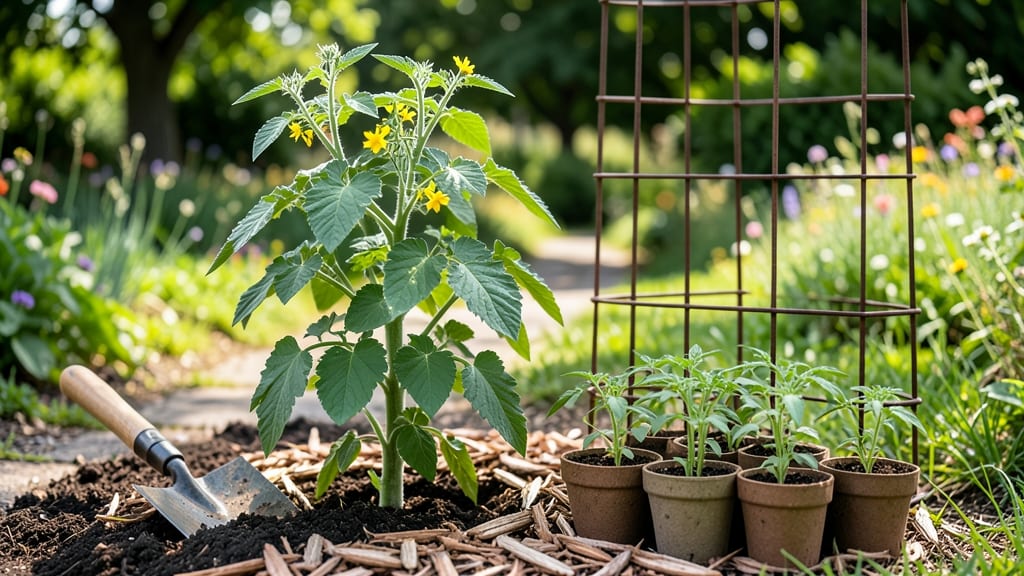
Ohio’s frost-free dates by zone: the exact timeline for planting tomatoes
Ohio’s USDA zones 4-7 create big differences in when to plant tomatoes. In northern Ohio (zones 4-5), like Cleveland or Toledo, the last frost typically hits around May 15, while southern Ohio (zones 6-7), such as Cincinnati or Columbus, sees frost-free conditions by April 15.
These dates are your starting point—but don’t rush! Tomatoes need warm soil (60°F+) and consistent nighttime temps above 50°F to thrive.
Heat-loving varieties like Roma and Beefsteak demand extra care. If you plant too early, cold snaps will stunt growth or kill seedlings. Conversely, waiting too long reduces your harvest window.
Ohio’s 165-day frost-free season means you’ve got one shot to get it right—so let’s break down the perfect planting windows by zone and variety.
🌱 Pro Tip: Use a soil thermometer to confirm warmth before planting. Tomatoes won’t germinate well in cold soil, even if air temps are mild.
For northern Ohio gardeners (zones 4-5), starting seeds indoors by March 1 gives you a head start. Transplant seedlings outdoors only after the last frost date and when nighttime temps stay above 50°F.
In southern Ohio (zones 6-7), you can direct-sow seeds as early as late March, but protect them with row covers if frost threatens.
Choose determinate varieties (like Roma) for shorter seasons—they ripen faster and produce fruit all at once. Indeterminate types (e.g., Beefsteak) need more time but yield continuously. If your season is under 90 days, stick to fast-maturing varieties like Early Girl (50 days) or Stupice (60 days).
🌡️ Warning: Even in zone 7, a late frost can strike. Monitor the National Weather Service or local Cooperative Extension alerts. In my garden, a May 10 frost once killed all my Beefsteak seedlings—a painful lesson!
Soil prep is just as critical as timing. Amend your garden beds with compost and a balanced fertilizer (10-10-10) before planting. Tomatoes thrive in well-draining soil with a pH of 6.0–6.8. If your soil is heavy clay, consider raised beds for better drainage and warmer soil in spring.
Once planted, mulch heavily with straw or grass clippings to retain moisture and keep roots cool. In Ohio’s humid summers, mulch also prevents soil-borne diseases like blight. Water deeply once a week (1–2 inches total) and avoid wetting leaves to reduce fungal risks.
For container growers, choose dwarf varieties like Tiny Tim or Patio Princess. Plant in 5-gallon pots with a tomato cage for support. Containers warm up faster than ground soil, so you can plant 2–3 weeks earlier than in-ground tomatoes.
Finally, mark your calendar for Ohio’s first frost (October 15). Harvest all ripe tomatoes before frost hits, even if they’re not fully colored. Green tomatoes can be ripened indoors with a banana in a paper bag for 3–5 days.
How to extend your Ohio tomato season: cold frames, row covers, and succession planting
Ohio’s short growing season can feel like a race against time for tomato lovers, but with the right strategies, you can push your harvest window by 4-6 weeks earlier or 3-4 weeks later.
The key? Season extenders that protect tender seedlings from late frosts and keep plants producing well into fall. I’ve tested these methods in my own USDA Zone 6a garden, and they’ve added hundreds of pounds of tomatoes to my annual yield.
For early starts, cold frames and row covers are game-changers. These low-tech tools create microclimates that can warm soil by 5-10°F and protect plants from 28°F temperatures. In northern Ohio, this means you can transplant seedlings 2-3 weeks earlier than the traditional last-frost date.
I’ve even seen Roma tomatoes thriving in cold frames by mid-April when outdoor temps still dip into the 30s.
Here’s how to make the most of these techniques without breaking the bank or overcomplicating your garden:
Build or buy a simple cold frame (even a repurposed plastic storage bin with a clear lid works). Fill with straw or leaves for insulation. Plant transplants or seeds in early April when soil temps hit 50°F. Remove the lid during the day once temps rise above 60°F to prevent overheating.
Use lightweight floating row covers (like Agribon) to protect plants from light frosts down to 25°F. Secure edges with bricks or soil to prevent wind damage. This extends your harvest into October for varieties like Celebrity tomatoes, which ripen quickly.
Sow new seeds every 2-3 weeks from May through July. Choose determinate varieties (like Patio tomatoes) for shorter harvest windows. This ensures you always have ripe fruit without overloading your plants at once.
Start seeds indoors 6-8 weeks before your last frost date (typically late February to early March). Use grow lights for 14-16 hours/day. Harden off seedlings for 7-10 days before transplanting outdoors after the last frost.
Apply black plastic mulch or straw mulch to warm soil faster in spring. This can raise soil temps by 5-8°F, helping roots establish quicker. It also suppresses weeds and retains moisture.
Don’t overlook microclimates in your garden. A south-facing wall or black asphalt path can create pockets of warmth where you can plant 2-3 weeks earlier than other areas.
I once grew cherry tomatoes against my garage wall in Zone 6a and harvested fruit by June 1st—a full month ahead of my standard planting schedule!
For organic gardeners, focus on compost-rich soil and mulching to improve heat retention naturally. Avoid synthetic mulches if you’re certified organic, and opt for straw or grass clippings instead. These methods also reduce the need for artificial season extenders, keeping your garden in line with organic principles.
Remember: Monitor weather forecasts and adjust your timing. If a late frost is predicted, have your row covers ready. With these techniques, you can turn Ohio’s short season into a long, bountiful harvest—just like I’ve done in my own garden for the past five years. 🌱