
Trees
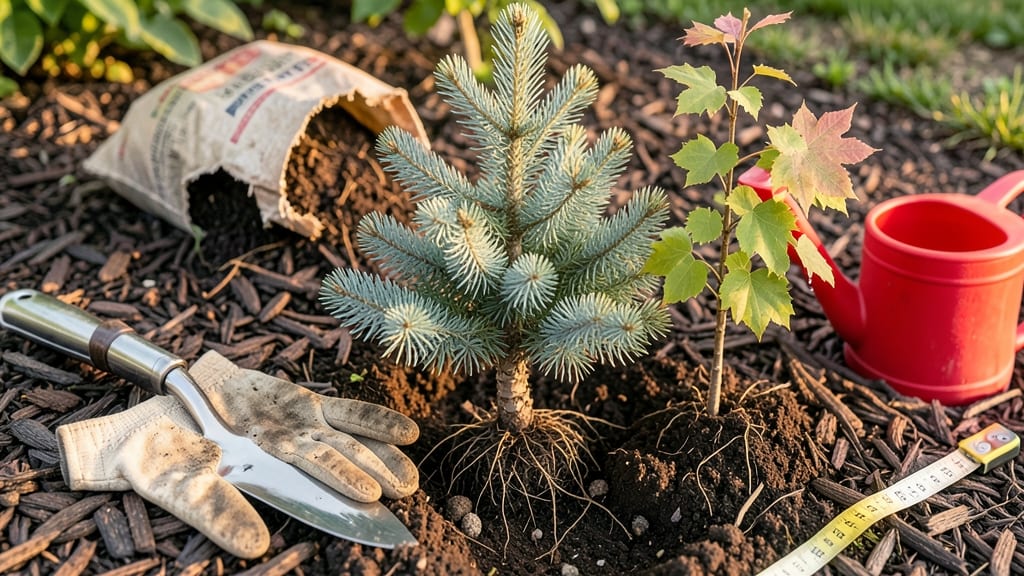
Timing your tree planting in Colorado could mean the difference between a thriving 🌳 and years of disappointment—because the wrong window leaves roots struggling to establish before harsh winters or scorching summers hit.
Most gardeners assume spring is the only option, but Colorado’s 5-7 hardiness zones actually offer two prime planting windows: early spring (March-April) when soil warms enough for root growth, and early fall (September) before the first frost locks in.
The key? Understanding how your specific zone’s microclimate affects dormancy timing and frost-free days.
I’ll break down exactly which months work best for your location—whether you’re on the Front Range or Western Slope—and reveal the root growth secrets that make all the difference. No more guessing whether your tree will survive that first critical year.
Ready to plant with confidence? Let’s dive into the science-backed schedule that’ll give your trees the strongest possible start in Colorado’s challenging climate.
Colorado’s best tree-planting months by hardiness Zone (with root growth secrets)
Colorado’s diverse climate zones (3-10) create unique challenges for tree planting. The ideal window depends on whether you’re in elevated mountainous regions or Front Range valleys, where frost dates shift dramatically.
Most experts agree early spring (March-April) offers the best balance of soil warmth and moisture availability for root establishment.
For container-grown trees, you have more flexibility—planting is possible year-round except during extreme heat (July-August) or deep freezes (December-February). However, bare-root trees demand precise timing to avoid dormancy stress or root desiccation.
Here’s how Colorado’s USDA hardiness zones break down for optimal planting:
🌳 Colorado Tree Planting Calendar by Zone
| Zone | Ideal Planting Window | Soil Temp Threshold | Key Considerations |
|---|---|---|---|
| 3-4 (High Mountains) | Late May - Early June | 50°F+ (10°C+) | Short growing season; prioritize cold-hardy species like Colorado Blue Spruce |
| 5 (Western Slope) | March - April | 45°F+ (7°C+) | Dry climate; deep watering critical for first 2 years |
| 6 (Front Range) | March - May | 40°F+ (4°C+) | Longer season; fall planting possible until October |
| 7 (Southeast Plains) | February - April | 35°F+ (2°C+) | Warmer soils; evergreens need winter protection |
| 8 (San Luis Valley) | February - May | 30°F+ (-1°C+) | Long frost-free period; tropical species may thrive |
Source: Colorado State University Extension, adapted for 2024 planting trends
Evergreens like Ponderosa Pine or Douglas Fir need special attention—their root systems are sensitive to late fall planting when frost heave can damage new growth. In contrast, deciduous trees such as American Elm or Green Ash handle early spring planting beautifully, taking advantage of spring rains for rapid root development.
Pro tip: Use a soil thermometer to verify 50°F+ soil temps before planting—this ensures root growth isn’t stunted by cold ground. In Zone 5-7, aim for March-April when daytime highs consistently reach 55°F+ (13°C+).
For urban gardeners in Denver or Colorado Springs, microclimates can shift planting by 2-4 weeks. Check local CoCoRaHS weather stations for frost date averages—your neighborhood might be Zone 6 but feel like Zone 5 due to elevation variations.
Remember: Fall planting (September-October) works for container-grown trees but requires extra mulch (4-6 inches) to insulate roots before first frost. The key is giving trees 6-8 weeks to establish roots before dormancy sets in.
If you’re planting bare-root trees in Zone 3-4, wait until late May when soil temperatures stabilize above 50°F (10°C). These high-elevation zones have shorter growing seasons, so fast-start fertilizers can give your tree a growth advantage.
🌱
5 Critical factors that determine your tree’s survival (beyond just the calendar)
Colorado’s variable climate means timing alone isn’t enough—your tree’s survival hinges on 5 key factors most gardeners overlook. From soil moisture to elevation shifts, these variables can make or break your planting success, even within the ideal months.
First, soil temperature is non-negotiable. Roots need soil at 40°F+ to establish—colder soils stunt growth, while 60°F+ speeds up root development. Use a soil thermometer to check before planting, especially in high-elevation zones where spring arrives later.
Water availability is another game-changer. Colorado’s drought-prone summers mean newly planted trees need deep, infrequent watering (10-15 gallons weekly) to prevent shallow roots. Urban sites with impermeable soils require extra attention—consider drip irrigation for consistency.
Roots need 40°F+ soil. Use a thermometer to verify—cold soils delay growth.
Deep watering (12" down) encourages strong roots. Shallow watering = weak roots.
Add 1-2 weeks to planting timelines for every 1,000 ft elevation gain.
South-facing slopes warm faster; north-facing areas stay cooler—adjust planting dates accordingly.
Evergreens (like Ponderosa Pine) need fall planting; deciduous (like Maple) thrive in spring.
Don’t ignore elevation effects. A tree planted in Denver (5,280 ft) may thrive in April, but the same species at 10,000 ft in the Rocky Mountains might need to wait until May. Use the 30-day rule: add 1-2 weeks per 1,000 ft elevation gain to your planting timeline.
Microclimates also play a role. A south-facing slope in Colorado Springs warms 2-3 weeks earlier than a north-facing yard in the same neighborhood. Observe your site’s sun exposure and wind patterns—windburn can stress young trees, especially in open prairie areas.
Finally, species selection dictates timing. Evergreens (like Blue Spruce) prefer fall planting to establish roots before winter, while deciduous trees (like American Elm) thrive when planted in early spring as buds swell. Always match your tree to your hardiness zone and local climate patterns.
Pro tip: Mulch heavily (3-4 inches) after planting to retain moisture and regulate soil temperature—critical in Colorado’s dry, temperature-swinging climate. 🌱