
Companion Plants
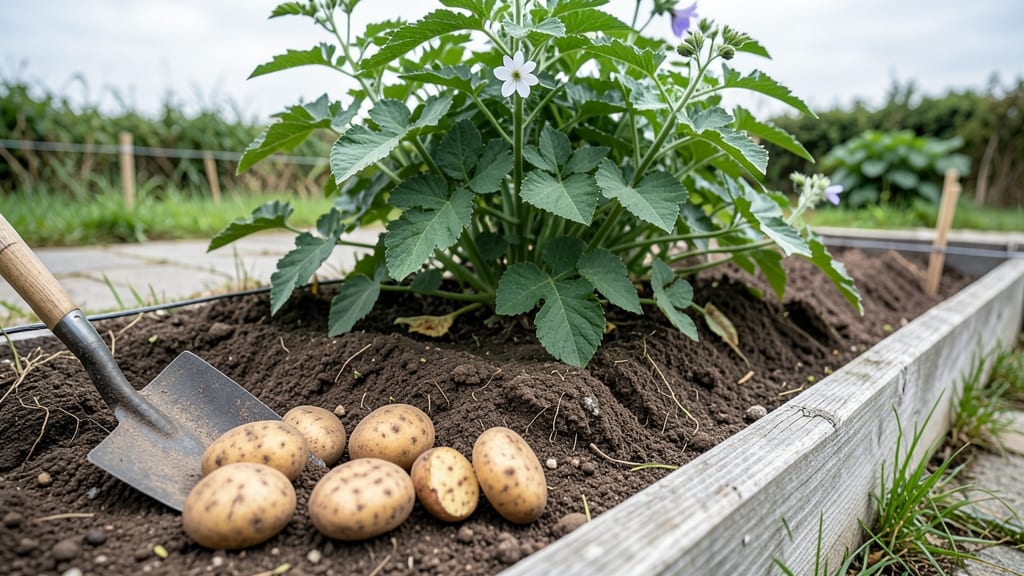
Planting potatoes in Zone 6 at the wrong time can turn your dream harvest into a frost-damaged disappointment—but getting the timing right unlocks a garden full of crisp, flavorful 🥔. The secret lies in understanding your local frost dates and soil temperature thresholds, which vary more than you might expect even within the same zone.
In Zone 6 (6a-6b), where last frosts typically arrive around mid-April, your 2-4 week window before that date is critical for spring plantings. But did you know late summer plantings can also yield a fall harvest? The key is adjusting for your specific microclimate and potato variety's maturity rate.
Whether you're growing early red potatoes or slow-maturing russets, this guide breaks down exactly when to plant for maximum yield. We'll cover soil preparation, spacing techniques, and how to avoid common mistakes that sabotage Zone 6 harvests every year.
Let's dive into the precise planting schedule that will have you digging up potatoes at their peak—just when the foliage turns golden and the tubers are perfectly formed. Your future meals (and dinner guests) will thank you!
Zone 6 potato planting calendar: exact dates for frost-free success
In Zone 6, potatoes thrive when planted at the right time—too early, and frost will damage tender sprouts; too late, and your harvest shrinks.
The optimal window depends on your last frost date (typically mid-April in Zone 6) and the soil temperature, which should reach at least 45°F consistently.
For most of Zone 6, this means planting between late March and early April, but regional microclimates can shift this by 1-2 weeks.
Potatoes also offer a second planting window in late summer (around July 15) for a fall harvest before the first frost in mid-October. This method works best for fast-maturing varieties (like Yukon Gold or Red Pontiac) that can reach maturity in 70-90 days.
However, fall potatoes require careful timing to avoid early frost or disease pressure from prolonged humidity.
Before planting, check your local USDA Zone 6 frost dates—they can vary by 10-14 days even within the same zone. For example, St. Louis, MO (Zone 6a) has an average last frost of April 10, while Syracuse, NY (Zone 6b) sees frost until April 25.
Adjust your schedule accordingly to avoid frost damage to emerging sprouts.
Soil temperature is just as critical as frost dates. Potatoes won’t sprout until the soil reaches 45°F, but ideal growth occurs at 60-70°F. In Zone 6, early spring soils often hover around 40-50°F, so use a soil thermometer to confirm readiness.
If temperatures are too cold, delay planting or use black plastic mulch to warm the soil 2-3°F faster. This trick can shave 1-2 weeks off your planting timeline.
For container gardening in Zone 6, start potatoes 2-3 weeks earlier than in-ground planting. Containers warm up faster in spring, allowing you to plant by mid-March in most areas. Use 5-gallon buckets or larger, filling them with well-draining potting mix mixed with compost. Place containers in a south-facing
Zone 6 potato planting calendar: exact dates for frost-free success
In Zone 6, potatoes thrive when planted after the soil warms to 45°F (7°C)—this typically happens 2-4 weeks before your average last frost date. For most Zone 6 regions, this window falls between mid-March and early April, but exact timing depends on microclimates and variety maturity.
Early varieties like Yukon Gold can handle cooler soils, while russets need warmer conditions to sprout consistently.
Your last frost date is the critical benchmark—planting too early risks frost damage to tender sprouts, while delaying too long shortens the growing season. Most Zone 6 gardeners aim for April 1st as a safe average, but check your local USDA frost maps for precision.
For example, St. Louis (6a) averages last frost on April 15, while Philadelphia (6b) sees it around April 5.
📅 Zone 6 Potato Planting Timeline
| Stage | Action | Soil Temp | Notes |
|---|---|---|---|
| Pre-Plant Prep | Cut seed potatoes (2-3 oz each) | 40°F+ | 2-4 weeks before last frost |
| Planting Window | 4-6" deep, 12" apart | 45°F+ | Mid-March to early April |
| Sprouting | Emerge in 2-3 weeks | 50°F+ | Mulch to retain warmth |
| Harvest Ready | 70-90 days after planting | N/A | Late July to early Sept |
For fall harvests, you can also plant potatoes in late July to early August—this second crop relies on warm soil and a long enough season to mature before the first frost.
Choose early-maturing varieties like Red Pontiac (60 days) for this approach, as they can complete their cycle in 90 days or less. Just ensure your soil stays above 50°F (10°C) for consistent sprouting.
Pro tip: Use a soil thermometer to confirm readiness—potatoes won’t sprout reliably below 45°F (7°C), even if frost risk has passed. In cooler microclimates, opt for black plastic mulch to warm the soil 2-3 weeks earlier than bare ground.
This trick extends your planting window into late February for heat-loving varieties like Russet Burbank.
Remember, Zone 6’s growing season is short—aim to harvest by mid-October to avoid tuber damage from early frosts. If you’re unsure about your local frost dates, err on the side of planting later rather than earlier, as potatoes tolerate cooler soils better than frost.
🌱 For a foolproof schedule, mark your calendar for April 1st as your target planting date, then adjust ±1 week based on your specific last frost date and variety.
With this timing, you’ll maximize your harvest before summer heat sets in—just don’t forget to hill your potatoes as they grow to prevent greening!