
Plants
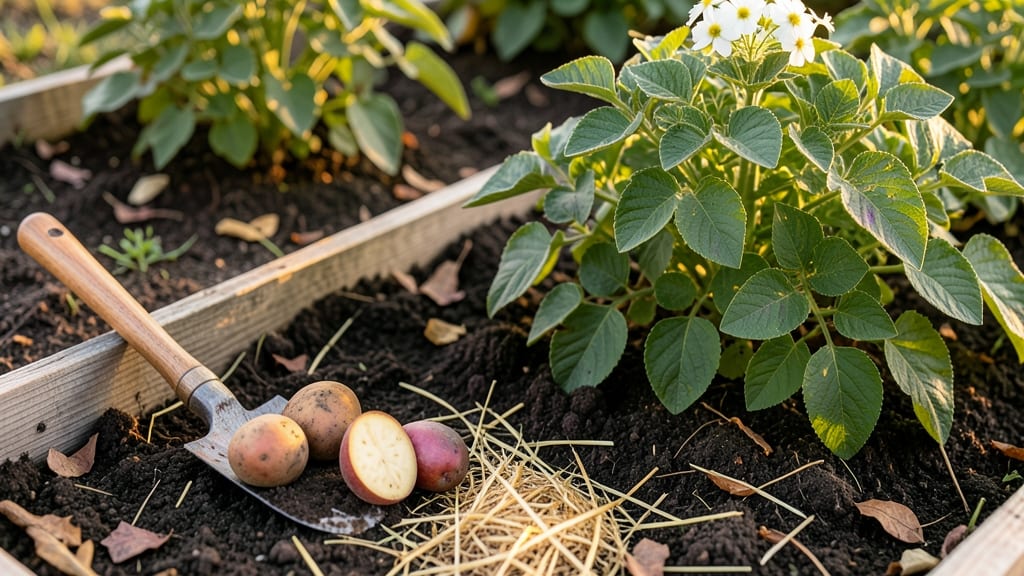
Eastern NC potato planting dates by hardiness Zone (7a vs 7b vs 8a)
Eastern North Carolina spans USDA Hardiness Zones 7a, 7b, and 8a, each with slightly different frost patterns that dictate your potato planting window.
In Zone 7a (e.g., Raleigh), the last spring frost typically occurs around March 15, while Zone 8a (e.g., Wilmington) sees its last frost closer to March 1. Understanding these nuances helps you avoid frost damage to tender sprouts.
For all zones, aim to plant 4-6 weeks before your last frost date. This gives seedlings time to establish roots before soil warms consistently. In Zone 7b (most of Eastern NC), this means planting between February 15 and March 15.
Early varieties like Yukon Gold tolerate cooler soils, while late varieties like Russet need warmer conditions.
Soil temperature is critical: potatoes thrive when soil reaches 45°F. In Zone 8a, soil warms faster, allowing earlier planting (as early as February 1), while Zone 7a may need to wait until March 1 to avoid cold-soil stress.
Use a soil thermometer to confirm readiness—planting too soon in cold soil delays sprouting.
Here’s a quick reference for Eastern NC zones, including ideal planting windows and harvest timelines tailored to your location:
| Zone | Last Frost Date | Ideal Planting Window | Soil Temp Threshold | Harvest Window |
|---|---|---|---|---|
| 7a (Raleigh, Durham) | March 15 | February 28 – March 15 | 45°F+ | June 15 – August 1 (early) / Sept 15 – Oct 15 (late) |
| 7b (Fayetteville, Goldsboro) | March 1 | February 15 – March 15 | 45°F+ | June 1 – July 31 (early) / Aug 15 – Sept 30 (late) |
| 8a (Wilmington, Jacksonville) | February 28 | January 20 – February 28 | 45°F+ | May 15 – July 15 (early) / July 30 – Sept 15 (late) |
If you’re in a microclimate (e.g., near water or in a low-lying area), expect later frosts. Check local weather stations or use the National Weather Service’s frost calendar for your specific town.
For example, Raleigh’s average last frost is March 15, but nearby Chapel Hill may see frost linger until March 22.
For early varieties like Red Pontiac, plant as soon as soil is workable (even in Zone 7a) to harvest by June. Late varieties like Kennebec need warmer soil—wait until March 15 in Zone 7a or March 1 in Zone 7b to avoid slow growth.
Always plant 4 inches deep and space tubers 12 inches apart for optimal airflow and tuber development.
Adjust your planting timeline if you’re using organic methods or container gardening. Organic growers may need to plant 2 weeks earlier to account for slower soil warming, while containers warm faster and can be planted 1-2 weeks ahead of in-ground planting.
Monitor soil moisture—consistent dampness (not soggy) is key for tuber formation.
In Zone 8a, you can even plant a second crop in May for a late-summer harvest. Choose short-season varieties like New Potatoes (60-70 days) to fit the timeline.
Just ensure your soil stays moist and you protect young plants from late spring frosts, which can occur as late as April 15 in some years.
Remember: Potatoes hate heat stress. Planting too late in Zone 7a (after March 30) risks small tubers or scab disease from hot, dry conditions. Balance your timing to align with Eastern NC’s 210 frost-free days, ensuring a robust harvest before the first frost in mid-November.
🌱 For extra insurance, use frost cloth if planting in late February—it can protect seedlings down to 20°F and buy you critical growing time.
How to adjust planting time for early vs. late potato varieties in Eastern NC
Not all potato varieties thrive on the same schedule in Eastern NC. Early varieties like Red LaSoda or Yukon Gold need cooler soil and faster harvest windows, while late varieties such as Russet Burbank or Kennebec tolerate warmer soil and longer growing seasons.
Adjusting your planting time based on variety ensures maximum yield and prevents scab disease or blight from late-season moisture.
For early potatoes, aim to plant 4-6 weeks before your last frost date—typically late February to early March in Zone 7b (Raleigh area) or early March in Zone 8a (Wilmington).
These varieties mature in 60-90 days, so timing them right lets you harvest before summer pests peak. Cold-soil tolerance is key: soil should reach 45°F at planting depth.
Late varieties, however, can handle warmer soil and benefit from a later planting window. Plant these April 15 to May 1, giving them time to mature before the first frost.
Their 90-120 day growth cycle means they’ll thrive in Eastern NC’s longer summer heat, but watch for drought stress—consistent moisture is critical during tuber formation.
| Variety Type | Planting Window | Days to Maturity | Soil Temp at Planting | Best For |
|---|---|---|---|---|
| Early Varieties (Red LaSoda, Yukon Gold) | Late Feb–Early Mar (Zone 7b) Early Mar (Zone 8a) |
60–90 days | 45–50°F | Spring harvest, cooler soil |
| Mid-Season (Kennebec, Katahdin) | Mid-Mar–Early Apr | 90–100 days | 50–55°F | Balanced yield, summer harvest |
| Late Varieties (Russet Burbank, Purple Viking) | Mid-Apr–May 1 | 100–120 days | 55–60°F | Fall harvest, storage potatoes |
Succession planting is your secret weapon for extending the harvest. Plant early varieties every 2 weeks from late February through April to stagger maturity.
For example, a March 1 planting of Yukon Gold (90 days) will harvest in late May, while a April 15 planting of the same variety will yield in late July. This strategy ensures a continuous supply of fresh potatoes and reduces waste.
Microclimates in Eastern NC also play a role. Coastal areas (Zone 8a) near Wilmington can plant 2-3 weeks later than inland Zone 7b areas like Raleigh, thanks to milder winters.
Use row covers or black plastic mulch to warm soil faster in colder microclimates, or plant late varieties in raised beds for better drainage and earlier planting.
Pro tip: Chit your seed potatoes 4-6 weeks before planting to jumpstart growth. Place them in a cool, bright spot (50–60°F) with indirect light—this encourages sprouts 1–2 inches long before soil is workable. Chitted potatoes emerge faster, giving you a 2-week head start on the growing season.
Pair this with well-draining soil and full sun, and you’ll be harvesting bigger, healthier tubers all season long. 🌱