
Fertilization
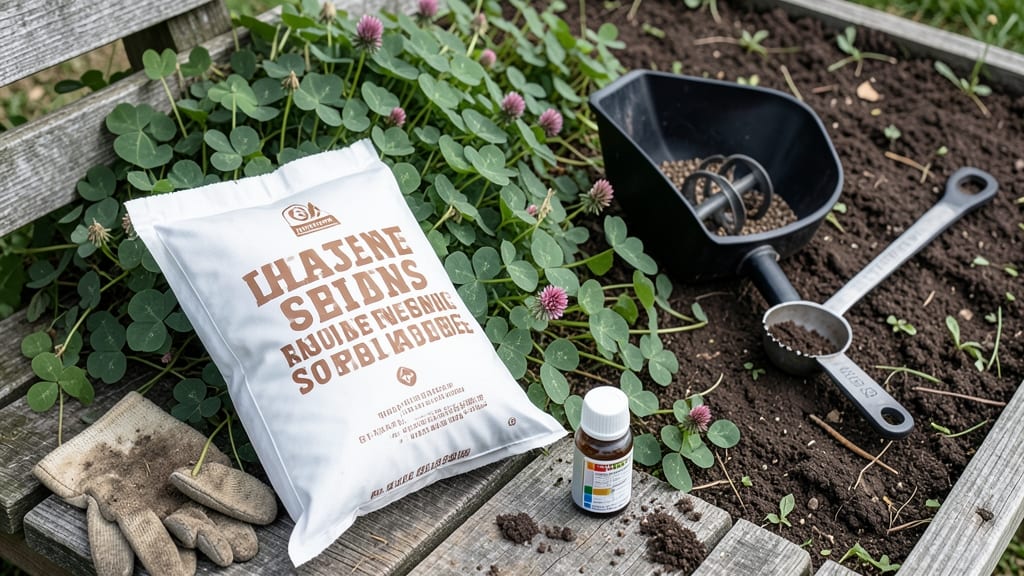
Optimal spring fertilization schedule for clover food plots
Spring is the critical window for jumpstarting your clover food plot—when done right, it sets the stage for lush growth all season. The goal is to provide phosphorus for root development and nitrogen for leafy growth, but timing matters more than anything.
Fertilize too early, and you risk wasting nutrients on cold soil. Too late, and your clover won’t have the boost it needs to outcompete weeds.
Most hunters and gardeners make the mistake of fertilizing as soon as the ground thaws, but soil temperatures below 50°F slow nutrient uptake. Wait until soil reaches 55-60°F—usually mid-to-late April in most USDA Zone 6a regions—to apply your first round of fertilizer.
This ensures your clover gets the nutrients it needs without wasting resources.
Before you even think about fertilizer, test your soil. A simple pH test (aim for 6.0-7.0) and soil analysis will tell you if your plot needs lime to raise pH or sulfur to lower it.
Clover thrives in slightly acidic to neutral soil, and adjusting pH before fertilizing prevents nutrient lockout. If your soil is already in the ideal range, you can skip this step—but don’t assume!
For established clover plots, a balanced 10-20-10 fertilizer (or organic alternatives like composted manure or bone meal) works best in early spring. Apply ½ cup per 10 square feet when the soil is warm, then water deeply to activate the nutrients.
This light feeding encourages root development without burning tender new growth.
Here’s the step-by-step spring fertilization timeline for maximum clover performance:
| Stage | Action | Notes |
|---|---|---|
| Early Spring (March) | Soil Test | Check pH and nutrient levels |
| Mid-April (Soil 55-60°F) | Apply 10-20-10 Fertilizer | ½ cup per 10 sq ft |
| Late April - Early May | Light Top-Dressing | Optional if growth is slow |
| May - June | Monitor Growth | Adjust if yellowing appears |
If you’re planting new clover seeds in spring, focus on phosphorus-heavy fertilizers like bone meal or 0-45-0 to encourage strong root systems. Mix it into the top 2 inches of soil before seeding, then follow up with a nitrogen boost once seedlings emerge.
This two-step approach ensures your clover gets the right nutrients at the right time—critical for outcompeting weeds.
One common mistake is over-fertilizing with nitrogen too early. While nitrogen fuels rapid leaf growth, too much can lead to weak stems and vulnerability to deer browsing. Aim for moderate nitrogen levels (like in a 10-20-10 blend) and supplement with organic matter like compost to improve soil structure.
This balance keeps your clover lush without making it too tender for deer to resist.
After your initial spring feeding, plan for a second application in late May or early June, just as your clover enters its peak growth phase. This timing ensures your plot stays vibrant through summer, providing continuous forage for deer.
Use the same 10-20-10 ratio or switch to a slow-release organic fertilizer to avoid nutrient spikes that can harm the plant.
Remember, the key to a successful clover food plot isn’t just what you fertilize with, but when you fertilize.
By following this spring schedule—soil test first, warm soil second, balanced nutrients third—you’ll set your plot up for a season of lush growth and deer traffic that’ll make every hunt more rewarding. 🌱
Fall fertilization strategy for winter deer browsing
Fall fertilization is your secret weapon for creating a deer magnet during winter months when forage is scarce. Unlike spring, where we focus on nitrogen-rich growth, fall fertilization prioritizes potassium and phosphorus to harden clover plants and boost winter survival.
Timing is everything—apply your late-season fertilizer between mid-August and early September in most climates. This gives clover enough time to absorb nutrients before cooler temperatures slow growth. In warmer southern regions, you can push this to late September.
Use a low-nitrogen, high-potassium blend (like 5-10-15) to encourage root development and cold resistance. Avoid high-nitrogen fertilizers now—they promote tender new growth that won't survive frost.
⚠️ Critical Fall Fertilization Warning
Never fertilize after first frost! New growth from late fertilization will burn in cold and create weak plants that won't survive winter. Always check your local frost date before applying.
For organic options, spread composted manure or bone meal in early fall. These release nutrients slowly, giving clover a steady nutrient supply without risking over-fertilization. Work organic amendments into the top 2-3 inches of soil for best results.
After fertilizing, water thoroughly to help nutrients penetrate the soil. In drought-prone areas, consider mulching with straw to retain moisture and protect young growth. This fall care creates a lush winter food source that deer will return to repeatedly.
Monitor your plot in late October—if you see yellowing leaves or stunted growth, you may have over-fertilized. Adjust next year's timing to earlier in the season for better nutrient uptake before cold weather arrives.