
Trees
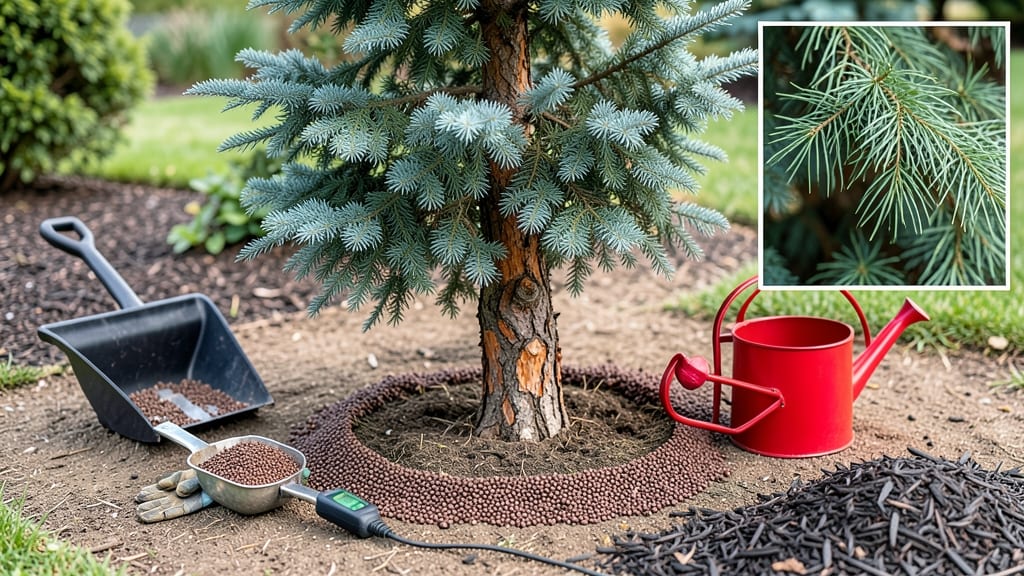
Knowing when to fertilize evergreen trees can make the difference between lush, vibrant foliage and struggling roots struggling to thrive. The right season isn't just about throwing fertilizer on the ground—it's about understanding when your 🌲 actually needs it most to avoid wasting nutrients or stressing the plant.
Most gardeners assume spring is the only time to fertilize, but the truth is more nuanced. In Zone 6a, early spring and fall offer the perfect windows for feeding evergreen trees, aligning with their natural growth cycles.
I'll break down exactly when to apply slow-release versus liquid fertilizers, so you can give your tree the boost it needs without overdoing it.
You might be surprised to learn that fertilizing at the wrong time can actually harm your evergreen's health. Let me show you the science-backed schedule that keeps your trees thriving year-round, from recognizing signs of nutrient deficiency to adjusting for drought or pest stress.
Ready to transform your yard from "meh" to magnificent? Let's dive into the seasonal fertilization plan that'll have your evergreens looking their best with minimal effort—and maximum impact.

Best seasons to fertilize evergreen trees for optimal growth
Timing your evergreen tree fertilization is just as important as choosing the right fertilizer. The root activity and nutrient absorption cycles of evergreens peak during specific seasons, making spring and early fall the ideal windows.
Fertilizing at the wrong time can stress your tree, leading to burned roots or wasted nutrients. Let’s break down the science behind seasonal fertilization for evergreens.
Evergreen trees are evergreen for a reason—they stay active year-round, but their growth rate slows dramatically in winter. During late winter to early spring, roots begin to wake up and prepare for new growth.
This is when a light application of fertilizer gives them the boost they need to thrive. Skipping this step means missing the critical growth window when trees are most receptive to nutrients.
Here’s why spring fertilization works best: As temperatures rise above 50°F (10°C), evergreens ramp up photosynthesis and root growth. Applying fertilizer then ensures nutrients are absorbed efficiently and used for foliage production and root expansion.
In contrast, fertilizing in late summer or fall can trigger new growth that won’t harden off before winter, leaving your tree vulnerable to frost damage.
| Season | Root Activity | Fertilization Strategy | Best Fertilizer Type |
|---|---|---|---|
| Early Spring (March-April) | Roots wake up; slow but steady growth | Light feed (1/4 recommended dose) | Slow-release organic or balanced synthetic (10-10-10) |
| Late Spring to Summer (May-August) | Peak growth; high nutrient demand | Full dose every 6-8 weeks | Balanced synthetic or micronutrient-rich organic |
| Early Fall (September-October) | Roots prepare for dormancy; slow growth | Light feed (optional, if tree shows stress) | Slow-release organic (low nitrogen) |
| Winter (November-February) | Dormant; minimal root activity | None; avoid fertilizing | N/A |
Fertilizing in early fall (September-October) can be beneficial for evergreens in USDA Zones 7 and warmer, where mild winters allow for extended growth. A light application of slow-release fertilizer can help trees store nutrients for spring.
However, in colder climates (Zones 5-6), skip fall fertilization entirely to prevent late-season growth that won’t survive frost.
If you’re in a drought-prone area, adjust your fertilization schedule to avoid stressing the tree. Deep watering before and after fertilizing ensures nutrients reach the roots. For example, if your region experiences summer droughts, split your summer feedings into two lighter applications instead of one heavy dose.
This mimics natural rainfall patterns and prevents fertilizer burn.
Young evergreen trees (under 5 years old) need more frequent but gentler fertilization than mature specimens. Use a half-strength solution every 8-12 weeks during the growing season. Mature trees, on the other hand, thrive on annual or biennial fertilization, depending on soil health.
Always test your soil first—high nutrient levels can mean your tree doesn’t need extra fertilizer at all.
Pro tip: Pair your fertilization schedule with mulching. A 3-inch layer of organic mulch (like pine straw or wood chips) around the base of your evergreen helps retain moisture and regulate soil temperature, which enhances root activity.
Apply mulch after fertilizing and keep it 6 inches away from the trunk to prevent rot.
In container-grown evergreens, fertilization timing shifts slightly due to limited root space. These trees benefit from monthly liquid fertilizer during the growing season (April-September) but at half the recommended strength. Flush the soil with water every 3-4 months to prevent salt buildup from synthetic fertilizers.
Remember, over-fertilization is a common mistake that can harm evergreens. Yellowing needles, stunted growth, or excessive needle drop are red flags that you’ve overdone it.
If you suspect over-fertilization, flush the soil with water and reduce future applications. When in doubt, less is more—evergreens are resilient but sensitive to nutrient imbalances.
Best seasons to fertilize evergreen trees for optimal growth
Timing your evergreen tree fertilization is critical for maximizing nutrient uptake and avoiding stress. These trees grow best when fertilized during their active growth phases, which aligns with spring and early summer in most climates.
Fertilizing at the wrong time can burn roots or trigger late-season growth that won’t harden off before winter.
In USDA Zone 6a (like many northern regions), the ideal window is March through May and again in early September—just before dormancy sets in. This schedule ensures nutrients are available when roots are most active and can absorb them efficiently.
For warmer zones (like Zone 8+), shift fertilization to late winter and early fall.
| Season | Fertilization Goal | Root Activity | Best Fertilizer Type |
|---|---|---|---|
| Early Spring (March-April) | Stimulate new growth | High (root flush) | Slow-release organic (e.g., compost) |
| Late Spring (May-June) | Maintain foliage health | Moderate | Balanced NPK (10-10-10) |
| Early Fall (September) | Strengthen roots for winter | Declining | Low-nitrogen (5-10-10) |
| Winter (November-February) | None (dormant phase) | Minimal | Avoid all fertilization |
For newly planted evergreen trees, wait 6-12 months before fertilizing to let roots establish. Over-fertilizing young trees can damage delicate root systems and lead to nutrient burn. Instead, focus on mulching with compost to gradually enrich the soil.
In drought-prone areas, delay fertilization until after a deep watering to ensure roots can absorb nutrients. Signs of drought stress—like brown needle tips—mean your tree needs water before fertilizer. Always water thoroughly 24 hours before and after applying fertilizer to prevent salt buildup.
If you miss the spring window, don’t panic—early summer fertilization (June) can still benefit evergreens, but use a half-strength solution to avoid shocking the tree. For mature trees (10+ years old), split fertilizer applications into two lighter doses instead of one heavy feeding to prevent root damage.
Pro tip: Test your soil’s pH level before fertilizing. Evergreens prefer slightly acidic soil (pH 5.0-6.5). If your soil is too alkaline, amend it with sulfur or peat moss before applying fertilizer for better absorption.