
Lawn
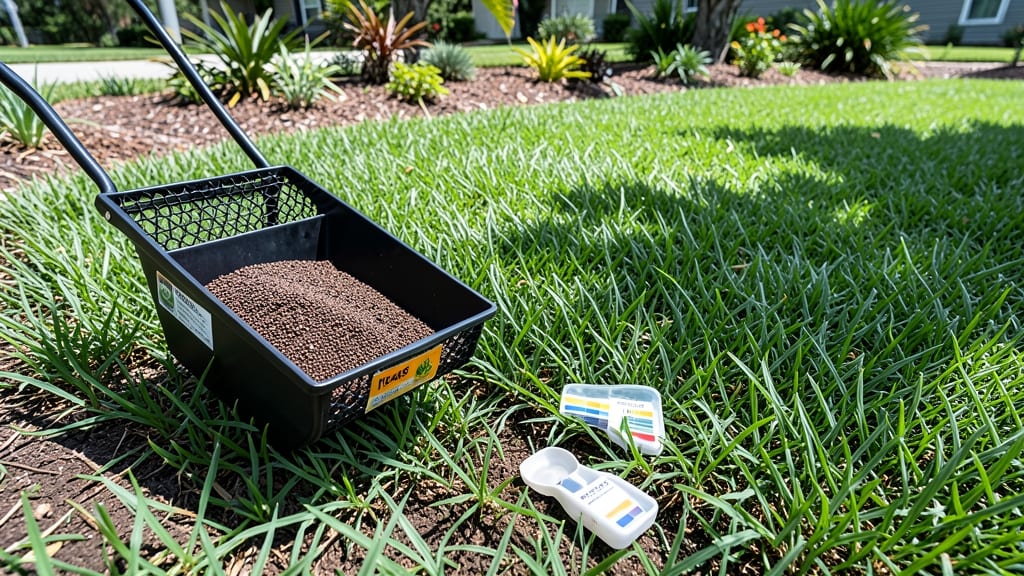
Timing your fertilizer applications for your Central Florida lawn isn’t just about throwing down some granules—it’s the difference between a lush, green carpet and a struggling patchwork of brown spots. With our warm winters and intense summers, your 🌱 lawn grass thrives on precision, not guesswork.
Most homeowners here make the costly mistake of fertilizing at the wrong time, often during Florida’s brutal summer heat or right before heavy rains. That’s money down the drain—and sometimes even lawn damage. The key? A three-season schedule that aligns with your grass’s natural growth cycles, not the calendar.
In this guide, I’ll break down the exact months to fertilize for maximum results, which types of fertilizer work best for St. Augustine and Bahiagrass, and how to avoid overdoing it when humidity makes nutrient uptake tricky. No more second-guessing—just a foolproof plan for a lawn that stays vibrant year-round.
Ready to stop wasting fertilizer and start growing grass that neighbors will envy? Let’s get started with the three critical windows that’ll transform your lawn care routine.

Central Florida fertilizer schedule: month-by-month breakdown for best results
Central Florida’s humid subtropical climate means your lawn’s nutrient needs shift dramatically with the seasons. Unlike northern lawns, you won’t deal with freezing winters, but you will face intense summer heat and heavy rainfall that can wash away fertilizers if timed poorly.
The key? A 3-season feeding schedule—spring, summer (light), and fall—with winter as a low-maintenance period.
Most Central Florida lawns thrive with St. Augustine, Bahiagrass, or Centipede grass, each requiring slightly different care. For example, St. Augustine loves nitrogen-rich feeds in spring, while Bahiagrass tolerates lighter summer touch-ups.
Below, I’ve broken down the exact months to fertilize, including NPK ratios and application tips tailored to Florida’s USDA Zones 8A-10A.
⚠️ CRITICAL: Never fertilize during Florida’s rainy season (June-September). Heavy rains leach nutrients before your grass can absorb them, wasting fertilizer and polluting local waterways. Always check the 7-day forecast before applying.
| Month | Grass Type | Fertilizer Type | NPK Ratio | Application Notes |
|---|---|---|---|---|
| January | All Types | Slow-Release | 16-4-8 | Light feed post-winter dormancy |
| February | St. Augustine, Centipede | High-Nitrogen | 30-0-4 | Peak growth phase; water in after |
| March | Bahiagrass | Balanced | 10-10-10 | Prep for summer drought stress |
| April-May | All Types | Pre-Emergent | N/A | Apply before crabgrass season |
| June-Sept | All Types | None | — | Avoid fertilizing during rainy season |
| October | St. Augustine | Balanced | 10-10-10 | Strengthen roots before winter |
| November | Bahiagrass | Slow-Release | 16-4-8 | Final feed of the year |
For St. Augustine grass, focus on high-nitrogen feeds in spring (February-March) to encourage rapid growth before summer’s heat sets in. This grass type is particularly thirsty for nutrients and will show yellowing or thinning if skipped.
Apply 0.5-1 lb of 16-4-8 per 1,000 sqft and water deeply afterward to activate nutrient uptake.
Bahiagrass, on the other hand, is more drought-tolerant
Signs your Central Florida lawn needs fertilizer (and when to act)
Your Central Florida lawn sends clear signals when it’s hungry for nutrients—don’t ignore these visual and tactile cues. Yellowing patches, slow recovery after mowing, or thin grass are all red flags that your soil may be depleted of essential nutrients like nitrogen, phosphorus, or potassium.
Florida’s clay-heavy soil and high humidity can also lock up nutrients, making them unavailable to your grass even if they’re present.
Start by walking your lawn with a critical eye. Look for uneven color—healthy grass should be a deep green, not pale or yellow. Check for thin or bare spots, which often appear where foot traffic is heaviest or where weeds have taken over.
These areas typically need immediate attention, especially if they’re expanding. Slow growth after mowing is another warning sign—if your grass isn’t bouncing back within 7-10 days, it’s time to feed it.
- Grass turns pale green (nitrogen deficiency)
- Bare spots expand (weak root system)
- Weeds invade (thin, stressed grass)
- Slow recovery after mowing (lack of nutrients)
- Soil test shows low nutrients (pH <6.0 or high clay)
- Fall or early spring (ideal growth windows)
- After overseeding (new grass needs boost)
- Before heavy rain (nutrients wash away)
- Grass is dormant (winter or extreme heat)
- Soil is waterlogged (nutrients leach away)
- Weeds are sprouting (pre-emergent conflict)
- Fungal disease present (e.g., brown patch)
- Drought conditions (stresses grass further)
- After herbicide use (wait 4-6 weeks)
For St. Augustine grass, watch for purple or red tinges—a classic sign of phosphorus deficiency. Bahiagrass, on the other hand, often shows stress as grayish-green patches or a rough texture.
If you notice these signs, act quickly: spring (March-April) and fall (September-October) are the best times to fertilize, as your lawn is actively growing and can absorb nutrients efficiently.
Central Florida’s humidity and frequent rains can wash away fertilizers quickly, so apply them in the early morning when dew is present but before heavy downpours.
Use a slow-release fertilizer (like 16-4-8) in spring to feed your lawn gradually, and switch to a balanced formula (10-10-10) in fall to strengthen roots before winter. Always water deeply after applying to help nutrients penetrate the soil.
Pro tip: If your lawn shows signs of deficiency but it’s not the ideal fertilizing season, consider a liquid iron supplement for quick greening. However, address the root cause—like compacted soil or poor drainage—with aeration or topdressing to improve long-term health. A healthy lawn starts with healthy soil!
🌱