
Lawn
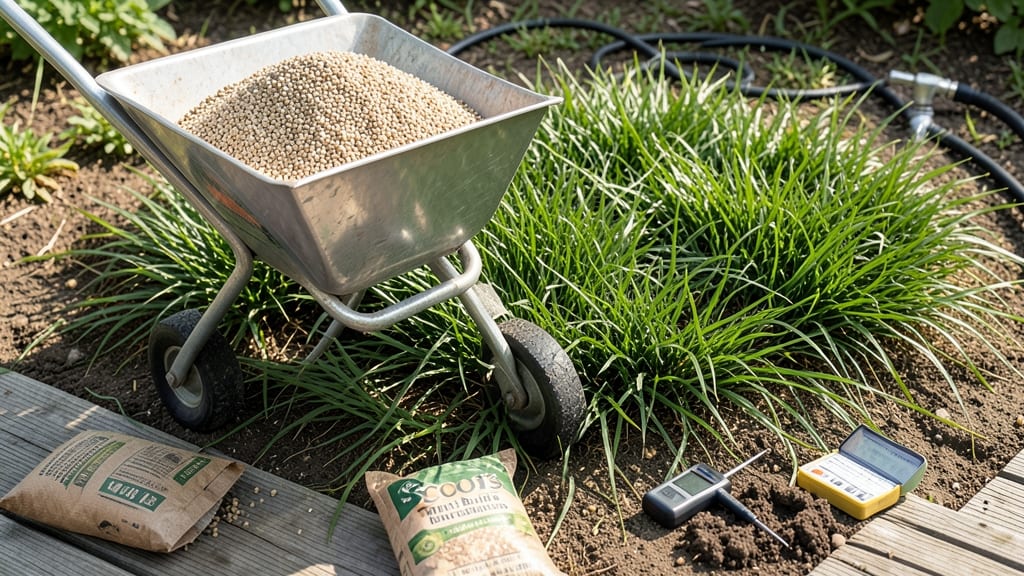
If your South Texas lawn looks like a sun-scorched desert patch more often than a vibrant green carpet, you're not alone—but knowing when to fertilize your lawn in South Texas can turn that dry, crispy mess into a thriving oasis.
The brutal heat and unpredictable weather make fertilizing at the wrong time a surefire way to turn your investment into a crispy disaster. But here's the good news: timing is everything, and with the right schedule, you can outsmart the climate and keep your 🌱 thriving year-round.
Most lawns in 9a-10a zones struggle when homeowners blindly follow general fertilization charts. South Texas demands a different approach—one that accounts for its extreme heat, sudden monsoon rains, and drought-prone summers.
The key lies in understanding when your grass is actively growing (and when it's in survival mode) so you're feeding it at the perfect moments.
I've tested what works in this climate, and the results speak for themselves: spring and fall are your golden windows, while summer becomes a "skip zone" unless you want to stress your lawn further.
But it's not just about when—it's about how you fertilize, what you use, and how you water afterward to lock in those nutrients without burning your grass.
Let me show you exactly how to create a fertilization plan that works with South Texas's quirks, not against them. We'll cover the best months to feed your lawn, which fertilizers actually perform in this heat, and how to adjust for those unexpected summer storms.
Your lush, heat-resistant lawn starts with getting this one thing right.

Best fertilization timeline for South Texas lawns: month-by-month heat-resistant guide
Fertilizing your lawn in South Texas isn't just about timing—it's about surviving the 100°F+ heat and unpredictable monsoon rains. The key is feeding your grass when it needs it most while avoiding burning during peak summer stress.
Unlike northern climates, South Texas lawns thrive on a spring and fall schedule, with summer as a recovery period.
Most homeowners make the mistake of fertilizing in July or August, which can shock grass roots already struggling to retain moisture. Instead, focus on early spring and late fall when temperatures are milder. This approach ensures your Bermuda, St. Augustine, or Zoysia stays resilient through the brutal summer months.
| Season | Month | Fertilizer Action | Notes |
|---|---|---|---|
| Spring | February | Light Feed | Prep for growth after winter dormancy |
| March | Full Feed | High nitrogen for new growth (16-4-8) | |
| April | Light Feed | Support early summer resilience | |
| Summer | May | Skip | Avoid heat stress; water deeply instead |
| June | Skip | Grass goes dormant; no fertilization | |
| July | Skip | Peak heat; risk of fertilizer burn | |
| August | Skip | Monsoon prep; focus on soil moisture | |
| Fall | September | Full Feed | Strengthen roots before winter (30-0-4) |
| October | Light Feed | Prep for cooler temps and growth | |
| November | Optional Light | Only if grass is still active | |
| Winter | December | Skip | Grass slows; no fertilization needed |
| January | Skip | Prep for spring growth |
Your first fertilization should happen in late February or early March, right after your grass breaks winter dormancy. Use a high-nitrogen fertilizer (16-4-8) to encourage rapid green-up, but avoid applying it if frost is still possible in Zone 9a.
For St. Augustine, which is more sensitive, opt for a slow-release formula to prevent overgrowth.
By mid-April, shift to a light feed to prepare your lawn for summer. This isn't the time for heavy fertilization—your grass is already battling heat stress and drought conditions. Instead, focus on deep watering (1 inch per week) and mowing high (3-4 inches) to shade roots.
The fall fertilization window is your best chance to build a heat-resistant lawn for next year. Start with a full feed in September using a 30-0-4 formula to strengthen roots.
This timing helps grass recover from summer dormancy and prepares it for winter rains. A second light feed in October ensures steady growth before cooler weather sets in.
One common mistake is fertilizing in late summer, which can lead to fungal diseases like brown patch. The high humidity and 90°F+ nights create the perfect storm for lawn problems. Instead, use this time to aerate compacted soil and top-dress with compost to improve nutrient retention.
If you live in Zone 10a, where winters are almost frost-free, you can extend your fall fertilization into November. However, avoid fertilizing in December or January unless your grass shows signs of active growth.
Most South Texas lawns enter a dormant state during these months, and feeding them can waste nutrients.
Pro tip: Always water your lawn before and after fertilizing. This helps nutrients penetrate the soil and reduces the risk of burn.
In South Texas, where evaporation rates are high, split watering into two sessions: once in the early morning and once in the evening (but avoid wetting grass overnight to prevent disease).
For Bermuda grass, which is drought-tolerant, you can push the fall fertilization slightly later—into early November.
This grass type thrives on hot weather and can handle a second feeding in December if it remains green. Zoysia, on the other hand, prefers cooler fall temperatures and does best with a single September feed.
Remember, the goal isn't just a green lawn—it's a healthy, heat-resistant lawn. By following this month-by-month schedule, you'll avoid the pitfalls of over-fertilizing and ensure your grass stays lush year-round, even in South Texas's harshest conditions. 🌱
How to choose the right fertilizer for South Texas grass types (Bermuda, St. augustine, Zoysia)
South Texas lawns face unique challenges—intense heat, heavy rainfall, and soil compaction demand the right fertilizer to keep grass thriving. Not all fertilizers work equally for Bermuda, St. Augustine, or Zoysia grasses.
The wrong type can burn your lawn or fail to provide the nitrogen boost needed for recovery after drought or foot traffic. Let’s break down the best options for each grass type and how to apply them without stressing your lawn.
First, consider your grass type’s heat tolerance and growth habits. Bermuda grass, for example, thrives in heat but needs high nitrogen to recover from summer dormancy. Meanwhile, St. Augustine grows slower and prefers organic matter to improve soil structure.
Zoysia falls somewhere in between, benefiting from slow-release fertilizers to avoid overgrowth in summer. Choosing the wrong formula can lead to brown patches or weak roots.
Fertilizer Comparison for South Texas Grasses
| Grass Type | Best Fertilizer Type | NPK Ratio | Application Window | Key Benefit |
|---|---|---|---|---|
| Bermuda | Slow-release synthetic or high-nitrogen organic | 30-0-4 or 16-4-8 | Spring (March-April) and Fall (September-October) | Recovers quickly from drought and heat stress |
| St. Augustine | Organic (compost, manure) or low-nitrogen slow-release | 10-0-10 or 8-2-4 | Spring (February-March) and Fall (August-September) | Improves soil health and reduces fungal risk |
| Zoysia | Balanced slow-release or organic with micronutrients | 12-4-8 or 10-0-10 | Spring (April) and Fall (October-November) | Promotes dense growth and drought resistance |
For Bermuda grass, prioritize synthetic fertilizers with a high nitrogen content (like 30-0-4) in early spring to jumpstart growth after winter. This grass type goes dormant in extreme heat, so avoid fertilizing in summer months—it can stress the roots further.
Instead, focus on light watering and mowing high to retain moisture. In fall, switch to a slow-release formula to strengthen roots before cooler weather sets in.
If you have St. Augustine grass, organic fertilizers like composted manure or fish emulsion are your best bet. This grass type is more susceptible to fungal diseases in South Texas’s humidity, so organic matter improves soil drainage and reduces risk.
Apply a low-nitrogen fertilizer (like 10-0-10) in early spring and again in late summer to avoid overstimulating growth during peak heat. Always water deeply after fertilizing to help nutrients penetrate the soil.
Zoysia grass is the most drought-tolerant of the three, making it ideal for South Texas’s unpredictable rains. Use a balanced fertilizer (such as 12-4-8) in spring to encourage thick growth, then switch to a low-nitrogen option in fall. Zoysia benefits from micronutrients like iron and zinc, which can be added via chelated fertilizers. Avoid fertilizing in July and August—this grass goes semi-dormant in extreme heat, and feeding it can lead to brown patches.
No matter your grass type, always test your soil before fertilizing. South Texas soils are often clay-heavy or sandy, which affects nutrient absorption. A simple soil test kit (available at garden centers) can tell you if your lawn needs more phosphorus, potassium, or organic matter.
Adjust your fertilizer blend accordingly to avoid wasting money on unnecessary nutrients. And remember: less is more—over-fertilizing can burn grass and harm local waterways.
Pro tip: Pair your fertilizer with aeration every 6-12 months to help nutrients reach the roots. Use a core aerator in spring or fall, then apply fertilizer within 24 hours for maximum absorption. This combo is a game-changer for compacted South Texas soil and ensures your lawn stays lush year-round.