
Trees
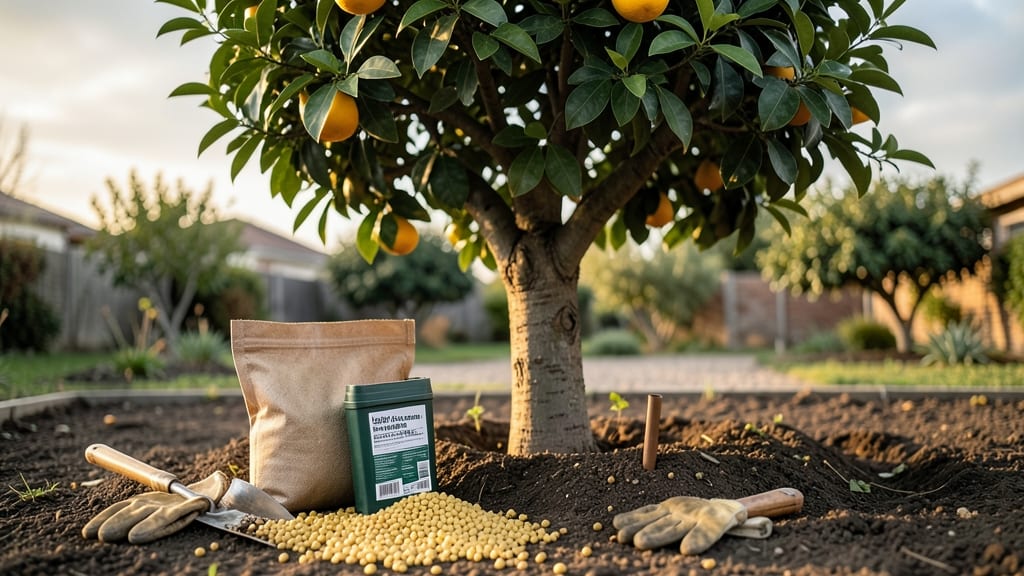
If you’ve ever wondered why your 🍊 orange tree in California isn’t bearing as many fruits as it should, the answer might be simpler than you think: timing your fertilizer just right makes all the difference.
California’s unique microclimates—from coastal fog to inland desert heat—mean what works in one region might fail in another. But with the right schedule, you can give your tree the nutrients it needs without overdoing it, especially during those critical growing seasons.
I’ll break down the best months to fertilize based on your specific zone, whether you’re in 9b-10a or the warmer 10b-11 areas, so you can avoid common mistakes like fertilizing in winter when your tree is dormant.
Ready to unlock bigger harvests and healthier trees? Let’s dive into the science-backed routine that’ll keep your 🍊 orange tree thriving year-round.

Best months to fertilize orange trees in California’s climate Zones
California’s diverse climate zones—from coastal foggy regions to hot inland valleys—mean your orange tree fertilization schedule should adapt to local conditions. The key is timing: fertilize when your tree is actively growing, not during dormancy or extreme heat.
In Coastal California (USDA Zones 9b–10a), like San Diego or Santa Barbara, mild winters and warm summers create a longer growing season, while Inland Valleys (Zones 9a–10b), such as the Central Valley, have hotter summers and cooler winters. Desert regions (Zones 10b–11), like the Coachella Valley, require even more precise timing due to intense heat.
For all zones, the optimal fertilization windows align with your tree’s natural growth cycles: late winter (February–March) for pre-bloom energy and early fall (October–November) to support root recovery. Avoid fertilizing during summer heatwaves (June–August) or winter dormancy (December–January), as this can stress roots or cause nutrient burn.
California’s Mediterranean climate means rainfall patterns also play a role—fertilize after winter rains to help nutrients absorb efficiently.
Here’s how to adjust your schedule based on your region:
Coastal Zones (9b–10a): Fertilize in February–March and October–November. The cooler, wetter winters here allow for earlier spring feeding, while fall fertilization helps trees prepare for milder winters. Skip summer fertilization entirely to avoid salt buildup from evaporation.
Inland Valleys (9a–10b): Stick to March–April and September–October. The hotter summers here mean you should wait until late summer to fertilize, as the soil stays dry and roots are stressed. A light feed in September can help trees recover before winter.
Desert Zones (10b–11): Fertilize only in January–February and November. The extreme heat and low humidity mean you must avoid fertilizing during peak summer (May–September). Instead, focus on deep watering to help roots access nutrients naturally.
Pro tip: Use a slow-release citrus fertilizer (like 6-6-6 or 8-3-9 NPK) for coastal and inland zones, while desert growers should opt for organic options like compost or fish emulsion to reduce salt stress. Always water deeply 24 hours before and after fertilizing to help nutrients penetrate the soil.
For young orange trees (under 3 years), reduce fertilizer amounts by half and focus on building strong roots. Mature trees (3+ years) can handle full doses, but always monitor for signs of over-fertilization, like yellowing leaves or stunted growth.
If you notice these, flush the soil with water and adjust your schedule.
California’s microclimates mean your neighbor’s fertilization timeline might not work for you. Pay attention to your tree’s leaf color, fruit set, and soil moisture—these are better indicators than calendar months alone.
For example, if your tree blooms early in January, a light feed in late December could boost flower production.
🌱
Soil-test-based fertilization schedule for healthy orange trees
Before grabbing that citrus fertilizer, test your soil pH and nutrient levels—orange trees thrive in slightly acidic soil (pH 6.0–7.0). A simple home soil test kit (or lab analysis) reveals what your trees truly need, saving you from over- or under-fertilizing.
Most California soils lack zinc, iron, or magnesium, which citrus trees crave for vibrant fruit.
For sandy soils (common in coastal areas), nutrients wash away faster, so use slow-release fertilizers like osmocote or compost. In clay soils (inland valleys), organic matter improves drainage—mix in well-aged compost before fertilizing. Always water deeply after application to activate nutrients and prevent root burn.
🌱 Key Takeaways for Fertilizing Orange Trees
6.0–7.0
Use lime to raise pH; sulfur to lower it.
6-6-6 or 8-3-9
Citrus-specific blends with micronutrients.
Zinc, Iron, Magnesium
Common deficiencies in CA soils.
Early Morning
Avoid evening to prevent fungal growth.
If your soil test shows low nitrogen (N), apply a balanced fertilizer in February–March to kickstart spring growth.
For potassium (K) deficiencies, use a banana peel tea or wood ash—both are potassium-rich and safe for citrus. Iron chlorosis (yellow leaves with green veins) is common in alkaline soils; treat with chelated iron or Epsom salt (1 tbsp per gallon of water, sprayed on leaves).
Young trees (1–3 years old) need lighter feeding—use half the recommended dose to avoid shocking their roots. Mature trees (5+ years) can handle 1–2 lbs of granular fertilizer per year, split into two applications: spring and fall.
Always water before and after to protect roots from salt buildup.
Pro tip: Mulch with compost after fertilizing to lock in moisture and slowly release nutrients. Avoid synthetic fertilizers high in salt or urea, which can damage roots. Instead, opt for organic options like fish emulsion, alfalfa meal, or citrus-specific compost for steady, safe nutrition.
Monitor your trees for leaf color changes—dark green leaves mean adequate nitrogen, while yellowing suggests iron or magnesium deficiency. Adjust your fertilizer blend based on these clues, and always re-test soil every 2–3 years to track progress.
With the right schedule, your California orange tree will reward you with sweet, juicy fruit year after year! 🍊