
How To
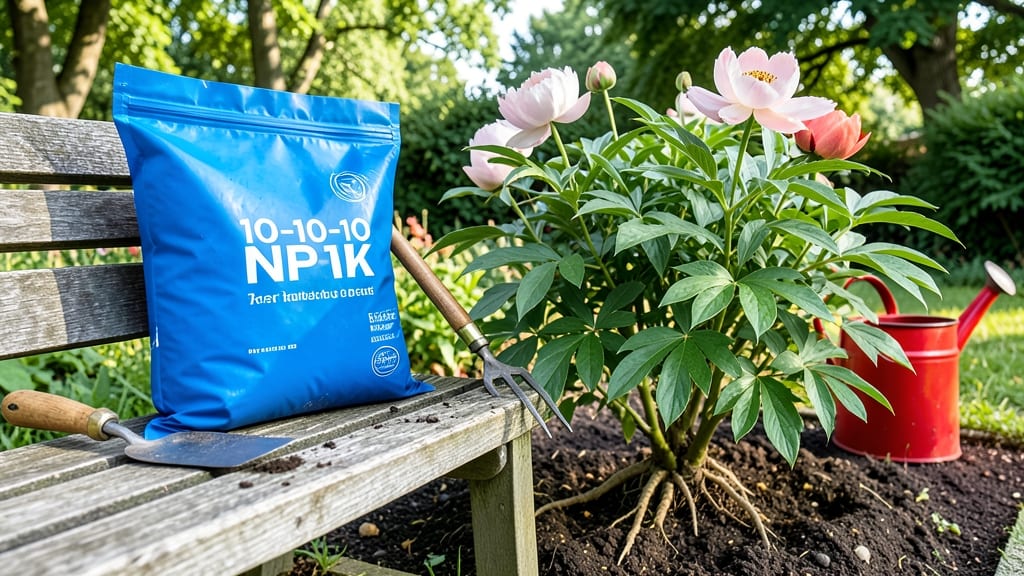
The ideal spring fertilization timeline for peonies (with exact weeks)
Timing is everything when fertilizing peonies—especially in spring. The goal is to fuel new growth without overstimulating the plant before it blooms. I’ve found that early spring (right after dormancy) and late spring (after flowering) are the two critical windows.
But here’s the catch: herbaceous peonies (the most common type) and tree peonies have slightly different needs.
For most gardeners in USDA Zones 4-8, the best time to fertilize is when soil temperatures hit 50°F (10°C)—usually 4-6 weeks before blooming. This aligns with early April in cooler climates and mid-March in warmer regions.
The key is to avoid fertilizing too late, as this can delay blooming or even prevent flowers from forming altogether.
I recommend using a balanced fertilizer with an NPK ratio of 5-10-10 (low nitrogen to prevent leafy growth at the expense of blooms). Organic options like composted manure or fish emulsion work well too. The goal is to provide nutrients without shocking the plant—especially after winter dormancy.
🌸
| Stage | Action | Notes |
|---|---|---|
| Early Spring (March-April) | Apply light fertilizer (1 tbsp/plant) | Soil temp: 50°F+; shoots 2-4" tall |
| Late Spring (May-June) | Apply second feeding after blooms fade | Encourages next year’s buds |
| Summer-Fall (July-Oct) | Skip fertilization | Plant builds winter reserves |
| Winter (Nov-Feb) | Dormant—no feeding | Focus on mulching |
In warmer climates (Zones 8-10), peonies may wake up earlier—sometimes as early as February. Here, I adjust by fertilizing 2-3 weeks later to match local bloom cycles.
The rule of thumb? Wait until you see 2-4 inch shoots emerging from the soil. This ensures the plant isn’t stressed by cold soil.
For tree peonies (woody-stemmed varieties), the timing shifts slightly. They benefit from a light feeding in early spring and a second application in late summer to support next year’s growth.
The key difference? Tree peonies are less sensitive to late fertilizing, but I still avoid feeding after mid-August to prevent tender new growth before frost.
Pro tip: If your peonies are newly planted (less than 1 year old), hold off on fertilizing entirely. Their roots are still establishing, and extra nutrients can burn them. Instead, focus on well-draining soil and regular watering.
💧
One mistake I see often is fertilizing too late in spring, which can lead to leafy growth but no flowers. Peonies form their next year’s buds in the current growing season, so timing matters.
I always mark my calendar for 6 weeks after blooming to apply the second feeding—this gives the plant time to recover before winter.
Finally, consider your soil type. Sandy soils drain quickly and may need more frequent light feedings, while clay soils hold nutrients longer. A simple soil test (available at garden centers) can reveal if your peonies need extra phosphorus or potassium for vibrant blooms.
The ideal spring fertilization timeline for peonies (with exact weeks)
Timing is everything when fertilizing peonies—apply too early, and you’ll fuel leafy growth over blooms. Too late, and your peonies miss the nutrient boost they need for larger flowers.
The sweet spot? Early spring, right after shoots emerge but before buds swell. This aligns with root activity waking up from dormancy.
For most gardeners in USDA Zones 3-8, this means March to early April. If you’re in a warmer climate (Zones 9-10), wait until late February when soil temps hit 50°F. Use a balanced fertilizer (5-10-10) or organic options like composted manure to avoid burning delicate roots.
| Stage | Action | Notes |
|---|---|---|
| Early Spring (March-April) | Apply light fertilizer (1 tbsp/plant) | After shoots emerge, before buds swell |
| Late Spring (May) | Second light feeding (post-bloom) | Supports root recovery after flowering |
| Summer-Fall | No fertilizer | Peonies rest; excess nutrients harm roots |
Herbaceous peonies (the most common type) benefit from a second feeding in late May, about 4-6 weeks after blooming. This helps rebuild root reserves for next year’s flowers. Tree peonies, however, prefer one feeding in early spring only—they’re less forgiving with extra nutrients.
Pro tip: Water deeply before and after fertilizing to help nutrients penetrate the soil. Avoid fertilizing if rain is forecast within 24 hours, as it can wash away essential nutrients before your peonies can absorb them.
Overlooking this timing can lead to smaller blooms or even no flowers at all. The key is matching fertilization with your peony’s natural growth cycle—not forcing extra growth when the plant is dormant or stressed.
For organic gardeners, try a compost tea or fish emulsion in early spring. Synthetic fertilizers work too, but opt for slow-release granules to avoid spikes in nutrient levels that can scorch roots.