
Trees
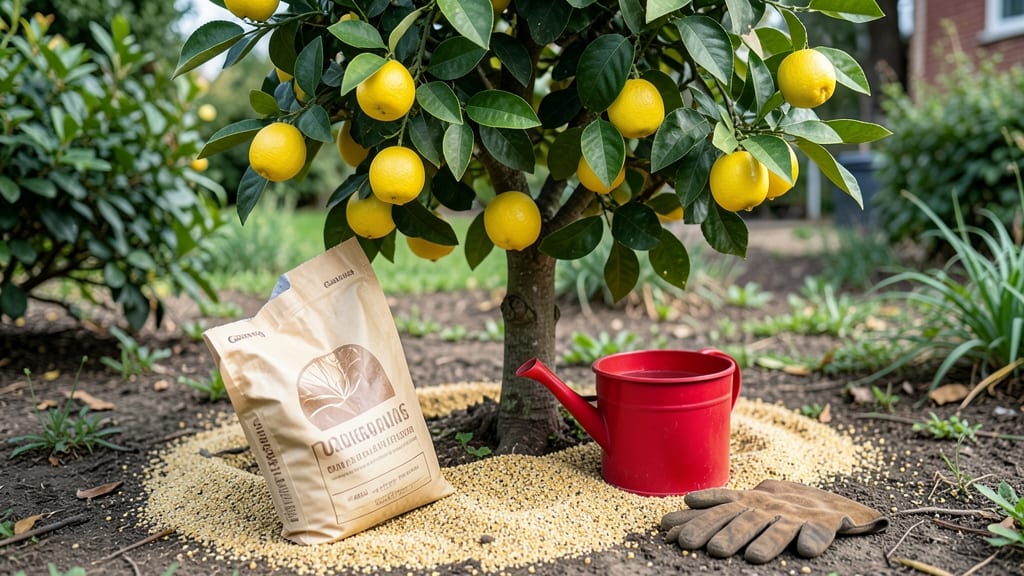
If you've ever wondered when should I fertilize my citrus trees for that perfect harvest of juicy oranges and zesty lemons, you're not alone.
The timing can make all the difference between a modest yield and a tree bursting with fruit—especially for your 🍊 citrus trees thriving in General (USDA Zones 9-11 preferred).
Most gardeners assume feeding their trees is a year-round task, but citrus trees actually have specific windows where they thrive best. Spring and fall are the golden periods for fertilization, aligning with their natural growth cycles.
Skipping these seasons might leave your tree lacking the nutrients it needs to produce flavorful fruit.
In this guide, I’ll break down the exact schedule for fertilizing your citrus trees, including how to spot signs of nutrient deficiency and adjust your approach.
Whether you're dealing with a young sapling or a mature fruit-bearing tree, these tips will help you keep your citrus trees healthy and productive all year.
Ready to unlock the secrets to a bountiful harvest? Let’s dive into the science-backed timing that will transform your citrus trees from struggling to spectacular.

Best fertilization schedule for citrus trees: spring vs. fall timing explained
Citrus trees thrive when fertilized at the right times—spring and fall are the golden windows for feeding these nutrient-hungry plants. The key is aligning fertilization with root activity and fruit development.
In spring, when soil warms and buds break, your tree needs a nutrient boost to fuel new growth. In fall, a lighter feeding helps store energy for winter dormancy.
If you live in USDA Zones 9-11, you can fertilize year-round with adjustments for extreme heat. But in cooler zones (8 or below), container-grown citrus trees need a modified schedule to avoid stress.
The goal? Balanced nutrition without overloading roots, especially in summer’s scorching heat or winter’s dormancy.
⚠️ NON-NEGOTIABLE: Always test your soil first! A simple pH test (6.0-7.0 ideal) and nutrient analysis tell you exactly what your tree lacks—whether it’s nitrogen for leaves, phosphorus for roots, or potassium for fruit. Skip this step, and you risk burning roots or wasting fertilizer.
| Season | Best Time to Fertilize | Purpose | Fertilizer Type | Notes |
|---|---|---|---|---|
| Early Spring (Feb-Mar) | First feeding after dormancy | Stimulate new growth | Balanced (6-6-6) or citrus-specific | Apply when soil is 60°F+ |
| Late Spring (Apr-May) | Second feeding (6-8 weeks later) | Support flowering/fruit set | Higher phosphorus (e.g., 10-10-10) | Avoid nitrogen-heavy fertilizers |
| Summer (Jun-Aug) | Light feeding (every 8-12 weeks) | Maintain fruit development | Slow-release or liquid feed | Reduce in extreme heat |
| Fall (Sep-Oct) | Final feeding before dormancy | Store nutrients for winter | Low-nitrogen (e.g., 5-10-10) | Stop by November |
| Winter (Nov-Feb) | None (dormant period) | Allow roots to rest | N/A | Risk of root burn if fed |
For container-grown citrus trees, timing shifts slightly. Since pots heat up faster, fertilize every 6-8 weeks in spring/fall but reduce by half in summer. Containers also dry out quicker, so always water deeply before and after fertilizing to prevent salt buildup.
In tropical climates (Zones 10-11), you can fertilize year-round with monthly applications of a low-dose liquid fertilizer. But in temperate zones (8-9), stick to the spring-fall schedule and move containers indoors if temperatures drop below 40°F.
Pro tip: Micronutrients matter! Citrus trees are prone to deficiencies like iron (chlorosis) or zinc (little leaf). Use a citrus-specific fertilizer or add Epsom salt (magnesium) if leaves yellow between veins. Always follow label rates—over-fertilizing is a common mistake that leads to leaf burn.
Watch your tree’s growth cues. If new leaves are small and pale, it’s time to feed. But if leaves curl or brown after fertilizing, you’ve overdone it. Flush the soil with water and wait 3 months before feeding again. Patience and observation are your best tools!
🌱
Best fertilization schedule for citrus trees: spring vs. fall timing explained
Fertilizing your citrus trees at the right time is like giving them a supercharge for fruit production. The best times to fertilize are early spring and late fall, when your tree is either waking up from dormancy or preparing for it.
This timing aligns with your tree’s natural growth cycles, ensuring nutrients are used efficiently for root development and fruit set.
In spring (February-March), citrus trees need a nutrient boost to support new growth and flower formation. A balanced fertilizer (6-6-6 or 8-3-9 NPK) applied at this time encourages strong branches and abundant blooms.
Meanwhile, fall fertilization (October-November) helps store nutrients for winter dormancy, setting the stage for next year’s harvest.
Citrus Tree Fertilization Timeline
| Season | Best Time to Fertilize | Key Growth Focus |
|---|---|---|
| Spring (Feb-Mar) | Early spring (after last frost) | New growth, flower buds, root expansion |
| Summer (Jun-Jul) | Light feeding (optional) | Support fruit development (avoid heavy feeding) |
| Fall (Oct-Nov) | Late fall (6 weeks before frost) | Nutrient storage for dormancy |
| Winter (Dec-Feb) | None (dormant period) | Avoid fertilizing; risk of root burn |
For tropical climates (USDA Zones 9-11), you can fertilize every 2-3 months year-round, but reduce feeding during monsoon seasons to prevent nutrient runoff. In cooler zones (USDA Zones 7-8), container-grown citrus trees benefit from monthly feeding in summer to compensate for limited root space.
Always apply fertilizer in the early morning when soil is moist but not soggy.
Water deeply after application to help nutrients penetrate the root zone. Over-fertilizing can lead to salt buildup in the soil, which damages roots and causes leaf burn—so follow the 1/4 cup per year of tree age rule for young trees.
Pro tip: Test your soil’s pH (6.0-7.0 is ideal for citrus) before fertilizing. If your soil is acidic, a lime application every few years can improve nutrient uptake. Pair your fertilizer with organic matter like compost to enhance soil structure and microbial activity.
By sticking to this spring-fall fertilization schedule, you’ll give your citrus trees the consistent nutrition they need to thrive—and reward yourself with years of abundant harvests! 🍋🌱