
Trees
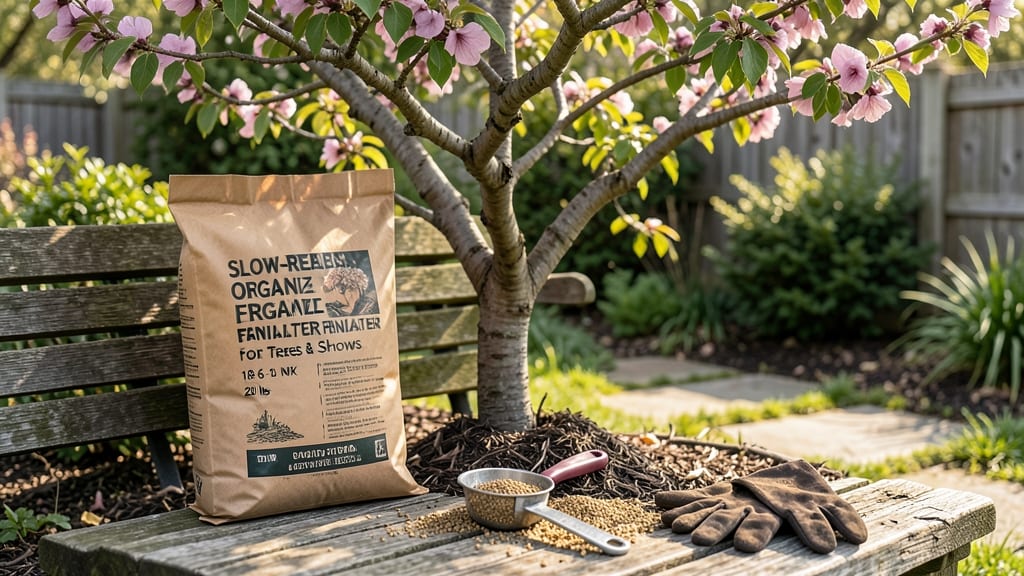
Timing your redbud tree’s fertilizer isn’t just about feeding it—it’s about unlocking its best blooms and lushest growth without risking damage. That vibrant pink spring display you love? It starts with the right nutrients at the right time, and getting it wrong can leave your 🌳 looking tired or stressed.
Most gardeners make one critical mistake: fertilizing at the wrong season. I’ve seen redbud trees struggle when overfed in summer or missed entirely in spring. The key is a simple two-step approach—feed lightly in early spring before new growth appears, then give it a break until fall.
This timing aligns perfectly with your tree’s natural cycle, ensuring it thrives without stress.
But here’s where it gets tricky: regional climates change the game. In cooler zones like 6a, you might extend feeding into late fall, while warmer areas should avoid anything past September.
I’ll break down exactly when to fertilize, what to use, and how to spot signs your tree is getting too much (or too little).
Ready to give your redbud the care it deserves? Let’s dive into the best schedule, organic options, and pro tips to keep your tree happy year after year—so you can enjoy those showstopping blooms for decades.

Best fertilization schedule for redbud trees by season
Timing is everything when it comes to fertilizing your redbud tree (Cercis canadensis). Fertilizing at the wrong time can stress the tree, reduce blooms, or even invite pests.
The key is to align fertilization with the tree’s natural growth cycles—early spring for new growth and fall for root strengthening, while avoiding summer applications entirely. Let’s break down the science-backed schedule to maximize blooms and foliage.
Redbud trees are deciduous and enter dormancy in winter, making late winter to early spring the ideal window for their first feeding.
This timing ensures nutrients are available as the tree breaks dormancy and begins producing new leaves and flowers. Never fertilize during summer heat or winter dormancy, as this can shock the tree or prevent proper hardening off for cold weather.
For young redbud trees (under 3 years old), focus on building a strong root system.
Use a light application of balanced fertilizer (10-10-10) in early spring, followed by a second application in late summer if growth remains vigorous. Mature trees (3+ years) benefit from one spring feeding and a light fall application to prepare for winter, but avoid heavy feeding.
Here’s a month-by-month breakdown of the best fertilization schedule for your redbud tree, tailored to its growth stages and climate zones like USDA Zone 6a:
In Mediterranean climates with mild winters, you can extend the fertilization window slightly into late fall, but always stop at least 6 weeks before frost. For container-grown redbuds, reduce fertilizer amounts by 50% due to limited root space and increased nutrient leaching.
If your redbud tree is planted in clay soil, opt for a slow-release fertilizer to prevent nutrient runoff.
Spread the granules evenly around the drip line (the edge of the tree’s canopy) and water deeply to activate them. Never apply fertilizer directly to the trunk, as this can burn the bark.
For organic gardeners, compost or worm castings work well as a spring top-dressing. Mix a 2-inch layer of compost into the topsoil around the tree’s base in early spring. This mimics natural nutrient cycles and improves soil structure over time.
Monitor your tree’s response after fertilizing. Healthy growth includes vibrant purple-pink flowers in spring and lush green foliage throughout the season. If you notice yellowing leaves or stunted growth, adjust your fertilization schedule or switch to a low-phosphorus fertilizer.
🌳
Best fertilization schedule for redbud trees by season
Timing is everything when it comes to fertilizing your redbud tree. Applying nutrients at the wrong time can stress the tree or even reduce those iconic spring blooms you love. The key is to fertilize when the tree is actively growing but avoid late-season applications that prevent winter hardening.
For optimal growth and flowering, focus on two main windows: early spring (just as buds swell) and early fall (after blooms fade). These periods align with the tree’s natural growth cycles, ensuring nutrients are used efficiently rather than wasted.
Here’s a breakdown of the best fertilization schedule by season, tailored to your redbud tree’s needs:
If you’re in a warmer climate (Zones 7-9), you can extend fertilization into early fall (October) to support late-season growth. However, always avoid fertilizing within 6 weeks of frost to prevent new growth from being damaged by cold.
For young redbud trees (under 3 years old), use half the recommended amount to avoid over-fertilization. Overdoing it can lead to leaf burn or excessive shoot growth at the expense of root development.
Pro tip: Pair fertilization with a 2-inch layer of mulch to retain moisture and regulate soil temperature—just keep mulch 3 inches away from the trunk to prevent rot.