
How To
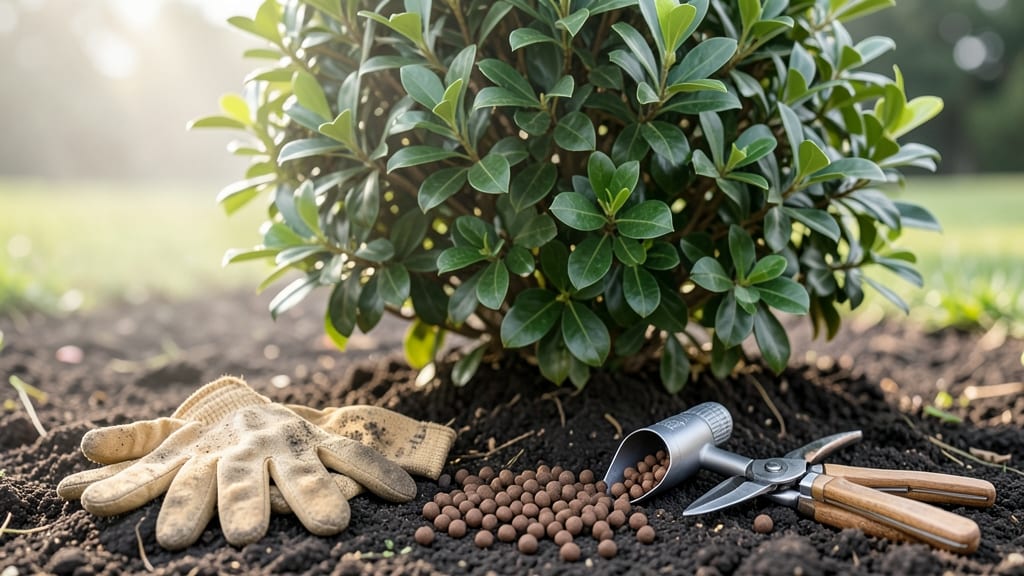
If your Skip Laurel 🌿 looks tired or isn’t growing like you’d hoped, the answer might be simpler than you think—timing your fertilizer application just right.
Late winter is the perfect window to give your shrubs the boost they need before spring kicks in, but getting it wrong can leave your plants struggling instead of thriving.
You don’t need a green thumb to nail this—just a few key cues from nature, like soil temperature and bud formation. I’ll walk you through exactly when to fertilize, what to look for, and how to avoid common mistakes that could harm your Skip Laurel’s health.
Whether you’re in USDA Zone 6 or a slightly warmer region, these tips will help you set your plants up for success.
Think of fertilization as a wake-up call for your shrubs, signaling them to break dormancy and grow strong. The right timing means faster, healthier foliage and fewer headaches down the line.
Let’s dive into the simple steps to make sure your Skip Laurel 🌿 gets the nutrients it craves—without overdoing it.
From choosing the best fertilizer to applying it correctly, I’ll cover everything you need to know to turn your Skip Laurel into a lush, vibrant centerpiece. Ready to give your garden the edge it deserves? Let’s get started.

Best late winter timing for fertilizing Skip Laurels before spring growth
Timing your Skip Laurel fertilization in late winter is the key to unlocking vibrant spring growth. Most gardeners see the best results when they fertilize 4-6 weeks before new growth begins—typically between mid-February and early March in USDA Zones 6-9.
This window aligns with when soil temperatures rise above 50°F (10°C), signaling it's safe to wake up your dormant shrubs.
Your Skip Laurels are ready for fertilization when you notice buds swelling or new shoots emerging from the base. If you're unsure, check the soil temperature with a soil thermometer—if it's consistently above 50°F (10°C) for a week, it's time to feed.
In colder regions like Zone 5 or earlier, wait until late March to avoid shocking tender roots with premature warmth.
Regional differences matter! Gardeners in Southern California or Florida can fertilize as early as January, while those in New England or the Midwest should hold off until late March or early April.
The goal is to fertilize just before active growth, not during dormancy or peak summer heat.
Pro tip: Test your soil pH before fertilizing. Skip Laurels thrive in slightly acidic soil (pH 5.5-6.5). If your soil is too alkaline, adjust with sulfur or peat moss before applying fertilizer to prevent nutrient lockout.
🌱 Skip Laurel Fertilization Timeline
| Season | Action | Soil Temp | Signs |
|---|---|---|---|
| Late Winter | Apply balanced fertilizer | 50°F+ (10°C+) | Swollen buds, new shoots |
| Early Spring | Light feed (optional) | 55°F+ (13°C+) | Rapid leaf growth |
| Summer | No fertilization | 70°F+ (21°C+) | Mature foliage, no new growth |
| Fall/Winter | Dormant period | Below 50°F (10°C) | Dropped leaves, no buds |
If you miss the late winter window, don't panic! You can apply a light fertilizer in early spring (around April) as a second chance. However, avoid fertilizing after June, as new growth will be tender and vulnerable to heat stress or frost damage later in the season.
For newly planted Skip Laurels (less than 1 year old), hold off on fertilization until they've established roots—usually 6-12 months after planting. Over-fertilizing young plants can burn delicate roots and stunt growth. Instead, focus on watering deeply and mulching to encourage root development.
Watch for visual cues like yellowing leaves or sparse foliage, which may signal your Skip Laurels need nutrients. However, brown leaf edges often indicate over-fertilization or drought stress, not a need for more food. Always adjust based on your plant's specific needs, not just the calendar.
Remember: Less is more with Skip Laurels. A light application of fertilizer in late winter will give your shrubs the energy boost they need for healthy spring growth without overwhelming their system. Think of it as a gentle wake-up call for your plants!
Best late winter timing for fertilizing Skip Laurels before spring growth
Timing your Skip Laurel fertilization in late winter is crucial for jumpstarting spring growth. The ideal window is 4-6 weeks after dormancy, typically between mid-February and early March in most USDA Zones 7-9.
This timing aligns with when soil temperatures begin to rise, signaling your shrubs to wake up from winter slumber.
For gardeners in cooler climates (Zones 5-6), wait until late March or early April—after the last frost date—to fertilize. The key is to avoid fertilizing too early, as cold soil can lock up nutrients and harm your plants.
Always check for bud swell on your laurels; this is your plant’s way of saying, "I’m ready to grow!"
Here’s how to confirm your Skip Laurels are ready for fertilization: Gently scratch the soil near the base of the plant. If it’s dry but not frozen and the ground feels slightly crumbly, it’s time.
Also, look for new growth buds—these indicate your plant is breaking dormancy and ready to absorb nutrients.
| Stage | Action | Soil Temp |
|---|---|---|
| Dormant (Winter) | No fertilization | Below 50°F |
| Bud Swell (Late Winter) | Apply balanced fertilizer (12-6-6) | 50-55°F |
| Active Growth (Spring) | Reapply every 6-8 weeks | Above 60°F |
Regional adjustments matter! In Southern climates (Zones 8-9), fertilize as early as February when soil warms. In Northern zones (5-6), delay until after April 15 to avoid frost damage. Always water your Skip Laurels deeply after fertilizing to help nutrients reach the roots.
Pro tip: If your laurels show pale green leaves or stunted growth in early spring, they’re signaling nutrient hunger. This is your cue to fertilize immediately—just don’t overdo it! A light application (½ cup of 12-6-6 per mature shrub) is enough to kickstart growth without burning roots.
Remember, consistency is key. Fertilizing at the same time each year trains your Skip Laurels to grow vigorously. Mark your calendar for late February to early March and watch your hedge transform into a lush, healthy barrier by summer! 🌿