
Plants
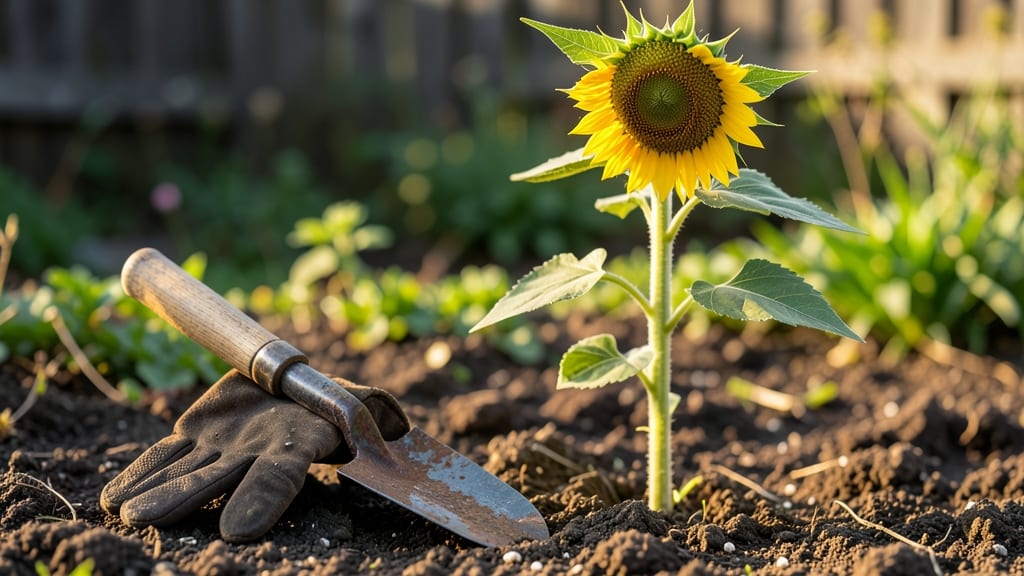
Timing your sunflower seeds planting in Southern California could mean the difference between a thriving 🌻 garden and struggling seedlings. With 365 frost-free days in zones 9b-11, you might think you have all year—but heat spikes, drought, and microclimates demand precision.
Most gardeners in SoCal plant sunflowers between February and April for spring blooms, but August-September is your second chance for fall displays. The key? Waiting until soil hits 55°F—too early, and seeds rot; too late, and summer’s brutal heat zaps their energy.
Here’s what you’ll discover: the exact planting windows for coastal vs. inland areas, heat-resistant varieties that won’t wilt, and how to prep soil for drought-tolerant growth. Skip the guesswork and get your sunflowers off to a fast, healthy start.
Whether you’re growing towering 12-foot giants or compact 3-foot dwarfs, these tips ensure your sunflowers beat the heat and bloom on schedule. Let’s turn your SoCal garden into a sunflower paradise.
Best months to plant sunflower seeds in Southern California by climate zone
Southern California’s diverse microclimates—from coastal fog to inland deserts—mean one planting schedule doesn’t fit all. Coastal areas like Santa Barbara thrive with early spring plantings, while inland deserts like Palm Springs can handle late summer sowings.
The key is soil temperature, not calendar months. Aim for 55°F (13°C) minimum to trigger germination.
Most of SoCal (USDA zones 9b-11) enjoys year-round growing potential, but summer heat can stress seedlings. My strategy? Plant in two windows: early spring (February-April) for classic blooms and late summer (August-September) for fall displays.
Let’s break it down by region to avoid common mistakes like overwatering in coastal humidity or underwatering in desert heat.
🌱 COASTAL REGIONS (e.g., LA, San Diego, Santa Barbara) Soil warms slower here due to ocean breezes. Start seeds indoors in January or direct-sow in February-March when soil hits 55°F. Expect blooms by May-June. Avoid planting after April 15—summer fog can stunt growth.
🏜️ INLAND VALLEYS (e.g., San Fernando Valley, Riverside) Warmer microclimates allow earlier and later plantings. Sow outdoors January-April or August-September for fall flowers. Soil heats up faster, so water deeply 2x/week during dry spells. These zones often see 120+ days of bloom time if planted correctly.
🌵 DESERT REGIONS (e.g., Palm Springs, Joshua Tree) Extreme heat demands shade-cloth protection for seedlings. Plant September-October or February-March to avoid 100°F+ soil. Use mulch to retain moisture—sunflowers here grow 30% slower without it. Expect harvests by May or October.
| Region | Best Planting Months | Soil Temp Threshold | Bloom Window | Key Challenge |
|---|---|---|---|---|
| Coastal (LA, San Diego) | February-March | 55°F (13°C) | May-June | Fog stunting |
| Inland Valleys (Riverside, SFV) | Jan-Apr, Aug-Sep | 50°F (10°C) | May, Sept-Oct | Water stress |
| Desert (Palm Springs) | Sep-Oct, Feb-Mar | 60°F (16°C) | May, Oct | Heat shock |
For container gardening, start seeds 4-6 weeks before last frost (though SoCal rarely has frost). Use 5-gallon pots minimum—dwarf varieties like ‘Teddy Bear’ need 12” depth, while giants like ‘Russian Giant’ require 24”+.
Elevate containers to improve drainage in coastal areas where root rot risks rise.
Microclimates matter more than elevation in SoCal. A north-facing yard in Pasadena may need late March plantings, while a south-facing slope in Temecula can handle January sowings. Always observe your space for 2-3 weeks before planting—note where morning sun lingers or afternoon shade appears.
My top regional tip: Inland areas can double-crop sunflowers. Plant February for spring blooms, then August for fall harvests. Just space seeds 6” apart for dwarf varieties or 18”+ for giants to avoid competition. Coastal gardeners should skip fall plantings—cool nights slow growth.
Sunflowers in SoCal don’t need winter dormancy, but they do slow growth in December-January. Use this time to prep soil with compost—aim for pH 6.0-7.0. Add sand to clay-heavy soil (common in inland areas) to improve drainage. 🌻
Heat-resistant sunflower varieties that thrive in Southern California’s summer
Southern California’s scorching summers can turn delicate sunflowers into crispy snacks if you’re not careful. But with the right heat-resistant varieties, you can enjoy vibrant blooms from spring through fall.
I’ve tested these top 5 sunflower varieties in my own garden, and they consistently deliver stunning results even when temperatures soar above 90°F (32°C).
For container gardening, I recommend dwarf varieties like ‘Teddy Bear’—they stay compact (2-4 ft tall) and thrive in pots, making them perfect for patios or balconies. These little powerhouses also resist powdery mildew, a common fungal issue in SoCal’s humid coastal areas.
If you’re aiming for cut flowers, ‘Moulin Rouge’ is my go-to with its deep red petals and 8-foot stalks.
🌱 Pro Tip: Always check seed packets for days to maturity—SoCal’s long growing season means you can often squeeze in two harvests per year by planting in both spring and late summer. Varieties like ‘Autumn Beauty’ offer a color-changing display (yellow to rust) and mature in just 60 days, perfect for extended blooms.
Here’s my curated list of the best sunflower varieties for Southern California’s climate, including their germination rates, maturity timelines, and where to source them locally:
Height: 2-4 ft | Maturity: 50-55 days | Color: Bright yellow | Best for: Containers, pollinators
Height: 6-8 ft | Maturity: 70-80 days | Color: Deep red | Best for: Cut flowers, bouquets
Height: 5-6 ft | Maturity: 60-65 days | Color: Yellow → Rust | Best for: Long bloom season
Height: 10-16 ft | Maturity: 90-120 days | Color: Golden yellow | Best for: Statement plants, seed production
Height: 4-6 ft | Maturity: 55-60 days | Color: Multi-color | Best for: Commercial growers, long vase life
For local seed sources, I always order from Baker Creek Heirloom Seeds or Southern Exposure Seed Exchange—both ship varieties specifically bred for drought tolerance and heat resistance. If you’re in a hurry, check your local Home Depot or True Value for pre-packaged sunflower seeds in late winter.
One critical tip for SoCal gardeners: Pre-soak seeds for 4-6 hours before planting to speed up germination in the heat. I’ve found that ‘Autumn Beauty’ and ‘Teddy Bear’ germinate best when planted in well-draining soil with a light mulch layer to retain moisture without suffocating roots.
And don’t forget—sunflowers are heliotropic, meaning they follow the sun! This makes them a fascinating (and photogenic) addition to any garden.