
Planting
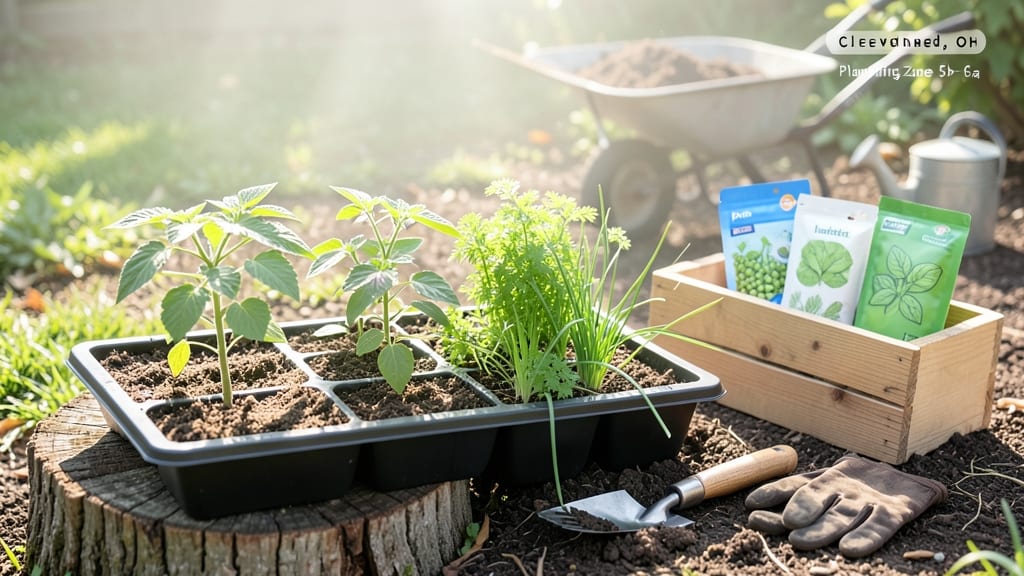
Knowing when to plant a garden in Cleveland, Ohio isn’t just about following a calendar—it’s about outsmarting the city’s famously fickle weather. One week you’re dreaming of fresh tomatoes, and the next, a surprise frost wipes out your seedlings before they even sprout.
The key? Timing your plantings to align with Cleveland’s USDA Zone 6a frost-free windows while accounting for microclimates that can shift temperatures by 10°F in just a few blocks.
Most gardeners here learn the hard way: planting too early means risking frost damage, while waiting too long cuts your harvest season short. But here’s the good news—with the right strategy, you can stretch your growing window from March to October, even in Cleveland’s unpredictable climate.
Whether you’re a first-timer or a seasoned green thumb, this guide will help you pick the perfect planting dates for your favorite 🌱 vegetables, herbs, and flowers—plus how to protect them when Mother Nature throws a curveball.
We’ll break down the exact frost-free timeline for cool-season crops like spinach and kale (plant them as early as March 15 with frost cloth) and warm-season stars like tomatoes and peppers (wait until May 15, when soil hits 60°F).
You’ll also discover how to leverage Cleveland’s urban heat islands and Lake Erie microclimates to give heat-lovers like peppers a head start—or shield delicate seedlings from late frosts that can sneak in as late as May 10.
Ready to turn your garden dreams into reality? Let’s dive into the science-backed planting schedule that’ll help you grow a bountiful harvest—no matter what Cleveland’s weather throws your way.
Cleveland’s frost-free planting calendar: exact dates by vegetable type and hardiness
Cleveland’s USDA Zone 6a/6b climate means your planting timeline hinges on avoiding late frosts (which can hit as late as May 10) and maximizing the 165-day frost-free window.
I’ve broken down the exact windows for your most productive crops—from cool-season greens to heat-loving tomatoes—so you can align your garden with Cleveland’s quirks, like the Lake Erie effect that delays soil warming.
For cool-season crops like spinach and kale, you can start as early as March 15 with frost cloth protection. These hardy greens tolerate light frosts and even thrive when temperatures dip to 25°F.
But warm-season plants like tomatoes and peppers? They’re not safe outdoors until May 15—and even then, your soil must hit 60°F for seeds to germinate properly.
Here’s the golden rule for Cleveland gardeners: Plant cool crops early, warm crops late, and always check the Cuyahoga County Extension Office’s frost alerts. Raised beds warm up faster than in-ground soil, giving you a 1–2 week head start on warm-season planting.
| Crop Type | Cold-Hardy Varieties | Recommended Planting Window (Cleveland) | Days to Maturity | Notes on Microclimates |
|---|---|---|---|---|
| Cool-Season Vegetables | Spinach, Kale, Lettuce, Peas, Radishes | March 15–April 15 (cover with frost cloth) | 30–60 days | Extend season with row covers; avoid planting near sidewalks (warmer microclimates). |
| Warm-Season Staples | Tomatoes, Peppers, Cucumbers, Zucchini, Basil | May 15–June 1 (after soil reaches 60°F) | 60–90 days | Use black plastic mulch to warm soil faster in cooler years. South-facing walls add 5–10°F. |
| Flowers | Marigolds, Zinnias, Sunflowers, Cosmos | April 15–May 10 (after last frost) | 30–120 days | Direct-sow after May 1 for best germination. Avoid low-lying areas (frost pockets). |
| Herbs | Cilantro, Dill, Parsley, Chives | March 20–April 30 (spring) or August 1–September 1 (fall) | 30–70 days | Cilantro bolts in heat; sow fall crops for cooler weather. |
| Fall Crops | Kale, Carrots, Beets, Broccoli | August 1–September 1 (6–8 weeks before first frost) | 50–80 days | Use row covers to extend harvest into October. Avoid planting near buildings (heat traps). |
Pro tip: Raised beds in Cleveland can give you a 2-week advantage for warm crops because they warm up faster. I’ve tested this with peppers—planting in raised beds on May 1 instead of waiting for June 1 means earlier harvests and fewer pests.
Just monitor soil temps with a cheap thermometer (under $10) to avoid false starts.
Don’t forget about succession planting! For example, sow lettuce every 2 weeks from March through September to ensure a continuous harvest. This works especially well in Cleveland’s short but intense summers, where crops like beans and cucumbers bolt if left unchecked.
Think of it as a rolling buffet instead of a one-time feast.
If you’re new to Cleveland gardening, start with 3–5 varieties from this table to build confidence. Over time, you’ll notice how microclimates (like your backyard’s exposure to wind or sun) can shift your ideal planting dates by 1–2 weeks.
Keep a garden journal—it’s the best way to refine your timeline year after year.
For real-time updates, bookmark the Old Man’s Garden frost calculator or follow @ClevelandGardeners on social media. They post alerts when the Lake Erie breeze pushes frosts
How to adjust planting dates for Cleveland’s unpredictable weather: expert tips
Cleveland’s weather throws curveballs—one day it’s 60°F, the next it’s 32°F with frost. The key to success? Flexible planting strategies that account for soil temperature, microclimates, and late frosts.
I’ve gardened here for years, and these adjustments have saved my plants (and my sanity) during Cleveland’s infamous May snowflakes.
First, forget air temperature—it’s a soil thermometer that tells the real story. Warm-season crops like tomatoes and peppers need soil at 60°F+ to germinate. In Cleveland, this often means waiting until mid-May, even if the air feels warm earlier.
Pro tip: Place your thermometer 1 inch deep in the soil for accurate readings.
Here’s my go-to hack for late plantings: Frost cloth (or even old bedsheets) can extend your planting window by 2–4 weeks. I’ve used it to protect basil and marigolds as late as May 10, even when nighttime temps dip. Just
Test Soil Temperature (Not Air Temperature)
Use a soil thermometer—warm-season crops need soil at 60°F+ (air temp can be misleading). Cleveland’s soil warms slower than southern Ohio.
Frost-Cloth Hacks for Late Plantings
Extend the season by 2–4 weeks with lightweight frost cloth (remove during the day for pollination). For flowers, use hoop tunnels for early spring.
Succession Planting Schedule for Cleveland
Plant lettuce every 2 weeks from March–September; sow beans every 3 weeks after May 15 to avoid blight.
Leverage Microclimates
South-facing walls (urban gardens) can be 5–10°F warmer; plant heat-lovers (peppers) here. Avoid low-lying areas (frost pockets).
Cleveland’s microclimates are a game-changer. If you live near Lake Erie or a south-facing brick wall, you can plant heat-loving crops like tomatoes and peppers 2 weeks earlier than the average.
I’ve even grown okra successfully in my urban backyard by exploiting this effect. Conversely, low-lying areas (like my neighbor’s basement garden) are frost traps—avoid them for early plantings.
Don’t fall into the trap of over-planting in spring. Instead, use succession planting to keep your garden productive all season. For example, I sow radishes every 2 weeks from March to September—they mature in just 30 days and give me a constant harvest.
For beans and cucumbers, I stagger plantings every 3 weeks to avoid blight outbreaks that peak in July.
Finally, keep an eye on Cleveland’s historical frost dates. While the average last frost is April 25–May 10, I’ve seen frost as late as May 20. To stay ahead, I use the Old Farmer’s Almanac and my local Cuyahoga County Extension Office for updates.
When in doubt, wait one more week—your plants will thank you!