
Planting
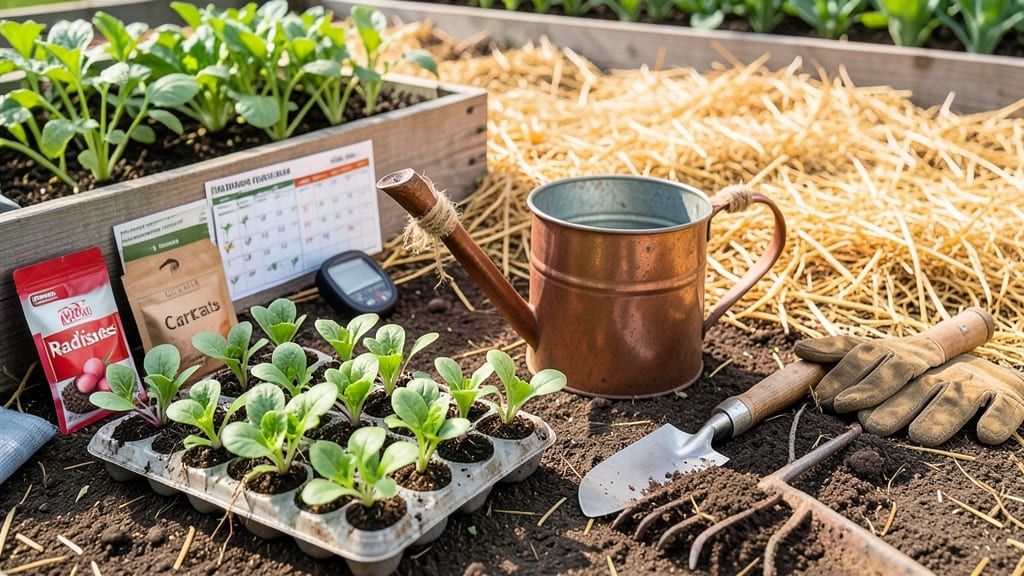
Timing when to plant a vegetable garden in Pennsylvania can feel like solving a puzzle—get it wrong, and your hard work might freeze or bolt before harvest. The secret lies in knowing when to plant, which varies dramatically between the state’s northern hills and southern valleys.
With last frost dates ranging from early April in Philadelphia to late May in the Poconos, your planting window shifts depending on where you live in zones 5b-7a.
Cool-season crops like lettuce and peas can go in as early as March, while tomatoes and peppers need to wait until after the last frost—usually mid-May in most regions.
But here’s the game-changer: soil prep matters just as much as timing. Testing your soil in early spring and amending it with compost ensures your plants thrive once they hit the ground.
I’ll walk you through the exact steps to maximize your garden’s potential, no matter which part of PA you call home.
From extending your season with row covers to mastering succession planting, you’ll discover how to turn your backyard into a year-round harvest hub—even with Pennsylvania’s unpredictable weather. Let’s get started!
Pennsylvania frost dates by Zone: when to plant cool and warm season vegetables
Pennsylvania spans USDA zones 4a to 7a, meaning frost dates vary dramatically from the Poconos to Philadelphia. Understanding these zones helps you time cool-season crops (like lettuce and peas) and warm-season crops (like tomatoes and peppers) perfectly.
For example, Zone 4a (north PA) has a last frost date of May 15, while Zone 7a (south PA) sees its last frost by April 15. This 30-day difference can mean the difference between a thriving garden and a failed harvest.
To simplify, I’ve broken down ideal planting windows for both cool and warm-season vegetables by zone. Start cool-season crops 4-6 weeks before your last frost date, while warm-season crops should wait until 2-3 weeks after the last frost.
For instance, in Zone 5b (central PA), that means planting lettuce in early April and tomatoes in mid-May. Missing these windows can lead to frost damage or stunted growth.
Here’s a quick reference for common PA zones and their frost dates:
| USDA Zone | Last Frost Date | First Frost Date | Cool-Season Planting Window | Warm-Season Planting Window |
|---|---|---|---|---|
| 4a (Poconos, NE PA) | May 15 | October 1 | April 1 - April 30 | June 1 - June 15 |
| 5a (State College, Scranton) | May 1 | October 10 | March 20 - April 15 | May 15 - May 30 |
| 5b (Harrisburg, Lancaster) | April 20 | October 15 | March 1 - April 1 | May 1 - May 15 |
| 6a (Pittsburgh, Reading) | April 10 | October 20 | February 20 - March 15 | April 20 - April 30 |
| 7a (Philadelphia, Wilmington) | April 1 | October 30 | February 1 - March 1 | April 1 - April 15 |
For cool-season crops like spinach, kale, and peas, you can even start seeds indoors 6-8 weeks before your last frost date. This gives them a head start and ensures they’re ready to transplant when the soil warms up.
For example, in Zone 5b, indoor seeding begins in early February for a late April transplant. Meanwhile, warm-season crops like tomatoes and peppers need to wait until the soil reaches at least 60°F, which typically aligns with your last frost date + 2 weeks.
Pro tip: Use row covers or cold frames to extend your cool-season planting window by 2-4 weeks. This is especially useful in northern PA zones where frost lingers longer. For instance, in Zone 4a, you can plant lettuce and radishes as early as late March with protection.
Always check your local microclimate—valleys and low-lying areas frost later than hillsides.
Don’t forget about fall planting! Many cool-season crops thrive in the milder temperatures of September and October. In Zone 7a, you can plant broccoli and carrots until early September for a harvest before first frost.
Use a planting calendar to track your progress and adjust for unpredictable weather. Keep a garden journal to note when
Soil preparation tips for Pennsylvania gardens: testing, amending, and timing
Preparing your Pennsylvania soil properly is just as critical as timing your plantings. The state’s mix of clay-heavy soils in the east and sandy loams in the west means your approach should vary by region.
Start by testing your soil pH—most vegetables thrive in a neutral 6.0 to 7.0 range, but some, like blueberries, need acidic soil (4.5–5.5).
For spring planting, aim to finish soil prep 4–6 weeks before your last frost date. In southern PA (zones 6b–7a), this means early March, while northern PA (zones 4a–5b) gardeners should wait until late April.
Amend your soil with compost or well-rotted manure to improve drainage and fertility—especially if your soil is compacted or lacks organic matter.
Avoid over-amending with fresh manure—it can burn plants and attract pests. Use composted materials instead for safer, slower nutrient release.
Test soil moisture before watering—stick your finger 1 inch deep. If dry, water deeply; if damp, wait. Overwatering in clay soils leads to root rot.
Incorporate organic matter like leaf mold or straw to improve water retention in sandy soils or drainage in clay. For container gardens, use a lightweight potting mix with perlite or vermiculite to prevent compaction.
If your soil tests acidic (common in Poconos region), add lime in fall to raise pH gradually.
Don’t forget to mark your garden beds after prep—use stakes or flags to outline rows, especially if you’re using raised beds or succession planting. This helps with weed control and ensures you don’t double-plant the same area.
In northern PA, where growing seasons are shorter, prioritize warm-season crops like tomatoes and peppers by planting them in pre-warmed soil (cover beds with black plastic 2–3 weeks before transplanting).
For fall planting, focus on cool-season crops like kale or spinach. Test soil again in late summer to check pH and nutrient levels—fall amendments like composted leaf litter can boost next year’s garden.
Mulch heavily with straw or shredded leaves to protect soil structure and insulate roots from early frosts in October.
Finally, keep a garden journal to track soil changes year-to-year. Note which amendments worked best in your zone and adjust future prep accordingly. With the right soil foundation, your Pennsylvania vegetable garden will be ready to thrive—no matter the frost date! 🌱