
Plants
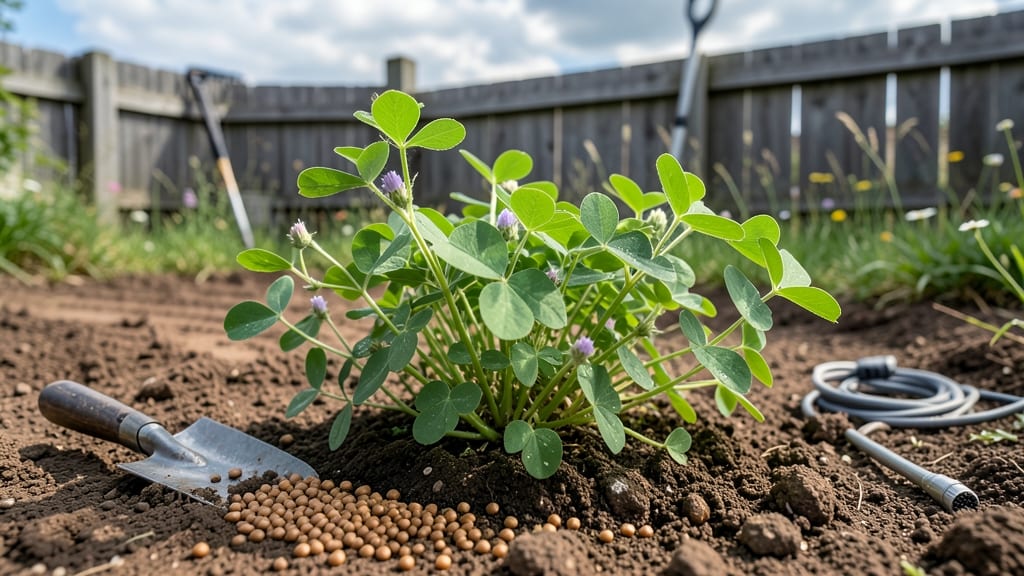
Planting alfalfa in Indiana at the wrong time can turn your hard work into a frustrating gamble with Mother Nature. Whether you're growing it for forage, soil improvement, or hay, getting the timing right is the difference between a thriving crop and wasted seeds.
The 6a zone in Indiana offers two prime windows: early spring (March-April) or late summer (August). But here's the catch—waiting too long after the last frost date (around April 15) risks stunted growth, while planting too early exposes young shoots to unexpected freezes.
Let me show you how to nail those frost-free windows for maximum success.
Beyond dates, soil prep and variety selection play critical roles. We'll cover how to warm your soil faster, choose the right alfalfa strain for your region, and avoid common pitfalls that even experienced growers fall for. Ready to turn your plot into a productive alfalfa patch?
With the right timing, your alfalfa could be ready for harvest in its second year—just in time for June-September cutting. Let's get your planting schedule dialed in for Indiana's climate.
Indiana’s frost-free window for planting alfalfa by hardiness zone
Indiana’s climate—spanning USDA hardiness zones 5b through 6a—creates distinct planting windows for alfalfa that can make or break your crop. The key is planting when soil temperatures consistently reach 50°F (10°C), which typically aligns with Indiana’s average last frost dates in late March to early April.
However, zones 5b (northern Indiana) and 6a (southern Indiana) have subtle but critical differences in timing that can impact germination rates and early growth.
For zone 5b (e.g., Fort Wayne, Gary), aim for mid-April planting, as frost risks linger longer. In zone 6a (e.g., Indianapolis, Bloomington), you can start as early as late March without fear of frost damage.
Both zones benefit from a late-summer backup window (August) if spring planting is delayed, though yields may be lower.
Soil temperature is your best guide—use a soil thermometer to confirm readiness. Alfalfa seeds won’t sprout until the soil warms to 50°F (10°C), even if air temperatures seem mild. In Indiana, this usually coincides with daytime highs of 60°F (15°C) or warmer for 3–5 consecutive days.
Indiana Alfalfa Planting Window by Zone
| Zone | Primary Planting Window | Average Last Frost | Soil Temp Threshold | Backup Window |
|---|---|---|---|---|
| 5b (Northern IN) | Mid-April to early May | April 15–25 | 50°F (10°C) | Late August |
| 6a (Southern IN) | Late March to April 15 | April 1–15 | 50°F (10°C) | Early August |
*Backup windows yield lower but viable crops if spring planting is missed.
Alfalfa’s second-year harvest (when forage quality peaks) depends on these early decisions. Planting too early in zone 5b risks frost damage, while delaying in zone 6a can stunt root development. For both zones, late August plantings should be completed by August 15 to allow roots to establish before winter.
Indiana’s microclimates add another layer—urban areas like Indianapolis often warm faster than rural farmlands, while valleys (e.g., near Terre Haute) may hold frost longer. Check your local Purdue Extension office for hyper-local frost data, or use a frost calendar app to track trends in your specific area.
Pro tip: If your soil is still cold in the ideal window, warm it with black plastic mulch 1–2 weeks before planting. Lay it down, weigh the edges, and plant through slits—this can shave 7–10 days off your waiting time. Just remove it once seeds sprout to avoid overheating.
For organic growers, consider planting clover cover crops in fall to naturally warm and loosen soil for spring alfalfa. The clover’s roots break up compacted soil, improving drainage and reducing the risk of waterlogged seeds—a common issue in Indiana’s clay-heavy soils.
Remember: Alfalfa’s nitrogen-fixing roots take time to establish. Rushing the planting process can leave your crop vulnerable to weed competition or disease pressure. Patience in timing now means healthier stands and higher yields in year two.
Indiana’s frost-free window for planting alfalfa by hardiness zone
Alfalfa is a hardy forage crop that thrives in Indiana’s USDA zones 5-6, but timing your planting is critical. The frost-free window determines whether your seeds sprout successfully or rot in cold soil.
In most of Indiana, the last spring frost typically occurs between April 1-15, while the first fall frost arrives around October 15.
For spring planting, aim to sow alfalfa seeds 2-4 weeks before your last frost date. This gives seedlings time to establish roots before summer heat arrives.
In northern Indiana (zone 5), this usually means early April, while southern Indiana (zone 6) can start as early as late March.
If you prefer fall planting, wait until late summer (August) to allow seedlings to develop before winter. However, alfalfa planted in fall rarely matures enough for harvest the first year, so spring planting is ideal for most growers.
Always check your local Indiana State Climate Office for microclimate adjustments. Urban areas like Indianapolis may experience earlier last frosts due to heat islands, while rural areas might have cooler soils that delay planting. Use a soil thermometer to confirm temperatures before planting.
For optimal growth, plant alfalfa when soil temperatures consistently reach 50°F (10°C). In Indiana, this typically aligns with mid-April in most regions. Delaying until soil warms ensures faster germination and stronger seedlings.
Remember, alfalfa is a perennial crop that establishes best in its first year. Planting too early risks frost damage, while waiting too long may lead to weed competition. Balance is key for a thriving alfalfa stand.