
Planting
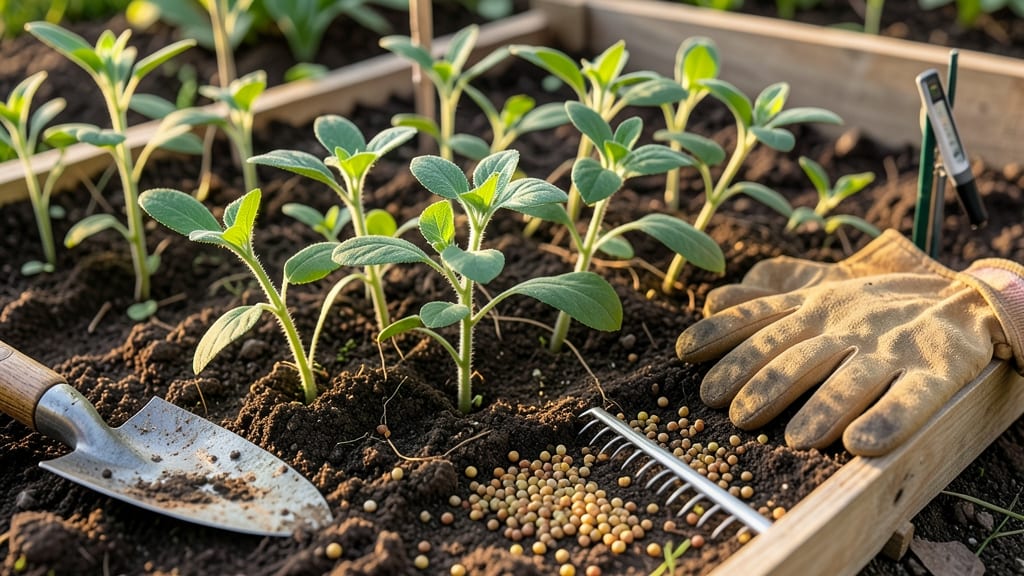
Optimal soil temperature ranges for planting alfalfa seeds
Alfalfa seeds need precise soil temperature conditions to germinate reliably. Planting too early in cold soil delays sprouting, while waiting too long risks summer heat stress. The ideal soil temperature range for alfalfa germination is between 40°F and 70°F, with 50°F–60°F being the sweet spot for fastest results.
In most regions, this translates to planting alfalfa when daytime air temperatures consistently reach 55°F–65°F—typically 2–4 weeks after the last frost date.
However, northern climates (Zones 3–5) may need to wait until soil warms to 50°F+, while southern zones (Zones 8–11) can plant as early as February if soil is workable.
Testing soil temperature is easier than you think. Use a soil thermometer (available for under $10) to check 2 inches deep—this is where seeds will be planted.
For a DIY method, press your hand into the soil for 5 seconds: if it feels cool but not freezing, it’s likely in the 50°F–60°F range.
Here’s why temperature matters: alfalfa seeds contain hard seed coats that require warm soil to soften and absorb moisture. Below 40°F, germination can stall for weeks, while above 75°F, seeds may overheat and fail to sprout. Even a 5°F difference can cut germination rates by 30%.
If you’re planting in containers or raised beds, soil warms 2–3°F faster than in-ground plots. This means you can plant 1–2 weeks earlier in containers without risking cold damage. Just monitor soil temps closely—plastic pots heat up quicker than wood or fabric grow bags.
Pro tip: Mulch lightly (with straw or grass clippings) after planting to retain soil warmth and prevent temperature swings. This is especially helpful in cooler climates where nights can still dip below 45°F even after daytime warming.
Remember, alfalfa’s hard seed coat needs warm soil to soften and absorb water. If you plant in cold, wet soil, seeds may rot before germinating. Always check soil moisture too—dry soil above 70°F can kill seeds just as surely as cold, soggy soil.
For northern gardeners, consider using a black plastic mulch or row covers to warm soil faster. This can shave 10–14 days off your planting timeline by raising soil temps by 5°F–10°F.
Best spring planting timing by US hardiness Zones
Timing your alfalfa planting by your USDA Hardiness Zone ensures seedlings thrive without frost damage or summer stress. In Zones 3–5, aim for late April to early May—after the last frost but before soil temperatures hit 75°F.
Meanwhile, gardeners in Zones 6–8 can plant as early as mid-March, while Zones 9–11 benefit from February plantings to avoid summer drought.
Regional adjustments matter: Northern growers risk frost damage if planting too early, while Southern gardeners must avoid midday heat stress on tender seedlings.
For example, in Zone 5, wait until soil warms to 50°F—a simple test is pressing your finger into the soil; if it feels cool but not icy, it’s ready.
Here’s how to balance timing with local conditions:
In Zones 3–5, early plantings risk frost damage, while Zones 9–11 face summer drought if planted too late. For example, in Zone 7, I’ve found planting in mid-March works best—soil warms quickly, and seedlings establish before summer heat arrives.
Always check your local average last frost date and adjust by 2–3 weeks for safety.
Pro tip: Use row covers for 2–3 weeks after planting in cooler zones to protect seedlings from unexpected frosts. This simple step can boost survival rates from 60% to 90% in marginal climates. Pair this with a mulch layer to retain soil moisture and regulate temperature swings.
If you’re in a transition zone (e.g., Zone 6b/7a), split your planting into two batches: 20% in early April and 80% in mid-April. This staggered approach ensures at least one batch thrives, even if weather turns unpredictable.
Always monitor soil moisture—alfalfa seedlings need consistent dampness but hate soggy soil.
Remember: Alfalfa’s perennial nature means early planting pays off for years. A well-timed spring crop can provide nitrogen-rich forage for 3–5 seasons with minimal replanting. Start with small test patches to refine your local timing before scaling up.