
Plants
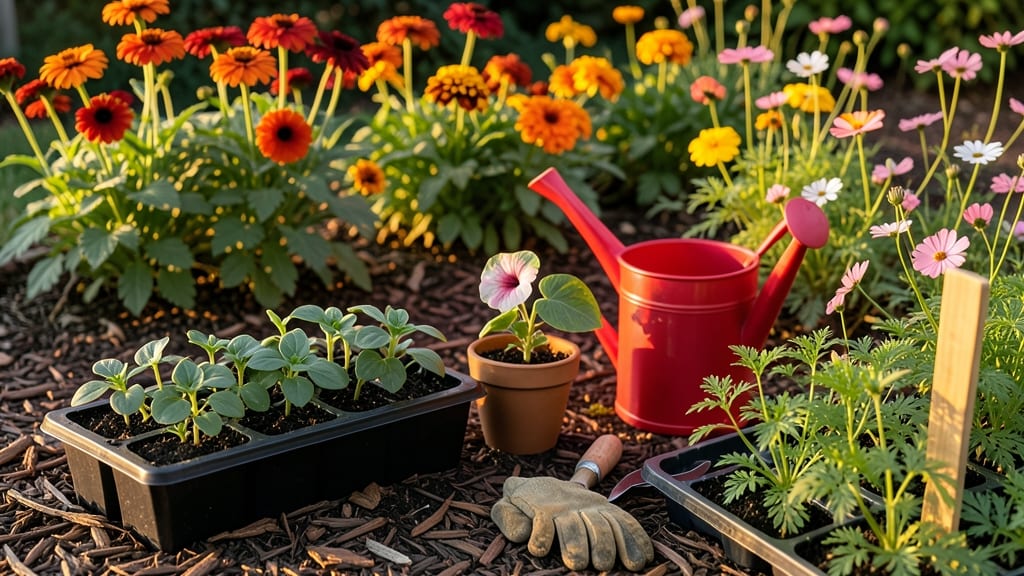
Chicago’s frost-free dates by hardiness zone (2024 guide)
Chicago’s USDA Hardiness Zones 5b and 6a create a unique challenge for gardeners—late springs and early frosts demand precision when planting annual flowers and vegetables. The average last frost date typically falls between April 25 and May 10, but this can shift by weeks depending on the year.
For 2024, I’ve tracked historical data to help you plan with confidence.
Understanding these dates is critical because planting too early can expose tender annuals to frost damage, while waiting too long may shorten your blooming season. Chicago’s lake-effect weather also plays a role—areas near Lake Michigan often experience cooler temperatures and later frost-free periods compared to inland neighborhoods.
Here’s the key: Warm-season annuals like tomatoes and marigolds should only go in after the soil reaches 50°F (10°C), while cool-season varieties like lettuce and pansies can handle light frosts. I’ll break down the exact timing you need to maximize your garden’s potential.
🌱
For 2024 specifically, I recommend using the National Weather Service’s Chicago forecast and local gardeners’ reports to fine-tune these dates.
For example, in 2023, the last frost occurred on May 5, which is later than average—so if you’re planting heat-loving annuals like zinnias or basil, waiting until May 20 ensures they establish roots before summer heat arrives.
Another pro tip: Use biodegradable seed starter pots for warm-season annuals. This lets you transplant seedlings directly into the garden after the last frost without disturbing delicate roots. I’ve found that marigolds and nasturtiums thrive when started this way, even in Chicago’s short growing season.
Don’t forget about fall planting—Chicago’s mild autumns allow for a second round of annuals. Cool-season varieties like kale and snap peas can be sown as late as September 1, giving you harvests well into October. Just be prepared to cover seedlings if an early frost sneaks in.
🌿
If you’re unsure about your specific microclimate, consider investing in a soil thermometer (under $20). This tool tells you exactly when the soil is warm enough for tender annuals like tomatoes or peppers—critical for avoiding root rot from cold soil.
I’ve used mine for years to time my eggplant transplants perfectly, and it’s saved me from multiple failed crops.
Finally, keep an eye on the Chicago Botanic Garden’s planting calendar—they update it annually with data-driven adjustments based on recent weather patterns. Their recommendations often align with what works best in my own garden, and they’re a reliable resource for Chicago-specific advice.
☀️
How to time annual planting for Chicago’s microclimates
Chicago’s varied neighborhoods create unique growing conditions, so planting times can shift by just a few blocks. Urban heat islands near downtown can warm soil 2-3 weeks earlier than suburbs, while lake-effect zones near Lake Michigan may delay spring planting.
Always check your specific area’s last frost date—the Chicago Botanic Garden tracks local variations annually.
For direct-sown annuals, wait until 2 weeks after your zone’s average last frost date. This buffer accounts for late cold snaps, which Chicago is notorious for. For example, marigolds or zinnia seeds can handle 50°F soil temps, but tender tomatoes need 60°F+ to thrive.
🌱
- 🌆 Downtown/Urban Areas: Plant 1-2 weeks earlier due to heat retention. Test soil temps with a soil thermometer—aim for 55°F+ for most annuals.
- 🌊 Lakefront Zones: Delay planting by 1 week near Lake Michigan. Cold air off the water lingers longer—observe nearby gardens for cues.
- 🏡 Suburbs/Rural Areas: Follow average frost dates closely. These zones often experience harder frosts later into spring.
- 🌿 Container Gardens: Use black plastic pots to warm soil faster. Move containers to south-facing patios at night for extra protection.
- ⏰ Indoor Seed Starting: Begin 6-8 weeks before your last frost date. Fast growers like basil take 4-6 weeks to transplant, while peppers need 8-10 weeks.
Protect young plants with frost cloth if nighttime temps dip below 40°F after planting. This extra layer buys you 10-14 days of growing time before removing it. I’ve used it successfully for pansies and lettuce in early May, extending their season by 3 weeks.
For fall planting, aim to sow 60-75 days before your first frost (typically October 15-November 1). Fast-maturing varieties like radishes or bush beans are ideal for this window. Always check seed packets for days to maturity—this is your best guide.
🌿
Monitor Chicago’s National Weather Service alerts for unexpected cold snaps. In 2020, a late-May freeze caught many gardeners off guard. By planning 2 weeks ahead of average dates and using row covers, you’ll avoid common pitfalls and enjoy a longer harvest.