
Plants
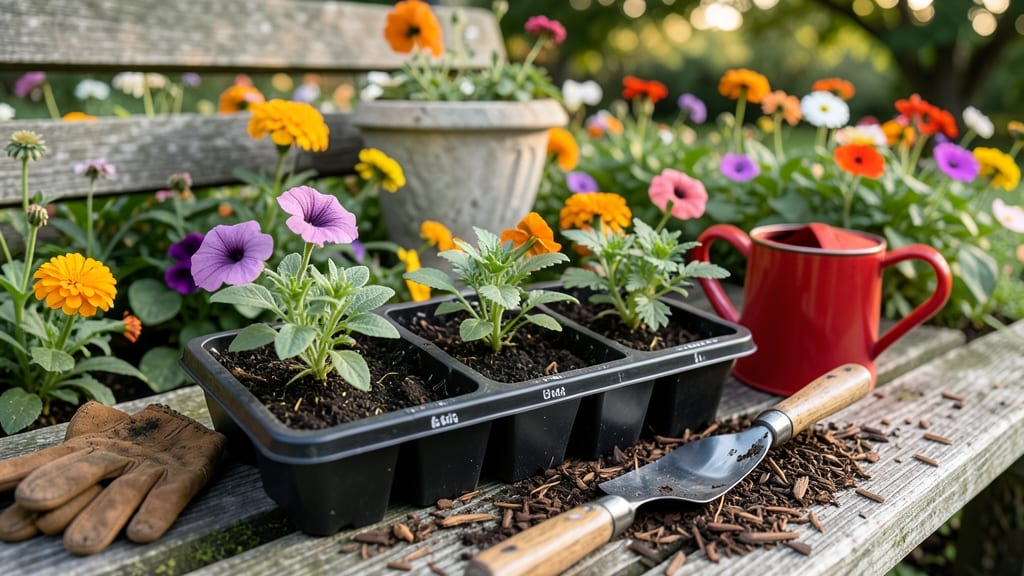
Timing your annuals planting in Ohio right can mean the difference between a vibrant garden and a sad, frost-nipped disappointment. With Ohio’s unpredictable weather—where last frosts can linger into May and early freezes sneak in by October—getting the schedule wrong is an easy (but costly) mistake.
I’ve spent years watching my 🌸 annuals thrive (or wilt) based on when I planted them, and the key is knowing your zone’s frost-free window.
Whether you’re dreaming of tomatoes by July or marigolds blooming in August, the right timing ensures your hard work pays off before the first chill arrives.
Here’s what you need to know: Ohio’s USDA Zone 6a gives you two main planting windows—spring (after mid-April’s last frost) and late summer (4-6 weeks before October’s first frost). But not all annuals play by the same rules.
Some, like cool-loving pansies, can handle early spring, while others, like heat-seeking sunflowers, need to wait until soil warms up.
Let’s break down the exact dates, variety-by-variety tips, and pro tricks to stretch your growing season—so you can enjoy your garden from June to September without a single frost-related setback.
Ohio’s frost-free planting zones & key dates by month
Ohio spans USDA zones 5b through 6b, meaning frost dates vary dramatically—from early April in southern counties to late May in the north. Last frost dates shift by weeks, so timing your annuals correctly is critical.
For example, Columbus (Zone 6a) averages its last frost around April 15, while Toledo (Zone 5b) often waits until May 1. Warm-season annuals like tomatoes and marigolds need soil temps of 60°F+ to thrive, while cool-season varieties like lettuce can handle 40°F+ soil.
First frost typically arrives between October 15 (south) and November 1 (north), giving Ohio gardeners a 165-day frost-free window in most areas. This timeline dictates when to plant warm-season annuals (after last frost) versus cool-season annuals (4–6 weeks before first frost).
Missing these windows can mean stunted growth, poor blooms, or worse—frost damage. For instance, planting tomatoes in March risks killing them if a late freeze hits, while waiting until mid-May ensures they mature before fall.
Here’s how to navigate Ohio’s planting zones with precision:
| Zone | Last Frost (Avg.) | First Planting Window | Critical Deadline | Notes |
|---|---|---|---|---|
| 5b (Toledo, Youngstown) | May 1 | May 15–June 1 (warm-season) | July 15 (for fall crops) | Use row covers for early starts |
| 6a (Columbus, Cincinnati) | April 15 | April 30–May 15 (warm-season) | August 1 (for fall crops) | Soil warms faster; monitor temps |
| 6b (Dayton, Akron) | April 1 | April 15–May 1 (warm-season) | August 15 (for fall crops) | Longer growing season; succession plant |
Ohio’s microclimates add another layer of complexity. Urban areas like Cincinnati often experience urban heat islands, allowing warm-season annuals to thrive 1–2 weeks earlier than rural zones. Conversely, northern Ohio’s Lake Erie region can have delayed springs due to lake breezes.
To adapt, I recommend planting heat-loving annuals (e.g., okra, sweet potatoes) in south-facing beds or using black plastic mulch to warm soil faster.
For cool-season annuals, like pansies or spinach, start seeds indoors 6–8 weeks before last frost (early March for Zone 6b). These varieties tolerate light frosts and can even bolting if planted too early.
Meanwhile, warm-season annuals (tomatoes, peppers, basil) should wait until soil reaches 60°F+, typically mid-May in northern Ohio and early April in southern Ohio. Use a soil thermometer to avoid guessing—cool soil stunts growth.
Succession planting is your secret weapon in Ohio. By staggering plantings every 2–3 weeks, you extend harvests and blooms. For example, sow lettuce every 2 weeks from April to August to enjoy fresh greens all season.
Similarly, marigolds planted in June and July will bloom into fall, deterring pests like nematodes. This approach works especially well for fast-growing annuals like radishes, bush beans, or zinnias.
Don’t overlook fall planting for annuals like kale, snapdragons, or calendulas. These thrive in cooler weather and can be sown as early as late July (6 weeks before first frost).
Use lightweight row covers to protect young plants from early autumn frosts. For heat-sensitive annuals like cosmos or sunflowers, start seeds indoors in early May to ensure they mature before frost.
Ohio’s first frost warnings from the National Weather Service are your final deadline. For most annuals, stop planting 4–6 weeks before frost to allow time for harvest or blooming.
Exceptions include biennials like hollyhocks or overwintering pansies, which can handle light frosts. Always have a backup plan, like moving potted annuals indoors before cold snaps hit.
To summarize, Ohio’s annual planting calendar hinges on three key dates: last frost, soil temperature, and first frost.
By aligning your plantings with these milestones—and adjusting for your specific zone—you’ll maximize blooms, harvests, and garden success. Miss the window by even a week, and you risk stunted plants or wasted effort.
But get it right, and your Ohio garden will burst with color and productivity from spring to fall. 🌸
Best annuals to plant in Ohio by season (with exact timing)
Ohio’s two distinct planting seasons—cool and warm—dictate which annuals thrive when. Cool-season varieties like pansies and lettuce love early spring or fall, while tomatoes and marigolds need summer’s warmth. Timing isn’t one-size-fits-all: start seeds indoors 6-8 weeks before the last frost for a head start.
For vegetable annuals, prioritize warm-season crops like peppers and cucumbers after Memorial Day (mid-May). Herbs such as basil only tolerate frost once, so wait until soil warms to 60°F or higher. Flowering annuals like zinnias and sunflowers?
Plant them after the last frost date (usually mid-April to early May in most of Ohio).
🌱 Pro Tip: Use succession planting—sow bush beans or radishes every 2 weeks from May to July for continuous harvests. Cool-season crops like spinach can even handle light frosts, so plant them in early spring or late summer for fall harvests.
🌿 Ohio Annual Planting Timeline
March–April, Sept–Oct
Pansies, Lettuce, Spinach, Kale
May–June, July (succession)
Tomatoes, Peppers, Marigolds, Zinnias
June–August
Okra, Sweet Potatoes, Basil
April–Sept (cool: cilantro; warm: basil)
Cilantro, Dill, Basil, Parsley
July–August (for frost-free blooms)
Cosmos, Snapdragons, Pansies
If you’re starting seeds indoors, begin warm-season annuals like tomatoes and peppers in late February to early March (8-10 weeks before transplanting). Cool-season varieties like broccoli and cabbage can start indoors in March for early spring plantings or July for fall harvests. Direct-sow hardy annuals like radishes and carrots 2-3 weeks before your average last frost date.
For container gardening, prioritize compact annuals like bush beans, dwarf marigolds, or cherry tomatoes.
These thrive in pots and can be moved to sunny balconies or patios once nighttime temps stay above 50°F. Heat-loving varieties like okra or sweet potatoes need full sun and warm soil, so wait until after Memorial Day to plant them.
Missed the spring planting window? No problem! Succession plant fast-growing annuals like bush beans, lettuce, or radishes every 2 weeks from May through July for a steady supply. Heat-tolerant flowers like zinnias and cosmos also handle late starts—just give them full sun and consistent water to compensate.