
Trees
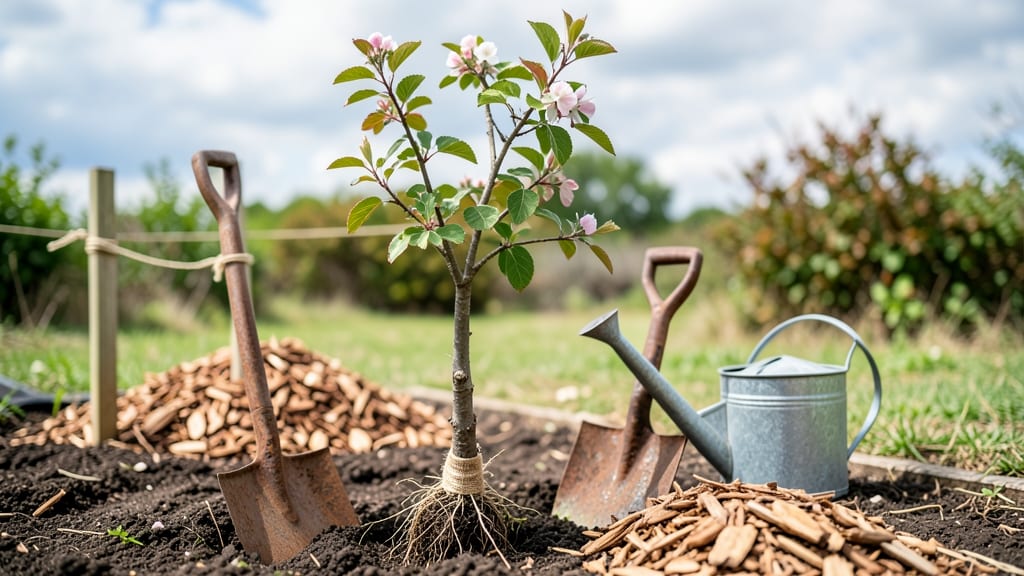
Alabama’s frost-free window for planting apple trees by region
Alabama’s diverse climate means planting apple trees in North Alabama (USDA zones 6b-7a) differs from South Alabama (zones 7b-8b). Timing your planting to avoid late frosts is critical—especially in March, when temperatures can still dip below 28°F.
The general rule: plant bare-root trees in late winter (February-March) and container-grown trees in early spring (March-April) once soil temperatures rise above 45°F.
North Alabama’s harsh winters demand extra caution. Counties like Jackson, Madison, and Marshall often see last frost dates around March 20-25, so delay planting until April 1 for safer root establishment.
In contrast, South Alabama’s mild winters (e.g., Mobile, Baldwin, Escambia) allow planting as early as February 15, with minimal frost risk after March 1.
Central Alabama—think Birmingham, Montgomery, and Huntsville—offers a middle-ground window from March 1-15. These areas experience moderate frosts but rarely prolonged deep freezes. Use microclimate data from your county’s Alabama Extension office to fine-tune your schedule.
For example, Etowah County (Huntsville area) averages 5°F colder nights than Autauga County (Prattville), so adjust accordingly.
🌱
Alabama’s frost-free days average 210 days, but North Alabama sees 10-15 fewer days than South Alabama. This means dwarf apple trees (which establish roots faster) are ideal for late-March plantings in colder zones.
For standard trees, aim to plant 4-6 weeks before your county’s last frost date to allow root growth before buds swell.
Soil temperature is just as critical as air temperature. Use a soil thermometer to confirm 45°F+ at 4-inch depth before planting. In North Alabama, this often means waiting until mid-April, while South Alabama soils warm earlier.
Amend clay-heavy soils with compost or peat moss to improve drainage—waterlogged roots are a common issue in Alabama’s humid climate.
Container-grown apple trees offer flexibility for late plantings (up to May in South Alabama), but they require consistent moisture during establishment. Mulch with 3-4 inches of wood chips to retain soil moisture and regulate temperature. Avoid planting in low-lying areas where cold air pools, increasing frost risk.
🌳
After planting, protect young trees from late-spring frosts (common in April) with frost cloth or a tree wrap. In North Alabama, consider row covers until May 1 for extra protection.
Prune damaged branches in early spring to encourage vigorous growth. Remember: apple trees planted in Alabama’s optimal window can yield fruit in 3-5 years, but timing is everything for survival.
For real-time updates, bookmark the Alabama Agricultural Statistics Service frost maps or use apps like PlantNet to track local conditions. With the right timing, your Alabama orchard will thrive—frost-free and fruitful!
☀️
Best apple tree varieties for Alabama's climate and when to plant them
Alabama’s warm climate and humid summers demand heat-tolerant apple varieties that also handle occasional cold snaps. The best time to plant depends on whether you choose dwarf varieties (faster harvest) or standard trees (long-term orchards).
Most thrive when planted in late winter or early spring, but container-grown trees offer flexibility year-round.
For North Alabama (USDA Zones 7a-7b), prioritize cold-hardy varieties like 'Akane' or 'Golden Delicious', which tolerate 20°F temperatures. In Central and South Alabama (Zones 8a-8b), 'Gala' and 'Fuji' excel in heat but need partial shade in summer to prevent sunburn.
Dwarf trees (6–12 ft tall) mature faster, making them ideal for small yards or containers. Plant them in February–March for root establishment before summer heat. Standard trees (18–25 ft) need full sun and space—plant bare-root varieties in late winter or container-grown trees in early spring or fall.
🍎 Variety Comparison for Alabama
| Variety | Best For | Planting Time | Notes |
|---|---|---|---|
| Akane | North AL (cold-hardy) | Feb–March | Resists fire blight; needs cross-pollination |
| Gala | Central/South AL (heat-tolerant) | Feb–April or fall | Sweet flavor; needs full sun |
| Fuji | South AL (container-friendly) | Year-round (container) | Crisp texture; needs staking |
Container planting extends your planting window to fall or even summer, but ensure pots have drainage holes and use well-draining soil. For in-ground planting, amend soil with compost and peat moss to improve drainage—Alabama’s clay soils can suffocate roots.
Mulch with wood chips to retain moisture during hot summers.
After planting, water deeply weekly for the first year, focusing on the root zone. Avoid overhead watering to prevent fungal diseases like apple scab, common in Alabama’s humidity. Prune in late winter to shape the tree and remove dead branches before bud break.
🌱 For fastest results, pair 'Akane' with 'Golden Delicious' for cross-pollination—this combo thrives in North Alabama’s cooler zones. In South Alabama, 'Gala' and 'Fuji' produce reliably with minimal care, making them perfect for beginner gardeners.