
How To
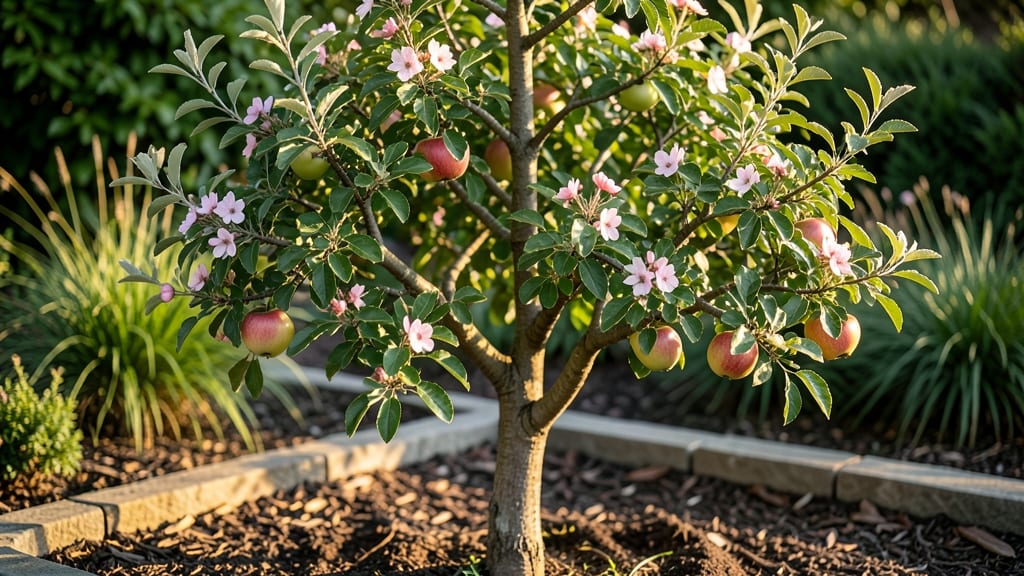
If you've ever dreamed of picking fresh 🍎 dwarf apple trees from your backyard but wondered how tall a dwarf apple tree can grow, the good news is you don’t need a full orchard.
The height of these compact varieties can range dramatically—from as short as 6 feet to over 12 feet—depending on the type and care you provide.
This flexibility makes dwarf apple trees perfect for small gardens, containers, or even urban patios. But here's the catch: not all dwarf trees are created equal. Some varieties stay neatly below 8 feet, while others can stretch taller if left unchecked.
Understanding these differences is the key to choosing the right tree for your space.
In this guide, I'll break down exactly how tall different dwarf apple trees grow, what factors influence their height, and how you can keep them at your ideal size.
Whether you're working with columnar varieties that grow straight up like a pole or spindle bush types that spread slightly wider, we'll cover everything you need to know.
Ready to transform your tiny yard into a productive apple haven? Let's dive into the heights, care tips, and best varieties that will make your dwarf apple tree dreams a reality—without sacrificing space.

Dwarf apple tree height limits: what to expect by variety
When you picture a dwarf apple tree, imagine a compact version of its full-sized cousin—one that fits neatly in small gardens, containers, or even urban yards. But here’s the catch: not all dwarf apple trees are created equal.
Their mature height can vary dramatically based on the rootstock (the underground part that supports the tree) and the variety you choose. Understanding these differences is the first step to planning your perfect orchard space.
Dwarf apple trees typically reach 6 to 12 feet at maturity, but this range can shrink or expand depending on the rootstock type and pruning habits. For example, columnar varieties stay slender and tall (6–10 feet), while spindle bush types grow bushier and wider (8–12 feet).
The rootstock—like M.9 or B.9—plays a huge role in controlling height, often reducing it by 50% or more compared to standard apple trees.
Here’s the breakdown of what to expect from the three main dwarf apple tree categories, including their height ranges and ideal growing conditions:
The rootstock is the unsung hero of dwarf apple tree growth. For instance, trees grafted onto M.9 rootstock stay shorter (6–8 feet) and produce fruit faster, while MM.106 rootstock allows for slightly taller growth (10–12 feet) but with more vigor.
If you’re working with limited space, columnar varieties are your best bet—they grow narrow and upright, making them ideal for containers or narrow garden beds. Just be prepared to prune them annually to maintain their shape!
One common misconception is that all dwarf apple trees stay under 6 feet. While true dwarf varieties (like those on Budagovsky 9 rootstock) can reach just 4–6 feet, many "dwarf" trees marketed as such actually grow closer to 8–12 feet.
Always check the rootstock and variety before purchasing to avoid surprises. For example, a ‘Golden Delicious’ on M.9 rootstock will stay compact, but the same variety on MM.111 rootstock (semi-dwarf) could grow up to 15 feet—so read those labels carefully!
Another factor influencing height is pruning. Even dwarf trees can outgrow their space if not pruned correctly. Summer pruning (light trimming during the growing season) helps control height, while winter pruning (more aggressive cuts) shapes the tree for the next year.
If you’re growing a columnar variety, you’ll mostly focus on removing suckers (shoots growing from the base) and thinning out crowded branches to maintain that vertical growth habit.
For small-space gardeners, consider pairing your dwarf apple tree with companion plants like herbs (basil, thyme) or shallow-rooted perennials (lavender, sage). These plants won’t compete for nutrients or space while adding beauty and functionality to your orchard.
Just ensure your apple tree gets full sun (6–8 hours daily)—this is non-negotiable for healthy growth and fruit production.
If you’re still unsure about which dwarf variety to choose, start with a columnar type like ‘Wijcik’ (a self-pollinating, disease-resistant option) or a spindle bush like ‘Liberty’ (known for its disease resistance and compact size).
Both are excellent for beginners and thrive in containers or ground beds alike. Just remember: dwarf doesn’t mean low-maintenance—these trees still need regular care to stay healthy and productive!
🍏
How to control dwarf apple tree height naturally (pruning & care)
Even the most space-saving dwarf apple trees need guidance to stay within their ideal height range. Pruning isn't just about aesthetics—it's the secret to controlling growth, improving fruit quality, and keeping your tree healthy.
I've learned that timing and technique make all the difference, so let's break down how to manage your tree's height naturally.
First, understand that dwarf apple trees grow faster in their first 3-4 years, so early pruning sets the foundation. The key is to remove suckers and water sprouts (those fast-growing vertical shoots) while encouraging a balanced shape.
I always start with the 3-D pruning approach: open the center for airflow, maintain a rounded canopy, and keep branches within reach for easy harvesting.
🌱
Step-by-Step Pruning Guide for Height Control
- Step 1: Prune in Late Winter - Remove dead, crossing, or diseased branches before buds swell. This is when your tree is dormant and less stressed.
- Step 2: Summer Pruning (Optional) - Lightly trim new growth to redirect energy toward fruit production. Focus on branches growing inward or upward.
- Step 3: Thin Fruit Clusters - Leave 6-8 inches between fruit to prevent overcrowding, which stresses the tree and can lead to smaller apples.
- Step 4: Shape the Canopy - Aim for a vase-like shape with branches spaced evenly. This improves sunlight penetration and air circulation.
- Step 5: Annual Height Check - Measure your tree's height each spring. If it exceeds your desired limit (e.g., 8 feet for columnar types), prune the topmost branches by 1/3 of their length.
One common mistake I see is over-pruning in spring, which can stimulate excessive new growth and make height control harder. Instead, I recommend a gradual approach: never remove more than 25% of the tree's foliage in a single session.
For columnar varieties, which grow upright like a pole, focus on trimming the tips to encourage bushier growth lower down.
Spacing also plays a crucial role in height management. Plant your dwarf apple tree 8-12 feet apart (or 6 feet for columnar types) to reduce competition for nutrients and sunlight.
I once planted two spindle bush varieties too close together, and within 2 years, they were fighting for space, leading to stunted growth and poor fruit quality. Pro tip: Use drip irrigation to keep moisture consistent, which helps the tree allocate energy to fruit production rather than excessive foliage.
Don't forget about seasonal care. In fall, apply a 2-3 inch layer of mulch around the base (but not touching the trunk) to regulate soil temperature and retain moisture. This reduces stress on the tree, which can otherwise lead to uncontrolled vertical growth the following spring.
And in winter, protect young trees from freeze damage by wrapping the trunk with burlap or using tree guards—damaged branches often grow back thicker and taller.
Finally, fertilize wisely. Too much nitrogen can lead to lush foliage but fewer apples, while a balanced 10-10-10 fertilizer promotes steady, controlled growth. I apply mine in early spring and mid-summer, always watering it in deeply to prevent root burn.
The goal is to support your tree's natural growth patterns without encouraging it to reach for the sky.
✂️