
Trees
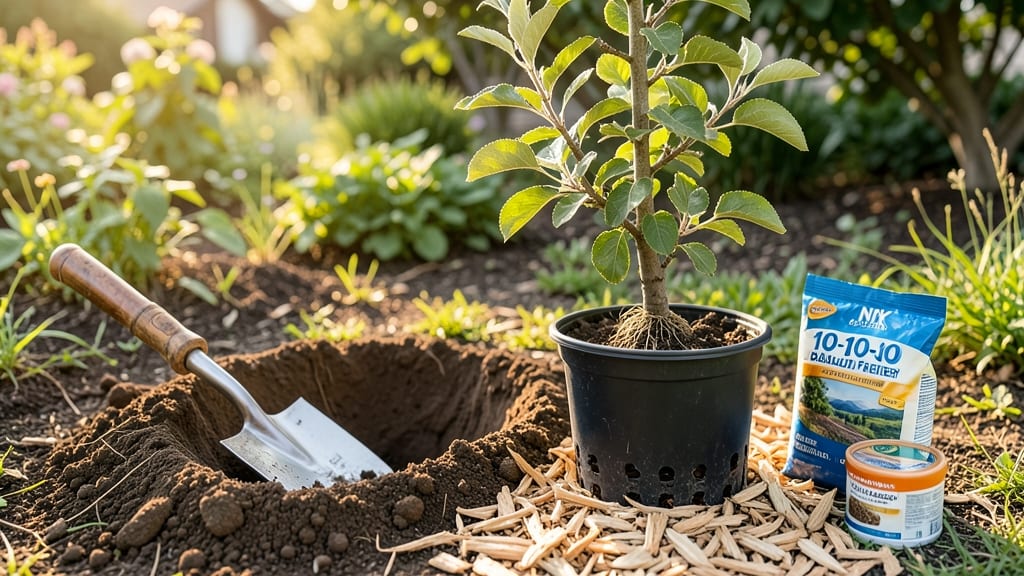
Planting your 🍎 Apple Tree in Illinois at the wrong time can mean the difference between a thriving orchard and years of disappointment.
With USDA Zones 5-6 and unpredictable frost dates, timing is everything—and getting it right starts with knowing when the soil is workable and the risk of late frosts is lowest.
Most Illinois gardeners swear by two windows: late winter to early spring (February–April) for bare-root trees or fall (September–October) for balled-and-burlapped varieties.
But here’s the catch—your exact timing depends on whether you’re in Northern Illinois (where frosts linger longer) or Southern Illinois (where warmer microclimates shift the schedule).
I’ll break down the science behind chill hours, frost-date timelines, and how to prep your soil for peak success. Whether you’re a first-time planter or a seasoned grower, these insights will help you avoid common mistakes like planting too early or ignoring root zone health.
Ready to dig in? Let’s map out the perfect planting window for your 🍎 Apple Tree—so you can enjoy homegrown fruit for years to come.
Illinois chill-hour zones: matching apple varieties to your region
Illinois spans USDA Hardiness Zones 5-6, but chill hours—not just temperature—determine which apple varieties will thrive in your backyard. Most Illinois regions need 600–1,000 chill hours annually for reliable fruit production.
Northern Illinois (e.g., Chicago area) typically sees 800–1,000+ hours, while Southern Illinois (e.g., St. Louis) often falls in the 600–800-hour range.
Choosing the wrong variety can mean poor pollination, sparse fruit, or no fruit at all. For example, Honeycrisp (600+ chill hours) thrives statewide, while Fuji (800+ hours) is better suited for Northern Illinois. Always check the variety’s chill-hour requirements before buying.
Here’s how to find your chill-hour zone: Use the Illinois Climate Network or a chill-hour calculator (like the one from the University of Illinois Extension). Enter your ZIP code to get precise data for your microclimate.
Once you know your zone, pair it with compatible apple varieties. Dwarf or semi-dwarf trees are ideal for home gardens—they mature faster and fit smaller spaces. Just ensure you plant two varieties for cross-pollination (e.g., Gala + Fuji or Granny Smith + Honeycrisp).
Soil type also plays a role. Northern Illinois often has clay-heavy soil, while Southern Illinois may have sandy loam. Amend your soil with compost or organic matter to improve drainage and fertility before planting.
🍎 Illinois Apple Varieties by Chill-Hour Zone
| Zone | Chill Hours | Best Varieties | Notes |
|---|---|---|---|
| Northern IL (Zones 5a-5b) | 800–1,000+ | Fuji, Honeycrisp, Pink Lady, MacIntosh | Cold-hardy; needs cross-pollination |
| Central IL (Zones 5b-6a) | 600–800 | Gala, Golden Delicious, Jonathan, Zestar! | Moderate chill needs; disease-resistant |
| Southern IL (Zones 6a-6b) | 500–700 | Ambrosia, Liberty, Red Delicious, Braeburn | Lower chill tolerance; heat-tolerant |
🌱 Pro Tip: Always plant two compatible varieties for cross-pollination, even if one tree is self-pollinating.
If you’re unsure about your chill hours, opt for multi-chill varieties like Zestar! or Ambrosia, which adapt to 500–1,000+ hours. These are great for Southern Illinois or years with unusually warm winters.
For container-grown trees, timing shifts slightly. These trees can be planted 1–2 weeks later than bare-root trees in spring, as their roots are already established. However, they still need adequate chill hours to bear fruit.
Remember: Dwarf trees (6–12 ft tall) are perfect for home gardens, while standard trees (20+ ft) need more space. Choose based on your yard size and long-term goals—whether you want quick harvests or shade trees.
Finally, consider rootstock. Dwarfing rootstock (e.g., M.9) keeps trees small but may reduce lifespan, while semi-dwarf rootstock (e.g., MM.106) offers a balance of size and productivity.
Best planting windows by Illinois frost dates: month-by-month timeline
Timing your apple tree planting in Illinois isn’t just about the calendar—it’s about frost dates, soil temperatures, and whether you’re planting bare-root or container-grown trees. Illinois spans USDA Zones 5-6, so frost patterns vary dramatically between Northern and Southern Illinois.
In the north, last frosts typically hit around mid-April, while southern regions can see late-March thawing.
For bare-root trees, the best window is late winter to early spring (February–April), when the ground is workable but before buds swell. Container-grown trees offer more flexibility, allowing planting through fall (September–October), provided they’re established before hard frosts arrive.
📅 Illinois Apple Tree Planting Timeline
- Northern Illinois (Zones 5): Plant bare-root trees March 15–April 15; container-grown trees September 1–October 15.
- Central Illinois (Zones 5-6): Plant bare-root trees March 1–April 30; container-grown trees August 15–October 1.
- Southern Illinois (Zone 6): Plant bare-root trees February 15–April 15; container-grown trees September 15–November 1.
- Soil temp check: Wait until soil reaches 40°F+ (use a soil thermometer) before planting.
- Frost watch: Avoid planting 2 weeks before the average last frost date for your area.
If you miss the spring window, fall planting is your next best bet—just ensure trees have 6-8 weeks to establish roots before winter dormancy. In Southern Illinois, you can even push fall planting to early November, but avoid planting when soil temps drop below 40°F.
Pro tip: Check your local Cooperative Extension Service for microclimate adjustments. Urban areas or low-lying spots may frost later than rural zones. For example, Chicago’s last frost often lags behind Peoria’s by 1-2 weeks.
Once planted, prioritize deep watering (15–20 gallons per tree) to encourage root growth. Mulch with 3 inches of wood chips to retain moisture and protect roots from temperature swings.
Remember: Early spring planting gives trees a full growing season to harden off before winter, while fall planting risks winter stress if roots don’t establish quickly enough. Choose based on your local frost history and tree type!