
Trees
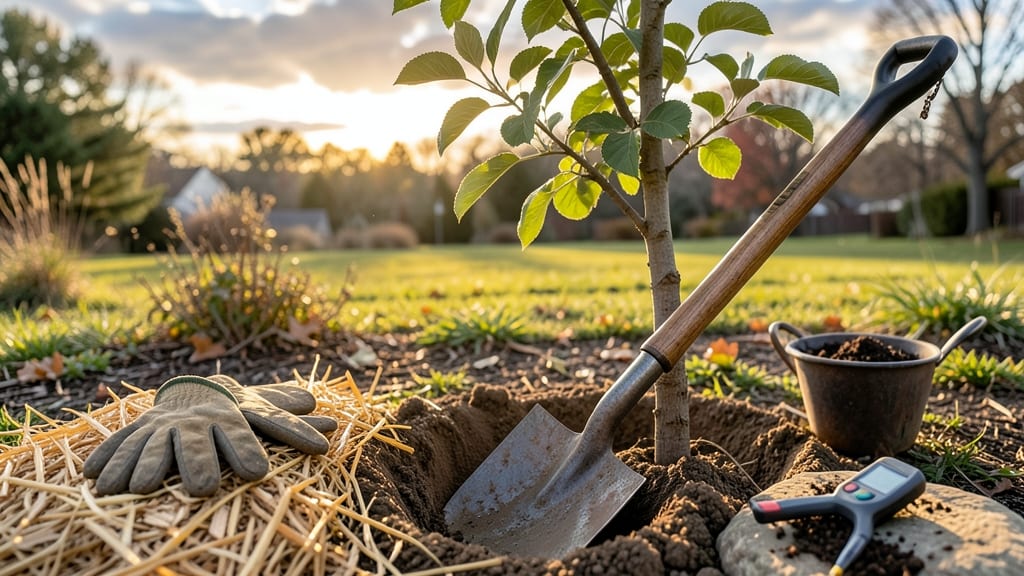
Planting an Apple Tree 🍎 in Maine isn’t just about timing—it’s about survival. With frost creeping in by October and chill-hour requirements varying wildly across the state, one wrong move could mean your young tree freezes before it ever bears fruit.
Most gardeners in USDA Zones 5b-6b know the basics—spring or fall are the go-to seasons—but Maine’s unpredictable weather demands more precision. Whether you’re in Portland’s milder coastal zone or Bangor’s colder interior, the right planting window can mean the difference between a thriving orchard and a sad, frozen sapling.
In this guide, I’ll break down exactly when to plant your Apple Tree for maximum success, from early spring’s bare-root advantage to fall’s cooler soil benefits.
You’ll also learn how to match your variety to Maine’s chill-hour zones and protect your tree from late frosts—because even the hardiest 🍎 needs a fighting chance.
Ready to set your orchard up for decades of harvests? Let’s get started with the timing that works for your corner of Maine.
Maine’s chill-hour zones: matching apple varieties to your location
Maine’s climate varies dramatically from the coastal downeast region to the western highlands, creating 5 distinct chill-hour zones that dictate which apple varieties will thrive. These chill hours—measured in hours below 45°F (7°C)—are critical for apple trees to bloom and fruit properly.
Without enough chill, your tree might flower but fail to set fruit, or worse, die back from winter stress.
For example, Downeast Maine (Zone 5b) averages just 400–600 chill hours, while the western mountains (Zone 6b) can see 1,000+ chill hours.
This means a Honeycrisp apple, which needs 800–1,000 chill hours, won’t survive in Zone 5a, but a Liberty or Cortland—both cold-hardy varieties—will thrive with 400–600 chill hours.
Here’s how to match your location to the right apple varieties, ensuring reliable fruit production and winter survival:
If you’re unsure about your chill-hour zone, check with your local Cooperative Extension office or use a weather station app to track winter lows. For example, Portland averages 600 chill hours, while Presque Isle hits 1,000+ hours.
Planting the wrong variety could mean no fruit for years, so choose wisely!
Another critical factor is pollination. Many apple varieties require a second tree for cross-pollination. For instance, Liberty needs a MacIntosh or Cortland nearby. Check the variety’s pollination group before buying—this is often labeled on nursery tags or websites.
For urban gardeners with limited space, consider dwarf or semi-dwarf varieties like Columnar Honeycrisp or Spartan. These grow 6–12 feet tall and fit well in backyards or even large containers.
Just ensure they get full sun (6+ hours daily) and well-draining soil to avoid root rot in Maine’s heavy clay soils.
Pro tip: If you’re planting in Zone 5a, opt for late-blooming varieties like Cortland to avoid late spring frosts, which can destroy blossoms. Always plant at least 2 varieties to ensure pollination and a reliable harvest.
Finally, consider rootstock. Dwarf trees on M.9 rootstock mature faster but need staking, while standard trees on MM.106 are hardier for windy coastal areas. Nurseries like Maine Orchard Nursery offer region-specific rootstock options tailored to your USDA Zone.
With the right variety for your chill-hour zone, your apple tree will not only survive Maine’s winters but thrive and produce fruit for decades.
Best planting windows in Maine: frost dates by region
Timing is everything when planting apple trees in Maine—miss the window, and your young tree could face late frost damage or struggle to establish roots before winter. The key is understanding frost-free dates and USDA Hardiness Zones 3–6, which vary dramatically from southern to northern Maine.
In southern Maine (Zones 5b–6a), like Portland or Kittery, you can plant as early as late April to early May when soil temperatures rise above 40°F. But in northern Maine (Zones 3b–4b), such as Bangor or Presque Isle, wait until mid-to-late May to avoid surprise frosts.
Pro Tip: Check your local last frost date (typically mid-May in most regions) and plant 2–4 weeks after to give roots time to establish before summer heat. For coastal areas, like Bar Harbor, expect earlier frost risks due to cold ocean currents.
Fall planting is also an option—aim for early September to mid-October—but avoid planting too late, as young roots need 4–6 weeks to establish before first frost (usually mid-October). Container-grown trees adapt better to fall planting than bare-root saplings.
For bare-root trees, plant as soon as soil is workable in spring (typically March–April in southern areas) to jumpstart root growth. Soak roots for 1–2 hours before planting to prevent drying. Container-grown trees, however, can handle spring or fall planting with minimal stress.
Use mulch (3–4 inches) around the base to insulate roots and retain moisture, especially in sandy soils common in Maine. And if you’re in a microclimate (like a sheltered valley), you might plant 2 weeks earlier than the general guideline.