
Plants
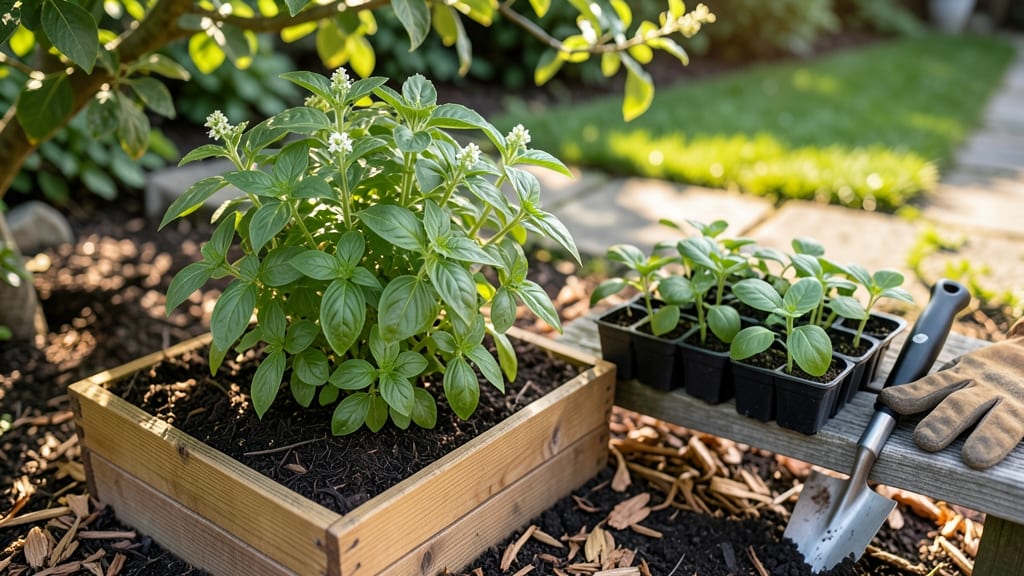
Georgia basil planting calendar: month-by-month frost-free timeline
Georgia’s USDA zones 7b-8b give you a 210-day frost-free window, perfect for growing sweet basil. But timing matters—plant too early, and cold snaps will kill your seedlings; too late, and you’ll miss peak harvests.
Here’s your month-by-month guide to planting basil in Georgia, tailored for both spring and fall harvests.
In North Georgia (Athens, Gainesville), the average last frost date is mid-March, while South Georgia (Savannah, Macon) sees frost-free soil by early March. For containers, you can push planting 2-3 weeks earlier since they warm faster.
Always check your local frost dates using the Georgia Climate Project for precision.
For spring planting, aim to sow seeds 4-6 weeks before your last frost—typically late February to early March for North Georgia and late January to February for South Georgia.
If starting indoors, use grow lights or a sunny windowsill to avoid leggy seedlings. For direct sowing, wait until soil reaches 50°F (10°C), usually mid-to-late March.
Transplant seedlings outdoors 2-3 weeks after last frost, around early April in North Georgia and late March in South Georgia. Harden off seedlings by placing them outside for 2-3 hours daily for a week before transplanting.
Use black plastic mulch to warm soil faster and deter weeds—this is a game-changer in Georgia’s clay-heavy soils.
🌱 Georgia Basil Planting Timeline
| Month | North Georgia (Athens) | South Georgia (Savannah) | Action |
|---|---|---|---|
| February | Start seeds indoors | Start seeds indoors | Use grow lights; harden off seedlings |
| March | Direct sow after last frost (mid-March) | Direct sow (early March) | Use black plastic mulch; space 12-18" |
| April | Transplant seedlings | Transplant seedlings | Pinch tips to encourage bushiness |
| August | Start fall seeds indoors | Start fall seeds indoors | Choose heat-tolerant varieties like 'Genovese' |
| September | Direct sow for fall harvest | Direct sow for fall harvest | Harvest before first frost (late Nov) |
💡 Pro Tip: Use a mini greenhouse or row covers to extend your fall planting window by 2-3 weeks.
For a fall harvest, start seeds indoors in August and transplant outdoors in September. Choose heat-tolerant varieties like 'Genovese' or 'Spicy Globe'—they handle Georgia’s late-summer heat better than standard basil.
Aim to harvest before the first frost, which typically hits late November in North Georgia and mid-November in South Georgia.
If you miss the spring window, don’t worry—container gardening lets you plant basil throughout the summer. Just ensure your pots have drainage holes and use a lightweight potting mix to prevent root rot.
Place containers in partial shade during peak afternoon heat (1-4 PM) to protect delicate leaves from sun scorch.
For extended harvests, try succession planting: sow new seeds every 2-3 weeks from March to June. This ensures a continuous supply of fresh basil for your kitchen.
In coastal areas like Savannah, humidity can lead to fungal diseases, so space plants 18 inches apart and avoid overhead watering.
Remember, basil hates cold soil. If you’re in doubt, use a soil thermometer—wait until soil reaches 50°F (10°C) before planting. For urban gardeners in Atlanta, microclimates can vary by
How to adjust basil planting for Georgia’s microclimates and soil types
Georgia’s diverse climate means basil planting times vary dramatically from Savannah’s coastal humidity to Atlanta’s urban heat islands. In North Georgia (Zone 7b), cooler temperatures delay spring planting by 2-3 weeks, while South Georgia (Zone 8a) can start earlier.
Adjust your schedule based on your specific microclimate to maximize growth.
For coastal areas like Savannah, high humidity and slower soil warming mean wait until mid-April for direct sowing. Use black plastic mulch to warm soil faster and prevent fungal issues. In contrast, Atlanta’s urban heat allows planting as early as late February in raised beds, where soil warms quicker.
🌿
🌱 Georgia Microclimate Adjustments for Basil
- 1. Coastal (Savannah, Brunswick): Plant mid-April; use shade cloth for summer protection.
- 2. Piedmont (Atlanta, Macon): Start late February-March in raised beds; mulch heavily.
- 3. North Georgia (Dahlonega, Blue Ridge): Wait until after April 15 due to late frosts.
- 4. Urban Heat Islands (Downtown Atlanta): Plant February with drip irrigation to prevent drought stress.
- 5. Clay Soils (Piedmont): Amend with compost and use container growing for better drainage.
Georgia’s clay-heavy soils in the Piedmont region can suffocate basil roots. Test your soil’s pH—aim for 6.0-7.0—and mix in 2-3 inches of compost before planting. If your area has heavy rainfall (like South Georgia), elevate containers or plant on mounds to prevent root rot.
For fall planting, adjust timing based on your microclimate too. In North Georgia, sow seeds by early August for a harvest before frost, while South Georgia can extend planting until mid-September. Use row covers to protect late-season plants from unexpected cold snaps.
In hotter inland areas like Macon, basil thrives with afternoon shade during peak summer. Choose shade-tolerant varieties like ‘Spicy Globe’ or ‘Genovese’, and water deeply in the early morning to prevent leaf scorch. Mulch with straw to retain moisture and regulate soil temperature.
💧