
Plants
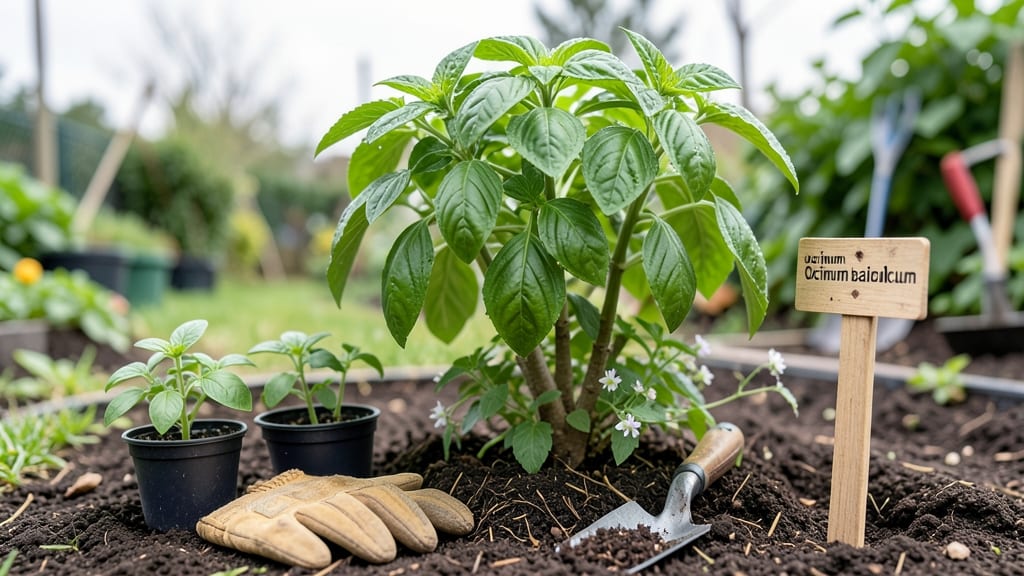
Knowing when to plant basil in Michigan could be the difference between a lush, fragrant herb garden and a sad, frost-bitten disappointment. With Michigan's 5b-6b climate, timing is everything—get it wrong, and your 🌿 basil might not survive the unpredictable spring weather.
Most gardeners in Michigan wait until mid-April to late May, after the last frost date (usually around April 15), when soil temperatures hit at least 50°F. But even then, late frosts can sneak in, so having a backup plan—like starting seeds indoors—is a smart move.
Whether you're sowing seeds directly or transplanting seedlings, understanding your specific zone and microclimate helps maximize your basil's growth. The key is balancing warmth and frost risk to give your plants the best shot at thriving from June through October.
Let’s break down the exact steps to time your planting perfectly, from soil prep to protecting your plants from Michigan’s tricky weather. You’ll learn how to extend your harvest season and avoid common mistakes that trip up even experienced gardeners.
Michigan basil planting timeline by USDA hardiness zones 4-6
Michigan’s diverse climate—spanning USDA Zones 4-6—means your basil planting window shifts depending on where you garden. In Zone 4a, where winters are harshest, you’ll need to plan 4-6 weeks earlier than in Zone 6a.
The key? Waiting until the soil warms to 50°F+ and the last frost date has passed.
Most of Michigan sees its average last frost between April 15 and May 15, but microclimates near lakes or urban areas can push this 1-2 weeks earlier.
For example, Detroit (Zone 6a) typically hits its frost-free date by April 20, while Traverse City (Zone 5b) waits until May 5. Always check your local Almanac frost predictions for precision.
Basil is a warm-season annual that hates cold soil. Planting too early—even with seedlings—can stunt growth or kill your plants outright. Instead, use these two strategies: start seeds indoors 6-8 weeks before your last frost, or buy hardy seedlings from a nursery once soil temps stabilize.
Avoid the common mistake of planting basil in March, even if you’re eager. Cold soil and lingering frost will shock roots and delay harvests.
Instead, mark your calendar for mid-April to late May—this gives your plants 120+ frost-free days to mature before Michigan’s first fall frost (usually October 15).
Here’s a quick zone-by-zone guide to help you time your planting perfectly:
| Zone | Avg. Last Frost | Ideal Planting Window | Soil Temp. Ready | Frost-Free Days |
|---|---|---|---|---|
| 4a (e.g., Marquette) | May 10 | Late May | 50°F+ | 140 days |
| 4b (e.g., Grand Rapids) | April 25 | Early May | 50°F+ | 150 days |
| 5a (e.g., Lansing) | April 15 | Mid-April to early May | 50°F+ | 160 days |
| 5b (e.g., Traverse City) | May 5 | Late April | 50°F+ | 165 days |
| 6a (e.g., Detroit) | April 20 | Mid-April | 50°F+ | 170 days |
For container gardening, you can push your window 1-2 weeks earlier by using black plastic pots or heat mats to warm soil faster. Containers also let you move plants to sheltered spots if a late frost sneaks in.
Just ensure your pots have drainage holes—basil hates soggy roots.
If you’re direct sowing seeds, wait until after Memorial Day (around May 25) in most of Michigan to avoid seed rot from cold, wet soil. For seedlings, you can plant 2-3 weeks earlier once soil is ready, as they’re hardier than seeds.
Always harden off seedlings for 7-10 days before transplanting to prevent shock.
Pro tip: Use a soil thermometer to confirm temps. Basil roots need consistent warmth—if your soil dips below 50°F, growth will stall. In Zone 4, consider starter plants from a greenhouse to skip the slow soil-warming process entirely.
Once planted, mulch with straw to retain heat and moisture. This is especially critical in Michigan’s variable spring weather, where frost can return unexpectedly even after May. With the right timing, you’ll have basil leaves ready by July—just in time for summer salads and pesto!
How to extend your Michigan basil growing season for maximum yield
Michigan’s short growing season can feel like a challenge for basil lovers, but with the right strategies, you can enjoy fresh basil from early summer all the way into fall harvests.
The key lies in protecting your plants from late frosts, extending warm weather, and using smart planting techniques tailored to Michigan’s USDA Zones 4-6.
One of my favorite tricks is using row covers or lightweight frost blankets to shield seedlings from unexpected cold snaps. These work wonders in Zone 5 and 6, where late frosts can linger into May.
Even a single night below 32°F can devastate young plants, so having these covers on hand is a game-changer.
🌱 5 Ways to Extend Basil’s Growing Season in Michigan
- 1. Start seeds indoors (6-8 weeks before last frost) for a head start.
- 2. Use black plastic mulch to warm soil faster and extend the season by 2-3 weeks.
- 3. Plant in containers for mobility—move pots indoors or under cover when nights turn chilly.
- 4. Succession plant every 2 weeks from late May to early July for continuous harvests.
- 5. Harvest aggressively to prevent bolting; pinch flowers to keep plants productive longer.
Another game-changer is succession planting. Instead of putting all your seeds in the ground at once, stagger plantings every 2 weeks from late May through early July. This ensures you’ll always have fresh basil ready to harvest, even as older plants start to fade in late summer.
For example, I plant my first batch in early May (after the last frost) and follow up with new seeds every two weeks—this keeps my kitchen stocked with fresh basil until October!
Don’t overlook the power of companion planting either. Basil thrives near tomatoes, peppers, and oregano, but it can suffer if planted near rue or sage. In Michigan’s garden, I often tuck basil near my tomato plants—it repels pests like whiteflies while adding flavor to my summer dishes.
Plus, the taller tomato plants provide shade during the hottest afternoons, which can help prevent bolting in extreme heat.
If you’re feeling ambitious, consider using a cold frame or mini greenhouse to coax an extra month of growth from your basil. These structures trap heat during the day and release it slowly at night, creating a microclimate that’s perfect for extending the season.
I’ve seen basil grown this way in Zone 5 well into November, though you’ll need to monitor for pests and diseases in the enclosed space.
Finally, remember that basil is an annual, so don’t stress about overwintering. Instead, focus on maximizing your harvest window by combining these techniques. With the right approach, you can enjoy homegrown basil for nearly half the year—something every Michigan gardener should aim for! 🌿