
Plants
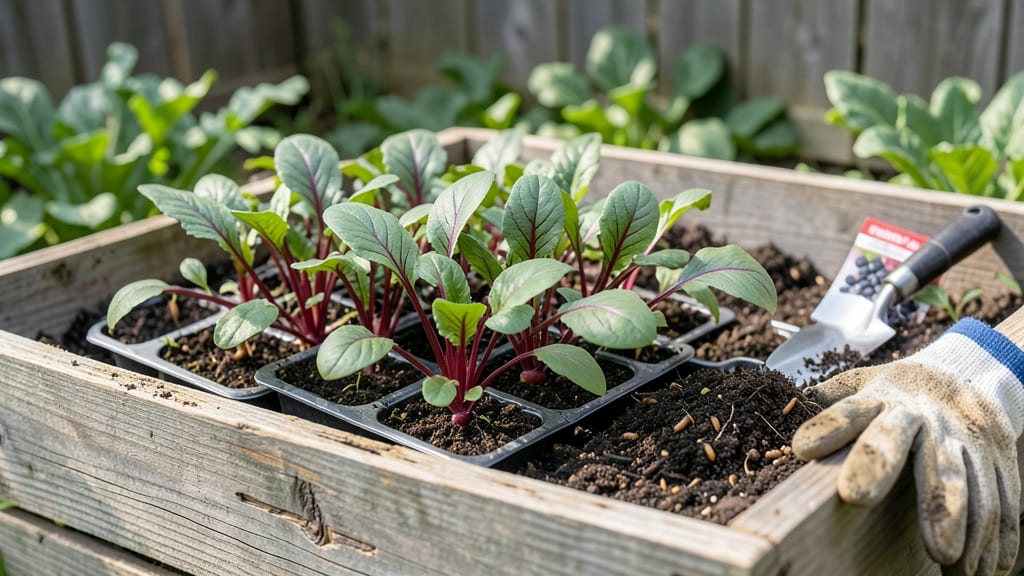
Timing your beet planting in Colorado can feel like a high-stakes game of chance—get it wrong, and you might end up with bolted greens or frost-nipped roots instead of tender, earthy 🍠 harvests.
The key lies in understanding your local frost dates and soil temperatures, which vary dramatically from the Front Range to the Western Slope.
Unlike coastal regions, Colorado’s USDA Zones 5-7 demand precision: plant too early, and a late frost will wipe out your seedlings; too late, and you’ll miss the sweetest roots before winter sets in.
The ideal window runs from March 15 to September 15, but your elevation plays a huge role—gardeners in Denver’s 5,280-foot zone face different risks than those at 8,000 feet in the mountains.
Here’s the game-changer: most Colorado gardeners actually get two harvests per year by planting in both spring and fall. I’ll show you exactly how to time it—whether you’re starting seeds indoors for an early jump or sowing directly when soil hits that 45°F sweet spot for germination.
Ready to turn your backyard into a beet bonanza? Let’s break down the frost-free window, soil prep secrets, and the best varieties for Colorado’s short but intense growing season—so you can enjoy homegrown 🍠 from June through October.
Colorado’s ideal beet planting window by region (frost dates & soil temps)
Colorado’s diverse climate—from high-altitude valleys to arid plains—means your beet planting schedule should match your USDA Zone (5-7) and local frost dates.
Most gardeners in the Front Range (Denver, Boulder) can start beets as early as mid-March, while Western Slope (Grand Junction) areas wait until late March due to later frost risks. Eastern Plains (Pueblo, Colorado Springs) typically plant 2-3 weeks earlier than Denver due to warmer microclimates.
Beets thrive in soil temperatures between 45°F and 85°F. Use a soil thermometer to confirm—below 45°F slows germination, while above 85°F causes bolting (premature flowering). In Colorado’s short growing season (90-120 frost-free days), focus on two planting windows: spring (March–April) and fall (August–September) for year-round harvests.
Pro Tip: Adjust for elevation! Add 1 week per 1,000 feet above sea level. For example, Aspen (8,000 ft) should wait until late April for spring plantings, while Fort Collins (5,000 ft) can start in early April.
| Region | Last Frost Date | Ideal Planting Window | Soil Temp Requirement | First Harvest |
|---|---|---|---|---|
| Front Range (Denver, Boulder) | Mid-April | March 15–April 15 (spring) / August 15–September 15 (fall) | 45–85°F | June–July |
| Western Slope (Grand Junction) | Late April | Late March–April 30 (spring) / August 1–September 10 (fall) | 50–80°F | July–August |
| Eastern Plains (Pueblo, CO Springs) | Early April | March 1–April 10 (spring) / August 10–September 20 (fall) | 40–85°F | May–June |
For high-altitude gardens (above 7,000 ft), opt for cold-hardy varieties like ‘Burpee’s Golden’ or ‘Detroit Dark Red’, which tolerate light frosts after germination. These varieties also resist bolting in Colorado’s cool nights, ensuring sweeter roots. Always harden off seedlings for 7–10 days before transplanting to avoid shock.
Monitor Colorado State University’s frost forecast (updated weekly) for real-time adjustments. Late May is the safest time to direct-sow beets in most regions, but succession planting every 2 weeks ensures a steady supply. Save seeds from your best beets for next year—Colorado’s dry climate preserves viability better than humid regions.
If you’re in a microclimate (e.g., near a river or urban heat island), plant 1–2 weeks earlier than the regional average. For example, Denver’s Capitol Hill (warmer than surrounding areas) can start beets by March 1, while Boulder’s flatirons may wait until March 15.
Use row covers or cold frames to extend your spring planting by 3–4 weeks. These tools raise soil temperatures by 5–10°F, accelerating germination in chilly April mornings. Remove covers once seedlings emerge to prevent overheating.
Fall plantings should begin by mid-August to harvest before first frost (mid-October). Choose smaller varieties like ‘Babybeat’ for faster maturity—these reach harvest size in 45–50 days, perfect for Colorado’s short autumn.
Track your local frost dates using the National Weather Service’s climate maps. In 2023, Denver’s last frost shifted from April 15 to May 1—a trend likely due to climate change. Adjust your schedule accordingly to avoid frost damage to tender beet greens.
How to extend your beet growing season in Colorado’s short summers
Colorado’s short growing season and cool nights can limit your beet harvest, but with smart strategies, you can enjoy fresh roots from spring to fall. The key is leveraging succession planting, cold-hardy varieties, and protective tools like row covers.
These methods help you beat Colorado’s 90-day frost-free window and maximize your yield.
Start by choosing early-maturing varieties like ‘Detroit Dark Red’ or ‘Golden Beet,’ which can be ready in just 50 days. These varieties thrive in cooler temperatures and are perfect for spring and fall plantings.
Pair them with succession sowing every 2-3 weeks to keep a steady supply of fresh beets all season long.
🌱
- 📅 Spring Planting: Sow seeds 2-3 weeks before your last frost date (typically mid-March to early April in most regions). Use row covers for extra warmth if nights dip below 45°F.
- 🌿 Succession Planting: Sow new seeds every 2-3 weeks until mid-July to ensure a continuous harvest. This works best in warmer microclimates like Denver or Boulder.
- 🛡️ Row Covers: Use floating row covers to protect seedlings from late spring frosts or early fall chills. Remove covers when temps rise above 75°F to prevent overheating.
- 🌡️ Late-Season Planting: For a fall harvest, sow seeds 6-8 weeks before your first frost (usually late July to early August). Choose cold-tolerant varieties like ‘Chioggia’ or ‘Boltardy’.
- 🌱 Container Gardening: Grow beets in deep containers (12+ inches) to extend your season. Move pots to sunny spots or greenhouses during cold snaps, especially in high-altitude areas like Colorado Springs.
Don’t overlook the power of mulching to regulate soil temperature and retain moisture. Apply a 2-3 inch layer of straw or shredded leaves around your beet plants to insulate roots and keep them growing steadily. This is especially helpful in dry, windy conditions common in Colorado’s Western Slope.
For gardeners in higher elevations (like Telluride or Crested Butte), focus on shorter-season varieties and start seeds indoors 4-6 weeks before your last frost. Transplant seedlings outdoors once soil temperatures reach 45°F and nighttime temps stay above 35°F.
This head start can add 2-3 extra weeks to your growing season.
Finally, monitor your beets closely for signs of bolting (premature flowering) caused by heat stress. If temps climb above 85°F, provide afternoon shade with shade cloth or move containers to a cooler, shadier spot.
With these strategies, you’ll enjoy a longer, more productive beet harvest—even in Colorado’s challenging climate.
☀️