
Plants
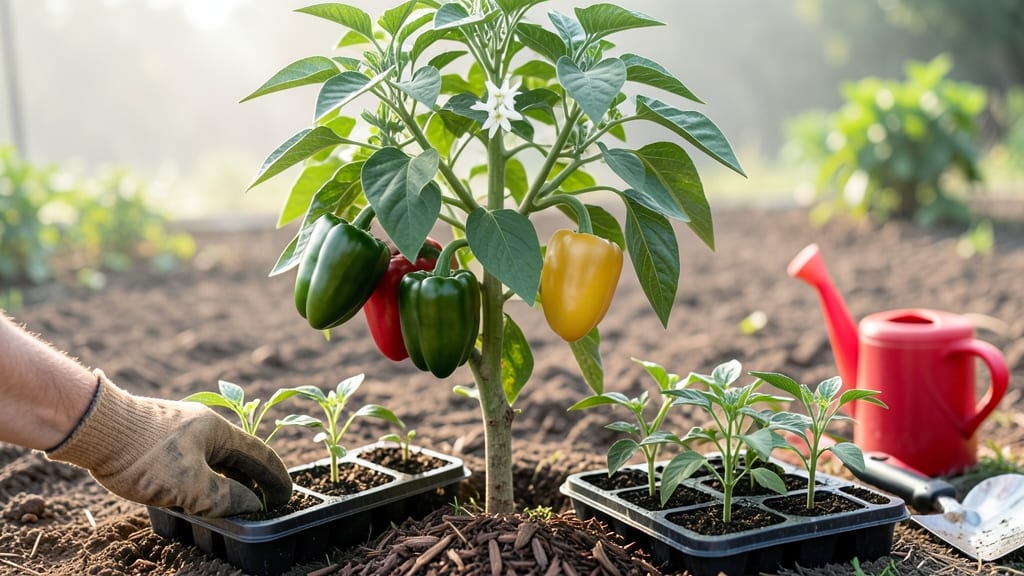
Arizona’s best bell pepper planting windows: heat-zone breakdown
Arizona’s two distinct growing seasons—spring and fall—create perfect windows for bell peppers, but timing is everything.
The Low Desert (Phoenix, Tucson) and High Desert (Flagstaff, Prescott) have different heat thresholds, so I’ll break down the ideal planting dates for each zone. Spring crops thrive when soil warms to 60°F+, while fall crops need cooler temps to avoid heat stress.
For Low Desert gardeners, the sweet spot is mid-February to mid-March for transplanting seedlings, while High Desert growers should wait until late March to early April to avoid early frost. Fall planting works best from late July to early August in both zones, giving peppers time to mature before winter chill sets in.
Here’s the key difference: Low Desert can push early varieties like ‘Early California Wonder’ (60 days to harvest) in February, while High Desert needs to stick with longer-season varieties like ‘NuMex Sandia’ (80+ days) to avoid bolting before harvest.
| Zone | Best Planting Window | Soil Temp Threshold | Variety Recommendation | Harvest Window |
|---|---|---|---|---|
| Low Desert (Phoenix, Tucson) | Mid-February to Mid-March (spring) Late July to Early August (fall) |
60°F+ | Early California Wonder (60 days) Jupiter (70 days) |
May–October (spring) October–November (fall) |
| High Desert (Flagstaff, Prescott) | Late March to Early April (spring) Late July to Early August (fall) |
65°F+ | NuMex Sandia (80+ days) Big Jim (75 days) |
June–September (spring) September–October (fall) |
🌡️ Pro Tip: Use a soil thermometer to confirm temps before planting—bell peppers hate cold soil!
If you’re starting seeds indoors, begin 8–10 weeks before your target transplant date. For Low Desert, that means mid-December to early January, while High Desert gardeners should start seeds in late January to early February.
Use grow lights to supplement winter sunlight, as Arizona’s short days can stunt seedling growth.
For direct sowing, wait until soil is consistently 60°F+—usually late March in Low Desert and mid-April in High Desert. Black plastic mulch speeds up soil warming by 5–10°F, giving you an earlier start.
I’ve seen gardeners in Phoenix plant early varieties as soon as February 15 with this trick!
One critical mistake I see often? Planting too late in summer for fall crops. If you miss the late July window, your peppers won’t mature before first frost in December. Instead, opt for shorter-day varieties like ‘Aristotle’ (60 days) to squeeze in a harvest before winter.
Microclimates matter too! Urban desert gardens (like those in Tempe or Mesa) can be 5–10°F warmer than rural areas, so adjust your planting date 1–2 weeks earlier. If your yard gets hotter than 105°F, prioritize shade cloth or drip irrigation to protect young plants.
Finally, succession planting extends your harvest. After your first spring crop is harvested in June, sow a second batch in late July for a fall harvest in October. Just remember: peppers need 75–90 days to mature, so time it right!
With these zone-specific windows, you’ll avoid the two biggest pitfalls: bolting from heat stress or frost damage. Next, I’ll show you how to beat the Arizona heat once your peppers are in the ground—shade tricks, watering hacks, and heat-tolerant varieties included!
How to extend your Arizona bell pepper season: cooling tricks for summer heat
Arizona’s summer heat can turn your bell pepper plants into wilting, fruitless shadows if you don’t act fast. The key to success? Proactive cooling strategies that mimic spring and fall conditions when temperatures dip.
With the right tricks, you can keep your peppers thriving even when the thermometer hits 105°F+—ensuring a harvest long after most gardeners have given up.
The secret lies in three core tactics: shade, soil temperature control, and watering precision. These methods create a microclimate that protects your plants while still allowing them to photosynthesize.
Let’s break down the most effective techniques—ranked by impact—so you can extend your growing season without stressing your plants (or your water bill).
🌿 Top 5 Cooling Strategies for Arizona Bell Peppers
-
1. Shade Cloth (30-50%)
Use white or silver shade cloth to block 30-50% of sunlight during peak heat (11 AM–3 PM). Hang it 3–4 feet above plants to allow airflow. Avoid black cloth—it absorbs heat and cooks your peppers. -
2. Black Plastic Mulch
Lay black plastic mulch before planting to raise soil temps by 10–15°F in spring, then remove it in summer to reflect heat away from roots. Pair with straw mulch on top to insulate roots. -
3. Drip Irrigation + Morning Watering
Water deeply at dawn (1–2 gallons per plant) to keep roots cool. Avoid overhead sprinklers—they evaporate quickly and promote fungal diseases. Use drip lines buried 2 inches deep for maximum efficiency. -
4. Heat-Tolerant Varieties
Skip standard bell peppers—opt for ‘NuMex Heritage’, ‘Carmen’, or ‘Jupiter’, which handle 95°F+ better. These varieties also produce fruit faster in heat, giving you a harvest before the season collapses. -
5. Evening Pruning + Airflow
Prune yellow or diseased leaves in the evening to reduce stress. Space plants 18–24 inches apart and train them to stake or cages for better airflow. Poor circulation = more heat stress.
Timing these strategies is everything. Start shade cloth and mulch by mid-June when temps consistently exceed 90°F. For a fall crop, remove shade by mid-September to let peppers harden off before cooler weather arrives. Pro tip: Monitor soil temps with a probe—keep them between 65–85°F for optimal growth.
Don’t forget to harvest regularly—ripe peppers left on the plant in heat speed up bolting (flowering without fruit). Pick every 3–5 days to encourage more production. With these tricks, you’ll be enjoying homegrown peppers well into October, when most Arizona gardens are already tucked in for winter.
🌶️