
Plants
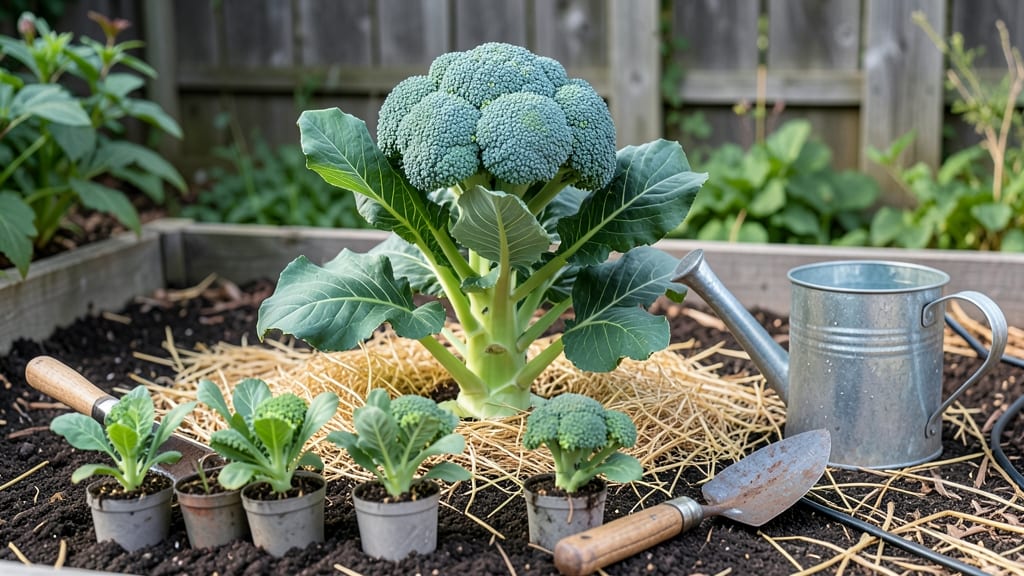
If you’ve ever watched your 🥦 broccoli plants bolt into bitter flowers instead of tasty heads, you’re not alone—especially in Arizona’s tricky climate.
The key to success isn’t just throwing seeds in the dirt; it’s planting broccoli at the exact right time to dodge the heat and frost risks that wreck crops every year.
Most gardeners in USDA Zone 9b assume fall is the only window, but timing matters more than you think. Plant too early, and the summer heat will stress your seedlings.
Too late, and frost sneaks in before harvest. I’ll break down the perfect months for Arizona’s desert and mountain regions—plus pro tips to keep your broccoli thriving when others fail.
Whether you’re a first-timer or a seasoned gardener, these strategies will help you avoid the #1 mistake that kills broccoli yields: ignoring your local microclimate. From Phoenix’s low desert to Flagstaff’s cooler highlands, we’ll cover what works where—so you can enjoy homegrown 🥦 broccoli from December through June.
Ready to stop guessing and start growing? Let’s dive into the science-backed planting schedule that’ll turn your Arizona garden into a broccoli powerhouse—no more wasted seeds or bitter surprises.
Best planting months for broccoli in Arizona by climate Zone
Arizona’s diverse climate zones—from the scorching Low Desert of Phoenix to the cooler High Desert of Prescott—demand precise timing for broccoli success. Plant too early, and your seedlings will bolt from heat; too late, and frost ruins your crop.
Here’s the exact window for each zone, including seed-starting hacks to maximize your harvest.
Broccoli thrives in 60–75°F temperatures, making Arizona’s fall and spring the only viable seasons. The Low Desert (USDA Zone 10a–11) has a shorter cool window, while the High Desert (Zone 7a–8a) can extend your growing season.
Let’s break it down by region to avoid common mistakes like premature bolting or stunted growth.
🌱 Low Desert (Phoenix, Tucson, Yuma): Your best bet is late summer to early fall (August–September) for transplanting or direct sowing in September. This zone’s extreme heat means you’ll need shade cloth and drip irrigation to keep soil moisture consistent. Avoid planting after October 15, or you risk frost damage by December.
🌿 Transition Zone (Flagstaff, Sedona): Cooler temps here let you plant 2–3 weeks earlier than the Low Desert. Aim for mid-August to October for direct sowing or transplanting. This zone’s shorter frost-free period (240 days) means you can also try a spring planting in February–March for a May–June harvest.
⛰️ High Desert (Prescott, Payson): The coolest zone in Arizona, where you can push your luck with July–August sowing for fall crops or February–March for spring. The longer growing season here (up to 270 frost-free days) allows for successive plantings every 2–3 weeks to stagger harvests.
For seed-starting indoors, begin 6–8 weeks before your target outdoor planting date. Use grow lights to simulate 14–16 hours of light daily, and harden off seedlings for 1–2 weeks before transplanting.
This is especially critical in the Low Desert, where seedlings can bolt in as little as 3 weeks if exposed to heat.
Always check your local frost dates—Arizona’s can vary wildly. For example, Phoenix’s last frost is around December 15, while Prescott’s first frost hits January 10. Plant your last fall crop by October 1 in Phoenix or October 15 in Prescott to avoid frost damage.
If you’re in a container garden, opt for dwarf varieties like ‘Calabrese’ and plant in 5-gallon pots with well-draining soil. Containers heat up faster, so bury pots halfway in the ground to stabilize soil temps and use self-watering systems to prevent moisture stress.
Remember: Broccoli hates heat. Even a single day above 85°F can trigger bolting. Use these planting windows to align with Arizona’s coolest months, and you’ll avoid the heartbreak of a failed crop. With the right timing, you’ll enjoy homegrown broccoli from December to June—no summer disappointment here!
Best planting months for broccoli in Arizona by climate Zone
Arizona’s diverse climate zones—from the Low Desert (Phoenix) to the High Desert (Prescott)—create wildly different planting windows for broccoli. In USDA Zone 9b, your best bets are fall and early spring, when temperatures stay between 60-75°F, the sweet spot for broccoli growth.
Plant too early or late, and you’ll trigger bolting (premature flowering) or heat stress. Let’s break down the ideal timing for each zone to maximize your harvest.
In the Low Desert (Phoenix, Tucson), September and October are your golden months for direct sowing or transplanting. By November, daytime temps drop to a more broccoli-friendly 70-75°F, and nights dip below 60°F, slowing growth just enough to prevent bolting.
For the Transition Zone (Flagstaff, Sedona), aim for late August to early September—cooler high-desert air means you can push planting slightly earlier than Phoenix.
Here’s the key difference: Low Desert gardeners should avoid planting after October 15, while High Desert growers can extend until mid-October thanks to cooler nights.
Spring planting is trickier—February to early March works in the High Desert, but Low Desert gardeners risk 100°F+ days by April, which will fry your plants.
Always check your local first frost date (January 10 in Low Desert, November 15 in High Desert) to time your harvest before cold snaps.
| Climate Zone | Ideal Planting Window | Transplanting Window | Harvest Window | Key Challenge |
|---|---|---|---|---|
| Low Desert (Phoenix) | September 15–October 15 | October 1–November 15 | December–January | Heat stress after October 15 |
| Transition Zone (Flagstaff) | August 20–September 15 | September 1–October 10 | October–November | Frost risk after November 15 |
| High Desert (Prescott) | August 1–September 30 | September 15–October 15 | September–December | Short growing season |
🌱 Pro Tip: Start seeds indoors 4–6 weeks before transplanting to give seedlings a head start.
For spring planting, High Desert gardeners can try late February to early March, but Low Desert growers should skip it entirely—broccoli won’t tolerate the April heat. Instead, focus on fall planting and use shade cloth (30% coverage) to protect seedlings from intense afternoon sun in September.
Always harden off transplants for 7–10 days before moving them outdoors to avoid shock.
One common mistake? Planting broccoli in July or August, thinking the monsoon rains will help. Wrong—temperatures above 85°F will cause bolting within weeks. Stick to the fall window, and you’ll avoid this pitfall.
If you’re in the High Desert, you might even squeeze in a second harvest by planting ‘De Cicco’ broccoli in late summer for a September–October crop before the first frost.
Remember: Soil temperature matters just as much as air temperature. Broccoli seeds need soil temps below 80°F to germinate properly. Use a soil thermometer to confirm—if it’s above 85°F, wait a few weeks or use shade cloth to cool the soil.
With the right timing, you’ll go from seed to harvest in 60–80 days, yielding 1–2 pounds of broccoli per plant—worth the effort!