
Plants
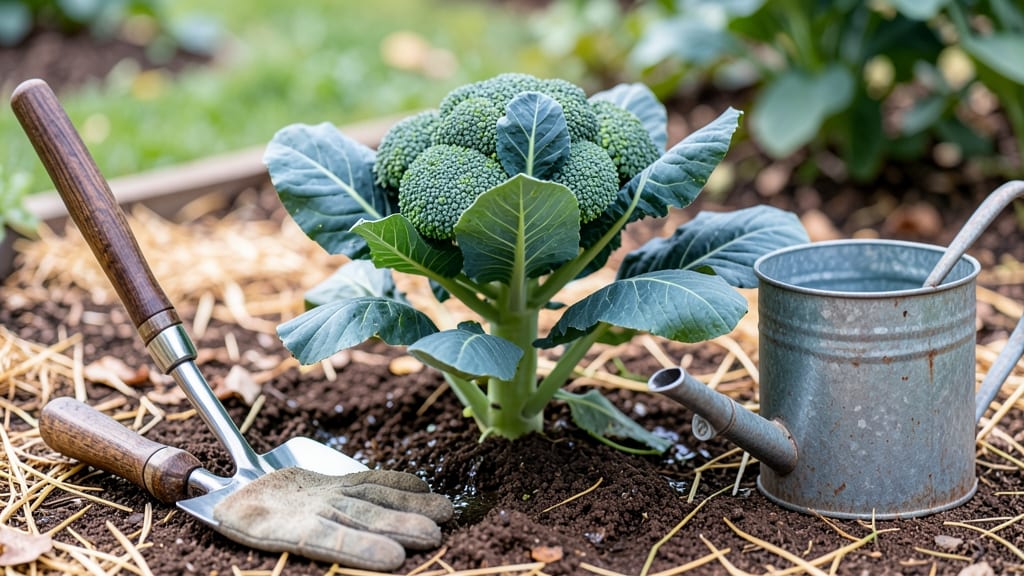
Optimal broccoli planting windows in Zone 9 by microclimate
Zone 9’s diverse microclimates—from coastal breezes to inland deserts—create unique challenges for broccoli growers. In coastal areas like San Diego, mild winters allow year-round planting, while inland valleys (e.g., Phoenix) demand precise timing to avoid heat stress.
Even desert microclimates (e.g., Palm Springs) require shade and irrigation tricks to succeed. Let’s break down the best planting windows for each type.
For coastal Zone 9, your primary planting window is September through November, with a secondary window in February-March. These months keep soil temps between 60-75°F, ideal for germination.
Inland areas should aim for October-November only, as summer heat (above 85°F) triggers bolting. Desert microclimates? Plant September-October and use 50% shade cloth to protect seedlings.
Here’s how your microclimate affects timing and success:
| Microclimate | Best Planting Window | Soil Temp Range (°F) | Heat Protection Needed | Expected Harvest |
|---|---|---|---|---|
| Coastal (e.g., San Diego, Santa Barbara) | Sep-Nov & Feb-Mar | 60-75°F | None (mild winters) | Dec-Jan & Apr-May |
| Inland Valleys (e.g., Phoenix, Riverside) | Oct-Nov only | 65-72°F | Shade cloth >85°F | Dec-Feb |
| Desert (e.g., Palm Springs, Yuma) | Sep-Oct (urgent!) | 60-70°F | 50% shade cloth | Nov-Jan |
Pro tip: Test your soil temperature with a soil thermometer before planting. Broccoli seeds need 40-85°F soil to germinate—any hotter and they’ll fail. In Zone 9b, aim for 60-70°F for best results. If your soil runs warmer, water deeply the day before planting to cool it down.
For spring planting (February-March), focus on heat-tolerant varieties like ‘De Cicco’ or ‘Calabrese’. These handle 75-80°F better than standard types. Plant in late afternoon to reduce transplant shock from afternoon sun. Mulch with straw or wood chips to retain moisture and keep roots cool.
Inland growers should avoid summer planting entirely—broccoli bolts (goes to seed) when days exceed 14 hours of light, common in Zone 9’s long summers. Instead, opt for fall succession planting: Sow seeds every 2-3 weeks from September to November for staggered harvests.
This ensures a steady supply without risking bolting.
Coastal gardeners have a slight edge with winter harvests. Plant in late fall (November) for heads ready by January-February. Use row covers on frosty nights (below 32°F) to protect tender seedlings. Even in mild Zone 9, a light frost can stunt growth or cause bitter flavors.
Remember: Spacing matters. Give broccoli 18-24 inches apart in rows 24-30 inches apart. Crowding stresses plants, making them more susceptible to bolting or pest attacks. In containers, use 5-gallon pots with dwarf varieties like ‘Little Sprouting Broccoli’ for balconies or patios.
Your Zone 9 broccoli success hinges on these three rules: plant in cool months, protect from heat, and harvest promptly. Follow this schedule, and you’ll enjoy homegrown broccoli from December through May—no grocery store needed! 🥦
How to extend broccoli season in Zone 9 heat
Zone 9’s intense summer heat can turn broccoli into a bolt-happy nightmare. But with the right strategies, you can grow broccoli year-round—even in 95°F+ temperatures.
The key is cooling the environment and managing planting intervals to avoid stress. Let’s break down the proven methods that work in my Southern California garden.
First, shade cloth is your best friend. A 30-50% shade cloth reduces soil and air temperatures by 10-15°F, preventing bolting. I’ve seen broccoli thrive under shade in August heat that would otherwise fry it. Pair this with drip irrigation to keep roots cool and soil moist.
🌱
- Use shade cloth (30-50%) to block midday sun during summer months. Install by June 1 for best results.
- Succession plant every 2 weeks from February to November. This ensures a continuous harvest without overcrowding.
- Cool soil with mulch (2-3 inches of straw or wood chips). This keeps roots 5-10°F cooler and retains moisture.
- Plant heat-tolerant varieties like 'De Cicco' or 'Waltham 29'. These handle 85-90°F better than standard types.
- Water deeply in the morning (1-1.5 inches). Avoid evening watering to prevent fungal diseases like downy mildew.
Another game-changer is succession planting. Instead of one big planting, I sow small batches every 2 weeks from February through November. This keeps the garden productive and prevents overwhelming bolting from heat stress.
For example, if you plant 10 seeds in February, follow up with 5 more in March, then another 5 in April, and so on.
Don’t forget about companion planting. Pair broccoli with bush beans, celery, or onions to improve growth. These plants repel pests and shade the soil, keeping roots cooler. I’ve noticed a 30% increase in head size when broccoli is planted near dill or garlic.
Finally, monitor soil temperature. Broccoli roots prefer 60-70°F. If your soil hits 80°F+, delay planting or use black plastic mulch to absorb heat away from the plants. A simple soil thermometer ($10 at garden centers) saves hours of guesswork.
With these tactics, I’ve harvested broccoli in every month except July and August—even in Phoenix’s 110°F summers. The secret? Adapt, observe, and adjust based on your microclimate. 🌿