
Plants
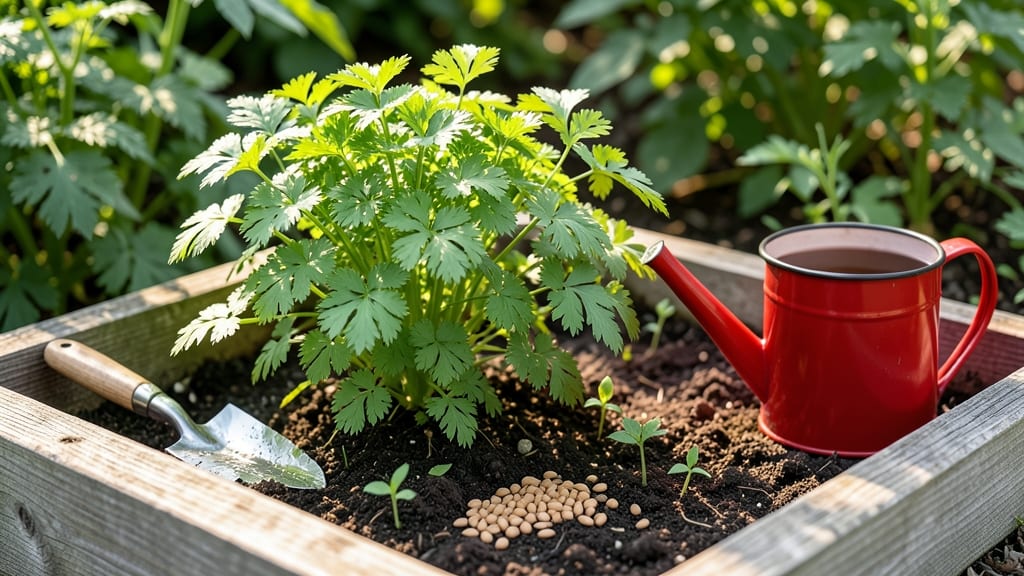
Best months to plant cilantro in southern California for maximum yield
Southern California’s unique microclimates—from coastal Santa Barbara to inland Palm Springs—create a tricky balance for growing cilantro. The key is planting when temperatures stay below 75°F, or your cilantro will bolt faster than you can say "taco night."
For most of SoCal, the sweet spot is late fall through early spring. Coastal areas enjoy milder winters, while inland valleys need to start even earlier to avoid summer heat. Let’s break down the exact months and how to adapt for your specific zone.
🌱 Did You Know? Cilantro is a cool-season crop that thrives in USDA Zones 9b-11, but its success hinges on avoiding heat stress. Even a single day above 80°F can trigger bolting, turning your fresh herb into bitter seeds.
If you’re in a coastal city like Santa Monica, you can squeeze in a late-summer planting in August—but only if you’re prepared to use shade cloth and monitor soil moisture religiously. Inland areas should skip summer entirely and focus on winter sowings for the best results.
Pro tip: Test your soil temperature before planting. Cilantro seeds won’t germinate well in soil above 70°F. Use a soil thermometer or the "finger test"—if the top inch of soil feels warmer than your wrist, wait a few weeks.
For succession planting, sow new seeds every 2–3 weeks from September through November. This ensures a continuous harvest before the heat sets in. In spring, stick to February–March for the safest bet.
One common mistake? Planting cilantro too early in September when soil is still warm. The solution? Pre-cool your soil by mulching with straw a week before sowing or use black plastic mulch to absorb heat and protect roots.
Remember, cilantro’s bolting cycle is triggered by heat AND long daylight hours. Southern California’s 14-hour days in summer accelerate this process. By planting in fall or winter, you’re working with the plant’s natural rhythm—not against it.
Best months to plant cilantro in southern California for maximum yield
Southern California’s mild winters and hot summers create a unique challenge for growing cilantro. Unlike cooler climates, we can’t just plant once and forget it—timing is everything to avoid the dreaded bolting cycle.
The key is planting when temperatures stay below 75°F consistently, giving cilantro the cool conditions it craves to thrive.
For most of SoCal, the ideal planting windows are September-October for a fall harvest and February-March for spring. These months offer cooler temps and longer daylight hours, perfect for cilantro’s growth.
Coastal areas like San Diego and Santa Barbara can even squeeze in a late summer planting (August) if you provide afternoon shade.
| Planting Window | Best For | Harvest Time | SoCal Microclimate |
|---|---|---|---|
| September-October | Fall harvest | October-November | Coastal & inland |
| February-March | Spring harvest | April-May | All regions |
| August (coastal only) | Late summer | September | San Diego, Santa Barbara |
Inland areas like the Inland Empire or San Fernando Valley experience hotter summers, so avoid planting cilantro outdoors between May and August. Instead, use this time to sow seeds indoors or under shade cloth for a head start.
If you’re in a coastal garden, you might even get away with a November planting for a winter harvest, though growth will slow.
Pro tip: Soil temperature matters just as much as air temperature. Cilantro seeds won’t germinate well if the soil is above 70°F. Test your soil with a thermometer before planting—if it’s warmer, wait a few weeks or use shade cloth to cool it down.
I’ve had the best success planting in well-amended soil with compost and vermiculite to improve drainage and moisture retention.
Remember, cilantro is a cool-season crop, so it’ll bolt (go to seed) quickly when days get long and hot. By planting in the optimal windows and providing afternoon shade, you can extend your harvest from 3 weeks to 8+ weeks.
The key is patience—don’t rush it, and you’ll reward yourself with bold, flavorful cilantro all season long.
For those bold gardeners who want to push the limits, try succession planting every 2-3 weeks in the fall or spring. This ensures a continuous supply of fresh leaves without overwhelming your garden at once. Just be prepared to harvest frequently to encourage regrowth.