
Plants
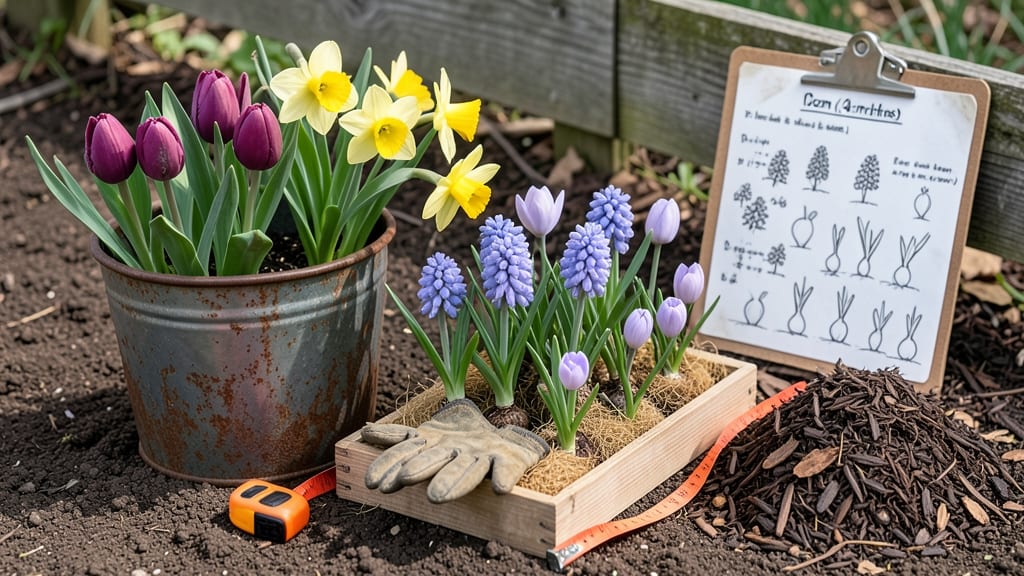
Best months to plant spring-flowering bulbs in South Carolina
Timing is critical when planting spring-flowering bulbs in South Carolina, where USDA zones 7b-8a create a unique window for root establishment. Most bulbs—like tulips, daffodils, and hyacinths—need to be planted 6-8 weeks before the ground freezes, typically between mid-September and November.
This gives roots time to anchor before winter dormancy.
For coastal SC (e.g., Charleston), aim for early September to avoid early frosts. Inland areas (e.g., Piedmont region) can plant slightly later, up to mid-November, as temperatures drop later. Bulbs planted too early may sprout prematurely, while late plantings risk frost damage.
Here’s the golden rule: Plant bulbs when soil temperatures drop to 60°F or below. Use a soil thermometer to check—this ensures roots grow but tops stay dormant until spring. In SC, this usually aligns with late September to October for most varieties.
🌱
🌷 Spring-Flowering Bulbs Planting Guide for SC
| Bulb Type | Best Planting Month | Planting Depth | SC-Specific Tip |
|---|---|---|---|
| Tulips | October | 6-8 inches | Plant in well-draining soil to prevent rot in SC’s humid winters. |
| Daffodils | September-October | 4-6 inches | Deer-resistant; ideal for woodland gardens in Piedmont. |
| Hyacinths | October-November | 6 inches | Thrives in partial shade—perfect for coastal shade gardens. |
| Crocuses | September | 3 inches | Early bloomers; plant in rock gardens for quick spring color. |
| Alliums | October | 8 inches | Drought-tolerant; great for xeric landscapes in Upstate SC. |
If you miss the ideal window, don’t panic! Some bulbs, like daffodils, tolerate late plantings into December as long as the ground isn’t frozen. However, they may bloom later the following spring. For coastal areas, prioritize September plantings—warmer soils can cause premature sprouting.
Pro tip: Amend your soil with compost before planting to improve drainage, especially in clay-heavy SC soils. A 2-inch layer of mulch after planting helps insulate bulbs and retain moisture during winter. This is especially critical in USDA zone 7b, where frosts can be unpredictable.
After planting, water deeply to settle soil around bulbs. Avoid overwatering, as soggy soil can lead to rot. In Upstate SC, where winters are slightly cooler, a light mulch of pine straw adds extra protection against freeze-thaw cycles.
For container gardening, plant bulbs in pots by late September and keep them in a cool, dark place (like a garage) until spring. This mimics natural dormancy and prevents early sprouting. Once frost risk passes, move containers to a sunny spot for blooms.
Remember: Spring-flowering bulbs need 6-8 weeks of cold to bloom reliably. In milder SC winters, some bulbs may need artificial chilling (e.g., storing in a fridge for 8-10 weeks) if planted late. This ensures they’ll flower on schedule the following spring.
🌿
Fall bulb planting guide for South Carolina’s climate zones
South Carolina’s USDA zones 7b-8a offer a unique window for planting fall bulbs, but timing is critical to avoid early frosts or soggy soil. Most bulbs need 4-6 weeks to establish roots before winter dormancy.
In SC, aim for September through mid-November, with coastal areas having a slightly longer window than the Piedmont region.
Cooler temperatures and moderate rainfall in fall make it ideal for bulbs like tulips, daffodils, and crocuses. However, late-season pests (like voles) and heavy rains can disrupt planting. Plan ahead to adjust for your specific microclimate—coastal SC stays warmer longer, while inland areas may freeze earlier.
⚠️ Callout Warning ⚠️
- Planting too late: Bulbs need 4-6 weeks to root before frost. After mid-November, risk frost damage.
- Soggy soil: Fall rains can waterlog bulbs. Ensure well-draining soil with sandy loam or raised beds.
- Skipping mulch: Apply 2-3 inches of mulch after planting to insulate bulbs and retain moisture.
- Ignoring pests: Voles and squirrels love fresh bulbs. Use wire mesh cages or repellents.
Pro Tip: Test soil moisture before planting—it should feel like a wrung-out sponge.
For coastal SC (zones 8a-8b), extend planting into early December, as milder winters delay frost. Inland areas (Piedmont) should finish by mid-November to prevent freeze damage. Use a soil thermometer to monitor temperatures—bulbs thrive when soil stays above 50°F.
Choose bulbs suited to SC’s humid summers, like daylilies or spider lilies, which tolerate heat better than traditional tulips. Plant spring-flowering bulbs (like daffodils) deeper (6-8 inches) to protect them from late frosts, while fall-blooming bulbs (like crocuses) can go shallower (3-4 inches).
After planting, water deeply to settle soil and encourage root growth. Reduce watering as temperatures drop, but avoid letting soil dry out completely. In USDA zone 7b, expect first frost around mid-November, so prioritize bulbs that can handle 20-25°F temperatures.
With the right timing and care, your fall-planted bulbs will reward you with vibrant spring blooms—just in time for SC’s warmer weather. Start early, and you’ll enjoy low-maintenance color for years to come! 🌷