
Plants
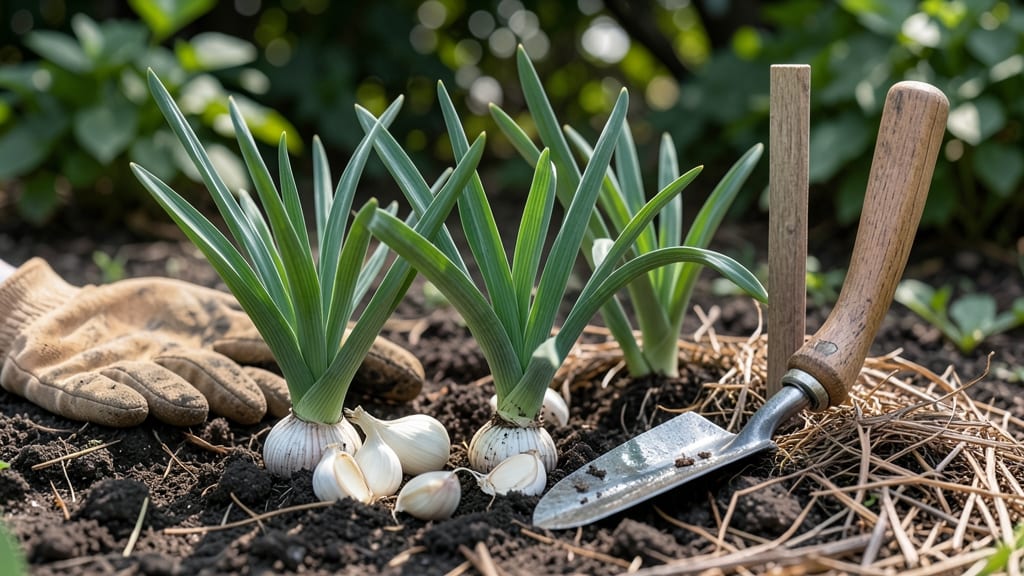
Planting garlic at the wrong time in North Carolina can turn your 🧄 dreams into disappointment—but getting the timing right guarantees bold, plump bulbs that taste like homegrown magic.
Since the Tar Heel state spans USDA zones 7a-8b, your exact planting window depends on where you live, whether you prefer hardneck or softneck varieties, and how you want to use your harvest.
Most gardeners in North Carolina know fall is the sweet spot, but the ideal window stretches from October to November, giving 🧄 enough time to establish roots before winter.
Hardneck varieties, prized for their sturdy stems and robust flavor, thrive when planted in October, while softneck types—better for braiding and storage—can handle a slightly earlier start in September.
Here’s the game-changer: soil temperature matters more than the calendar. Aim to plant when the ground cools to 40-50°F, about 4-6 weeks before the first frost (usually mid-November in most regions).
This timing ensures your garlic gets the chill it needs to form bulbs while avoiding the risks of planting too late or too early.
I’ll walk you through exactly how to time it right for your corner of North Carolina, from soil prep to frost dates, so you can grow the best garlic your neighbors will be jealous of. Let’s get started!
North Carolina garlic planting calendar: hardneck vs softneck months explained
North Carolina's diverse climate—from the Coastal Plain to the Mountains—means garlic planting times vary by USDA Zone 7a-8b. The key is planting when soil temps drop to 40-50°F, giving roots time to establish before winter dormancy.
For most of NC, this means October through November for hardneck varieties, while softneck can handle a slightly earlier window.
Hardneck garlic thrives in NC's cooler zones (like the Mountains), producing those prized scape shoots in spring. Softneck, however, is better suited for warmer Piedmont and Coastal areas where winters are milder. Both need 6-8 hours of sunlight daily, but timing your planting ensures robust bulb development.
Here’s how to align your planting with NC’s regional frost dates and garlic type:
In the Mountains (Zone 7a), aim for mid-October to avoid early frosts that can damage young plants. The Piedmont (Zone 7b) has a bit more flexibility, with late October to early November working well.
Meanwhile, Coastal NC (Zone 8a-8b) gardeners can plant softneck as late as early November, thanks to milder winters.
Pro tip: Use a soil thermometer to confirm temps are in the ideal range. If you’re in doubt, err on the earlier side—garlic planted too late may produce smaller bulbs or fail to mature fully before harvest.
For hardneck varieties, this also means missing out on those coveted garlic scapes in spring!
North Carolina’s first frost typically arrives in mid-November, but this shifts 2-3 weeks earlier in higher elevations. Planting garlic 4-6 weeks before this date ensures roots establish before dormancy.
For example, in Asheville (Zone 7a), target late October, while Raleigh (Zone 7b) can wait until early November.
Don’t overlook spring planting as a backup—though it’s not ideal. If you miss fall, you can try planting in late winter (February) for a summer harvest, but bulbs will be smaller and less flavorful.
This method works best in Coastal NC, where winters are mild enough to avoid frost damage.
For gardeners in Zone 8b (e.g., Wilmington), softneck garlic can even be planted in December, though growth will slow significantly. The key is ensuring soil temps stay above 50°F for root development. Always choose locally adapted varieties like 'Silverskin' or 'Artichoke' for softneck, or 'German Red' for hardneck.
Remember: Garlic needs 6-8 months to mature, so planting in fall ensures a late June to July harvest—just in time for summer cooking. Mark your calendar and don’t wait until the last minute! 🧄
North Carolina garlic planting calendar: hardneck vs softneck months explained
North Carolina's diverse climate—from the Coastal Plain to the Mountains—means garlic planting times vary by region. But the golden rule is simple: plant garlic 6-8 weeks before the ground freezes.
For most of NC (USDA zones 7a-8b), that means October or early November for hardneck varieties, which thrive in cooler winters.
Softneck garlic, the type often used for braiding, has a slightly wider window. You can plant it as early as late September in the Mountains or as late as mid-November in the Coastal Plain. The key is ensuring cloves establish roots before winter dormancy sets in.
If you're in the Mountains (Asheville, Boone), aim for early October—cooler temps mean garlic grows slower but stores better. In the Piedmont (Raleigh, Greensboro), mid-October works perfectly. For the Coastal Plain (Wilmington, Fayetteville), stretch to late October to avoid early freezes.
Spring planting is possible but risky in NC. If you miss fall, try February for a summer harvest, but bulbs won’t store as long. Hardneck varieties struggle in NC’s mild winters if planted too late.
Always plant whole, firm cloves (not pre-sprouted) with the pointy end up, 2 inches deep, and 4 inches apart. Mulch with straw or leaves after planting to protect from winter temperature swings.
Timing isn’t just about months—it’s about soil temperature. Wait until the ground cools to 40–50°F (use a soil thermometer). Planting too early in warm soil can encourage rot.