
Plants
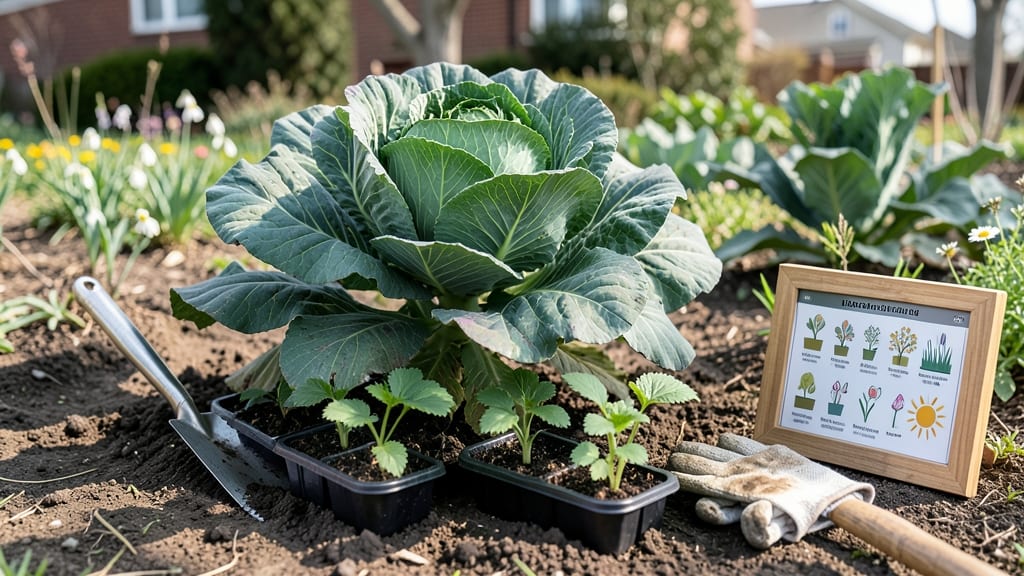
Timing your cabbage planting in Michigan can feel like a high-stakes game—get it wrong, and you might end up with bitter, bolted greens instead of sweet, crisp heads.
The good news? Michigan’s short growing season actually works in your favor if you know the exact windows to plant for spring and fall harvests.
Whether you’re a first-timer or a seasoned gardener, nailing the March 15–April 30 spring window or the July 15–August 15 fall slot is the key to avoiding frost damage and maximizing your 🥬 harvest.
I’ll break down how to read Michigan’s unpredictable frost dates, choose the right varieties, and even stretch your season with smart planting tricks.
You’ll also discover why transplanting too early or too late can ruin your crop—and how to adjust for Michigan’s Zone 5b-6b quirks, like those sneaky early cold snaps.
By the end, you’ll have a foolproof plan to grow cabbage that’s ready to harvest in June-July (spring) or October-November (fall), no matter where you are in the state.
Let’s get your garden on track for a bumper crop—without the guesswork.
Michigan cabbage planting calendar: frost dates and optimal windows
Michigan’s Zone 4-6 climate demands precise timing for cabbage success. The average last frost date hovers around mid-April in most regions, but northern areas (like Traverse City) can see frost as late as May 10.
Southern Michigan (Detroit area) typically warms up by April 15. These variations mean your planting window must adapt—miss it by even a week, and you risk bolted or stunted plants.
For spring cabbage, start seeds indoors 4-6 weeks before your last frost date. In Michigan, this means mid-February to early March for most gardeners. Transplant seedlings outdoors 2-3 weeks before the last frost, or when soil temps hit 45°F.
This timing ensures strong, frost-resistant seedlings ready for Michigan’s unpredictable early spring temperature swings.
Fall cabbage requires its own strategy. Plant seeds or transplants 10-12 weeks before your first frost (typically mid-October). In Michigan, this translates to July 15 to August 15.
Late summer’s warmth gives cabbage enough time to mature before frost, while avoiding the heat stress that can cause bolting in September’s 85°F+ days.
Here’s where variety selection matters most. Heat-tolerant varieties like ‘Golden Acre’ or ‘Cavalo’ handle Michigan’s summer heat better than standard green cabbage. For fall, cold-hardy types like ‘January King’ or ‘Savoy King’ survive light frosts (28°F) without damage.
Michigan’s northern regions (like Marquette) have shorter growing seasons, so adjust your timeline by 2 weeks earlier for spring planting.
Southern Michigan gardeners can push spring planting to May 1 safely, but avoid planting after June 1—cabbage planted this late will bolt before forming heads due to Michigan’s long daylight hours in summer.
Pro tip: Use Michigan State University’s frost date maps to pinpoint your exact last frost date. Enter your ZIP code into their Garden Tool (link in resources) for hyper-localized advice.
For example, Grand Rapids averages a last frost of April 25, while Battle Creek warms up by April 10.
For fall cabbage, time your last planting by maturity dates. Most varieties take 75-100 days to harvest. If you plant ‘January King’ on August 1, you’ll harvest in late October, just before hard frosts hit. Late plantings (after August 20) risk immature heads before frost.
Remember: Soil temperature matters more than air temperature. Use a soil thermometer to confirm 45°F+ before transplanting. Cold soil slows root growth, leaving seedlings vulnerable to Michigan’s late spring frosts. If soil stays below 40°F, wait another week—your patience will pay off with stronger plants.
🥬
How to extend Michigan’s short cabbage growing season: succession planting tips
Michigan’s short growing season (just 165 frost-free days) demands smart strategies to maximize your cabbage harvest. By using succession planting and cold-hardy varieties, you can stretch your harvest from June through November. The key? Planting in 2-3 week intervals and protecting young plants from late frosts.
Start your first batch of cabbage 4-6 weeks before your last frost date (typically March 15–April 15 in Michigan). For fall crops, begin July 15–August 15, giving plants 10-12 weeks to mature before the first frost (mid-October).
Varieties like ‘January King’ or ‘Winterbor’ are ideal—they tolerate 20°F and sweeten after frost.
🌱 Pro Tips for Succession Planting in Michigan
- 1. Stagger plantings every 2-3 weeks from March to August for continuous harvests.
- 2. Use row covers or cold frames to extend early spring plantings by 2-3 weeks.
- 3. Choose fast-maturing varieties (60–75 days) like ‘Golden Acre’ for late summer.
- 4. Mulch with straw to insulate roots and protect from late-season frosts.
- 5. Harvest outer leaves first from leafy varieties (e.g., ‘Red Express’) to prolong production.
For fall cabbage, prioritize late-July plantings to avoid bolting from Michigan’s hot August temperatures. If your garden stays warm, opt for shade cloth (30–50%) to protect seedlings. In northern Michigan (Zone 4), start seeds indoors in late March and transplant hardened-off seedlings after the last frost.
Don’t forget raised beds—they warm up faster in spring and drain better, giving you a 2-week head start on planting. If space is limited, focus on compact varieties like ‘Miniature Drumhead’, which mature in just 55 days.
Pair them with broccoli or kale for a low-maintenance brassica family that shares similar care needs.
Protect your fall cabbage with floating row covers until heads form. This trick adds 10–14 days of frost protection, letting you harvest into late October or even November in sheltered spots. Just remember: Remove covers during pollination (if growing open-pollinated varieties) to prevent insect stress.
To summarize, Michigan’s short season rewards planning. Use succession planting, cold-hardy varieties, and protective tools to turn your garden into a year-round cabbage powerhouse. With these tricks, you’ll enjoy homegrown cabbage from June to November—no guessing game required! 🥬✂️🌡️