
Plants
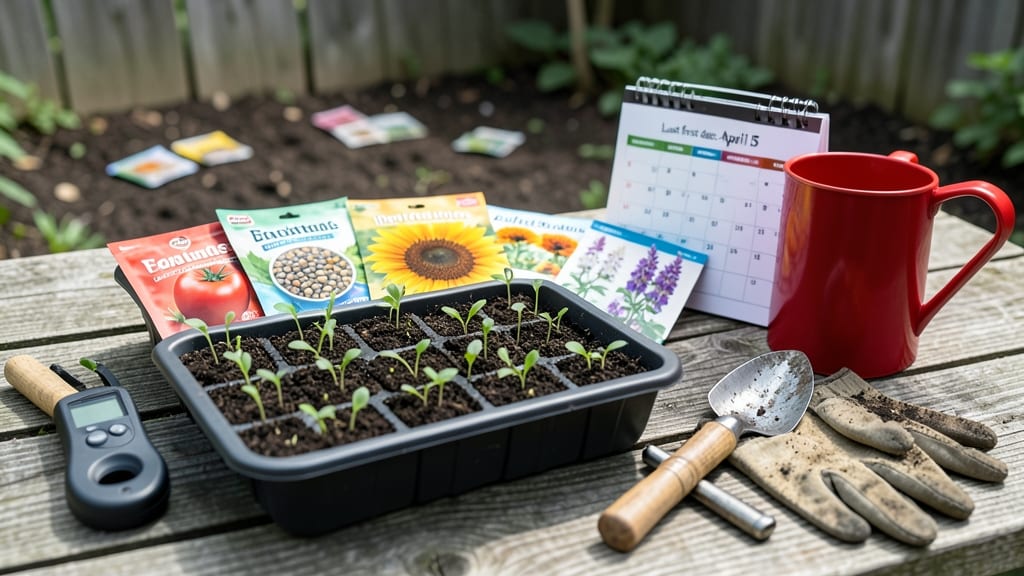
Knowing when to plant seeds in Zone 6 can mean the difference between a thriving garden and a frustrating season of lost seedlings. If you've ever watched frost nip your tender 🌱 General Seeds just as they sprouted, you're not alone—timing is everything in Zone 6's unpredictable climate.
The key isn't just memorizing dates; it's understanding how last frost dates (typically mid-April to early May) and soil temperature work together. Plant too early, and you risk losing your hard work to a surprise freeze. Delay too long, and you might miss the sweet spot for your favorite crops.
In this guide, I'll walk you through the exact month-by-month schedule for cool-season and warm-season plants, plus how to adjust for your specific microclimate. Whether you're a beginner or a seasoned gardener, these tips will help you maximize your growing season.
You'll also discover how to extend your planting window with simple tools like row covers and cold frames—so you can grow more, no matter what Zone 6 throws your way.
Zone 6 seed planting calendar: exact month-by-month schedule for frost-free success
Mastering the Zone 6 planting schedule means knowing your last frost date (typically mid-April to early May) and first frost date (usually mid-October to early November). These dates create your frost-free window, which lasts about 165 days in most of Zone 6.
Cool-season crops like lettuce and spinach thrive in early spring or late summer, while warm-season crops such as tomatoes and peppers need warmer soil to germinate.
To maximize your harvest, plan for two planting seasons: spring (after last frost) and fall (4-6 weeks before first frost). Start warm-season seeds indoors 6-8 weeks before your last frost date to give them a head start.
For cool-season crops, direct-sow seeds as soon as the soil is workable—often in early March—but protect them with row covers if frost threatens.
Here’s a quick reference for ideal planting months in Zone 6, broken down by crop type. Use this as your guide, but always double-check with your seed packet instructions and local weather patterns.
For cool-season vegetables, focus on March through April and August through September.
These crops handle cooler temperatures and can even tolerate light frosts. Lettuce, spinach, and kale are perfect for early spring plantings, while broccoli and cabbage can be sown in late summer for a fall harvest. Always aim to harvest before hard frosts hit in late fall.
Warm-season crops like tomatoes, peppers, and squash need warmer soil temperatures (at least 60°F) to germinate successfully. In Zone 6, this typically means waiting until late May. Start these seeds indoors in March or April to give them a jumpstart. If you’re eager to plant earlier, use black plastic mulch to warm the soil faster.
Don’t overlook flowers and herbs, which can be planted in both spring and fall. Marigolds and zinnias are great for early spring color, while basil and cilantro thrive in cooler fall weather.
Many herbs, like parsley and dill, are biennials and can be planted in early spring for a fall harvest.
Extend your growing season with tools like cold frames, row covers, or even a simple cloche. These can push your last frost date back by weeks or even months, allowing you to plant cool-season crops earlier or warm-season crops later in the season.
Pro tip: Keep a gardening journal to track your local frost dates and adjust your planting schedule each year. Weather patterns shift, and your notes will help you fine-tune your timing for maximum success.
5 Critical factors that determine your exact planting dates in Zone 6
Planting seeds in Zone 6 isn’t just about checking a calendar—it’s about understanding your unique growing conditions. The last frost date (typically mid-April to early May) is just the starting point.
Your soil temperature, microclimate, and even seed packet instructions can shift your planting window by weeks. Ignoring these factors often leads to weak seedlings or wasted seed packets.
For example, cool-season crops like lettuce and peas can handle 40°F soil, while warm-season crops like tomatoes need soil to warm to at least 60°F. A simple soil thermometer (just $10) can save you from planting too early.
I’ve seen beginners rush to plant tomatoes in April only to watch their seeds rot in cold soil—don’t make that mistake!
- 1. Last Frost Date: Use Zone 6’s average last frost (April 15–May 1) as your baseline, but verify with local weather data.
- 2. Soil Temperature: Warm-season seeds (60°F+) won’t sprout in cold soil—wait for consistent warmth.
- 3. Microclimate: South-facing beds warm faster; shaded areas stay cooler—adjust planting dates accordingly.
- 4. Seed Packet Guidelines: Some seeds (like basil) need 6–8 weeks indoors before transplanting.
- 5. Frost History: Check 3–5 years of frost records—some years break early, others linger late.
Don’t overlook microclimates in your garden. A raised bed in full sun might be ready for tomatoes 2 weeks earlier than your in-ground soil. I test my beds with a soil thermometer every morning in April—it’s the only way to know for sure.
Pro tip: If your soil is below 50°F, hold off on planting warm-season crops like peppers and cucumbers.
Another game-changer? Frost-free date calculators. Websites like the National Weather Service or apps like PlantNet let you input your ZIP code for hyper-localized frost predictions. I’ve used these to adjust my fall planting by 1–2 weeks—sometimes pushing my kale or spinach into October when the forecast looks safe.
Finally, seed packet instructions aren’t just suggestions—they’re data-driven advice. If a packet says “plant after last frost” for tomatoes, but your soil is still chilly, don’t rush it.
I’ve learned the hard way that cold soil + warm seeds = failed germination. Always cross-reference packet guidelines with your local conditions.
By mastering these 5 factors, you’ll avoid the Zone 6 planting pitfalls that trip up beginners. Start with your last frost date, then fine-tune with soil temp and microclimate tweaks. Your garden will thank you with stronger starts and bigger harvests all season long. 🌱