
Plants
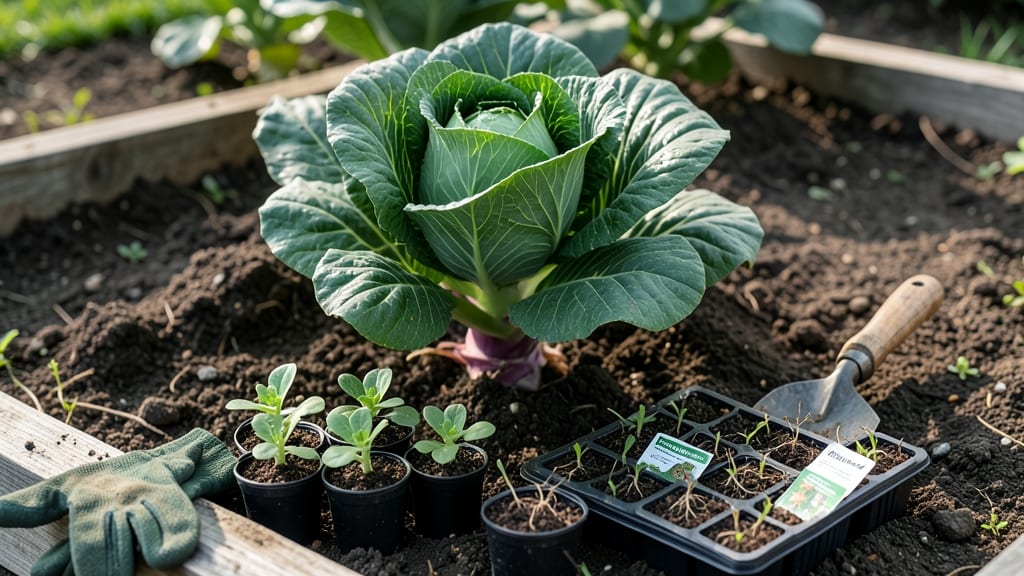
Knowing when to plant cabbage in Zone 7b can make or break your harvest—especially when summer heat lurks just around the corner. 🥬 If you've ever watched your crisp, green heads turn bitter or bolt before reaching maturity, you're not alone.
Cabbage thrives in cooler weather, but Zone 7b's warm springs and summers demand precise timing. Plant too early, and your seedlings may bolt from the heat; too late, and your heads won't mature before frost.
The key is balancing soil temperatures, frost dates, and variety selection to ensure a steady supply of fresh, firm cabbage.
In this guide, I'll walk you through the exact planting windows for both spring and fall crops, plus pro tips for starting seeds indoors or direct-sowing. Whether you're a first-time gardener or a seasoned grower, these strategies will help you avoid common mistakes and maximize your harvest.
Ready to grow cabbage that's sweet, crisp, and ready to harvest? Let's dive into the perfect timing for your Zone 7b garden—no guesswork required.
Optimal planting dates for cabbage in Zone 7b: early vs late season
Cabbage thrives in Zone 7b when planted during cool seasons—spring and fall—avoiding the brutal summer heat that triggers bolting (premature flowering). The key is timing your planting windows to align with soil temperatures between 45°F and 85°F, where cabbage grows best without stress.
For spring planting, aim to sow seeds 4–6 weeks before your last frost date (typically mid-March to early April in Zone 7b). This gives seedlings time to mature before summer’s heat arrives.
Fall planting, however, is often more reliable—start seeds 8–10 weeks before your first frost (around late July to early August) for a harvest in October or November.
Here’s the critical timeline to avoid common mistakes: Plant too early, and seedlings may rot in cold soil. Plant too late, and heat will turn your cabbage into a bitter, flowering mess.
Zone 7b’s 180 frost-free days give you just enough time for two full growing seasons if you plan carefully.
Succession planting is your secret weapon in Zone 7b. Instead of one massive planting, sow small batches every 2–3 weeks during spring and fall. This ensures a continuous harvest and reduces the risk of losing your entire crop to bolting or pests. For example, plant one row in March, another in April, and a final row in August for a staggered harvest.
Heat stress is cabbage’s worst enemy in Zone 7b. When temperatures exceed 80°F for prolonged periods, plants bolt (send up flower stalks) or develop bitter, tough leaves. To combat this, choose shade-cloth (30–50% coverage) for afternoon protection or opt for bolting-resistant varieties like 'Golden Acre' or 'Early Jersey Wakefield'.
Don’t overlook soil temperature—cabbage seeds need soil at least 45°F to germinate. Use a soil thermometer to check before planting. If your soil is too cold, wait a few days or use black plastic mulch to warm it faster.
In Zone 7b, this is especially critical for early spring plantings when soil can still be chilly.
For direct sowing (planting seeds outdoors), aim for mid-March to early April for spring or late July to early August for fall. If you prefer transplants, start seeds indoors 6–8 weeks before your last frost date (early February for spring, late June for fall).
Harden off seedlings for 7–10 days before transplanting to prevent shock.
Pro tip: Mark your calendar with these Zone 7b-specific deadlines:
- Last frost date: March 15 (average)
- First frost date: November 15 (average)
- Heat threshold: Avoid planting after May 15 (unless using heat-tolerant varieties).
By mastering these planting windows, you’ll grow crisp, sweet cabbage instead of struggling with bolting or stunted growth. Zone 7b’s climate is challenging, but with the right timing, you’ll enjoy a bountiful harvest twice a year—spring and fall.
How to adjust planting times for different cabbage varieties in Zone 7b
Not every cabbage variety thrives in Zone 7b’s heat and humidity—some bolt early, others struggle to mature before frost. Green cabbage, red cabbage, Savoy, and bok choy all have unique timing needs, and choosing the wrong one for your season can mean wasted effort.
Let’s break down when to plant each for a successful harvest in your climate.
Green cabbage (like ‘Golden Acre’ or ‘Market Price’) is the most heat-tolerant variety for Zone 7b. It handles late summer heat better than others, making it ideal for August–September plantings. These varieties mature faster (about 70 days), so they’re perfect for fall harvests before frost hits in November.
For red cabbage (such as ‘Ruby Perfection’), aim for early spring (March–April) or late summer (August). Red cabbage is more sensitive to heat—planting it in July or August risks bolting, especially if temperatures exceed 85°F.
Start seeds indoors 6–8 weeks before your last frost (around February) for spring plantings.
Savoy cabbage (like ‘Blue Vantage’) has wrinkled leaves and a longer growing season (80–90 days), so it’s best planted early spring (March) or late summer (August). Its tolerance for cooler temps makes it great for fall harvests, but avoid planting after September 1st—it won’t mature before frost.
| Variety | Best Planting Window | Days to Maturity | Zone 7b Notes |
|---|---|---|---|
| Green Cabbage | March–April (spring) or August–September (fall) | 60–70 days | Heat-tolerant; ideal for late summer plantings. |
| Red Cabbage | February–March (indoors) or August (direct sow) | 70–80 days | Sensitive to heat; avoid July plantings. |
| Savoy Cabbage | March (spring) or August (fall) | 80–90 days | Longer season; best for cooler fall harvests. |
| Bok Choy | April–May or September–October | 30–45 days | Fast-growing; great for succession planting. |
Bok choy is the fastest-growing option, maturing in just 30–45 days, making it perfect for succession planting in April–May or September–October. Its quick cycle means you can squeeze in multiple harvests before frost. For bok choy, direct sow seeds every 2–3 weeks starting in April for a continuous supply.
If you’re new to cabbage growing, start seeds indoors for spring plantings—this gives you a head start before the March 15 last frost date. For fall plantings, transplant hardened-off seedlings in August to ensure they mature before November’s first frost.
Avoid July plantings unless you’re growing heat-tolerant green cabbage, as most varieties will bolt or struggle in Zone 7b’s summer heat.
Pro tip: Use shade cloth (30–50%) for midday shade in summer to protect delicate varieties like red cabbage. This simple trick can extend your growing season by weeks and prevent bolting.
Pair your cabbage with radishes or lettuce in the same bed—they thrive in similar conditions and help maximize space in your garden.