
Trees
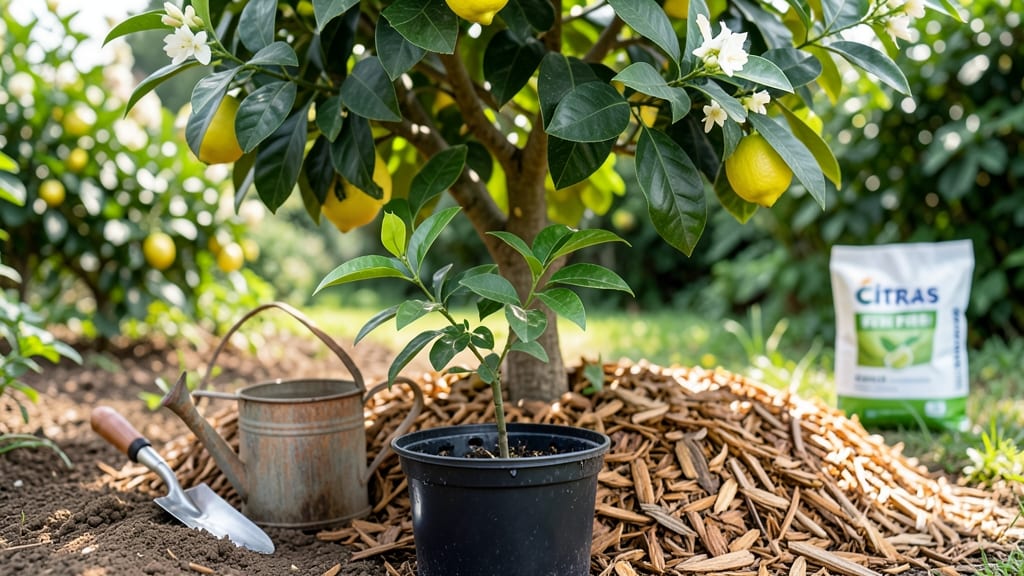
Best planting months for citrus trees by Southern California microclimate zone
Southern California’s microclimates create unique challenges for citrus growers. Unlike northern regions, we don’t have to worry about frost damage year-round, but coastal areas experience cooler temperatures and more humidity than inland desert zones.
This means your planting window can vary dramatically depending on where you live—whether you’re in San Diego’s coastal fog belt or Palm Springs’ desert heat.
For fast germination and robust root establishment, I recommend focusing on late winter through early spring (January to March) as the ideal window. This timing aligns with natural rainfall patterns in many areas and avoids the extreme heat of summer, which can stress young roots.
However, container-grown citrus trees can be planted year-round with proper care, especially in frost-free zones.
Let’s break down the best planting months for each Southern California microclimate zone, including soil temperature requirements and frost risk factors. Understanding these nuances will help you choose the perfect time to plant your Valencia oranges, Meyer lemons, or Calamondin limes.
If you’re planting bare-root citrus trees, aim for January or February when soil temperatures are ideal for root establishment. For container-grown trees, you have more flexibility—just avoid planting during heatwaves (above 90°F/32°C) or winter storms, which can displace young roots.
In coastal areas, watch for Santa Ana winds in fall, which can dry out soil quickly.
Pro tip: Soil temperature is more critical than air temperature for citrus germination. Use a soil thermometer to confirm your soil is at least 60°F (15°C) before planting. In desert zones, this might mean waiting until November, while coastal areas can plant as early as January.
For fastest growth, I recommend planting dwarf or semi-dwarf varieties like ‘Improved Meyer Lemon’ or ‘Calamondin’, which establish roots quicker in Southern California’s well-draining soils. These varieties also handle our variable microclimates better than standard-sized trees.
One common mistake I see is planting citrus trees in summer without proper shade acclimation. Young trees can suffer from heat stress or transplant shock if exposed to full sun immediately.
If you must plant in summer, provide 50% shade cloth for the first 2–3 weeks and water deeply every 2–3 days.
Remember, Southern California’s frost-free climate is a huge advantage, but microclimate differences still matter. By aligning your planting schedule with your local zone’s soil temperature and weather patterns, you’ll give your citrus tree the best chance to thrive and produce abundant fruit for years to come. 🌱
How to prepare your soil and site for fast citrus germination in Southern California
Southern California’s fast-draining soils and variable moisture levels demand careful prep before planting citrus. Unlike northern climates, our USDA Zones 9b-11 require well-aerated, slightly acidic soil (pH 6.0-7.0) to prevent root rot while supporting nutrient uptake.
Start by testing your soil’s pH—most local nurseries offer kits for under $10, or send a sample to the UCD Soil Lab for professional analysis.
Citrus trees hate waterlogged roots, so amend heavy clay soils with 3-4 inches of compost or sand mixed into the top 12 inches. For sandy soils common in coastal areas, blend in peat moss or coconut coir to retain moisture without suffocating roots.
My go-to mix? 60% native soil, 20% compost, 15% sand, and 5% perlite—this mimics the well-draining conditions of their native Mediterranean habitats.
Key Takeaway: Soil Prep for Citrus Success
Location matters just as much as soil. Plant your citrus tree in a sun-drenched spot with 6+ hours of direct sunlight daily—coastal areas may need afternoon shade to prevent leaf scorch from intense summer sun.
Inland zones like the Inland Empire can handle full sun year-round, but avoid low-lying areas where cold air pools (even a rare 30°F night can damage young trees).
My Valencia orange tree thrives in a south-facing slope in my San Diego garden, where it gets morning sun and afternoon breeze.
Mulching is non-negotiable in Southern California’s drought-prone summers. Apply 3-4 inches of wood chips or straw around the base, keeping it 2-3 inches away from the trunk to prevent rot. Organic mulch slowly releases nutrients, suppresses weeds, and maintains even soil moisture.
Replenish mulch annually in spring—this simple step can double your tree’s survival rate in our hot, dry climate. Pro tip: Use dried citrus peels as mulch for a natural pest deterrent!
For container-grown citrus (like dwarf Meyer lemons), use a fast-draining potting mix with 50% inorganic material (perlite, pumice, or lava rock) to prevent root suffocation. Add a slow-release fertilizer at planting time, and place pots in wheelbarrows or raised beds to improve drainage.
I’ve seen root rot wipe out entire groves in heavy clay—don’t let that happen to your $50 lemon tree!
Finally, water deeply but infrequently to encourage deep root growth. Newly planted citrus need 1-2 gallons of water weekly (more in summer), but established trees can survive on bi-weekly deep waterings.
Use a soaker hose or drip irrigation to deliver water slowly at the root zone, avoiding wetting leaves to prevent fungal diseases like citrus greening. My 10-year-old lime tree hasn’t needed extra water since I switched to this method—proof that consistency beats frequency!