
Plants
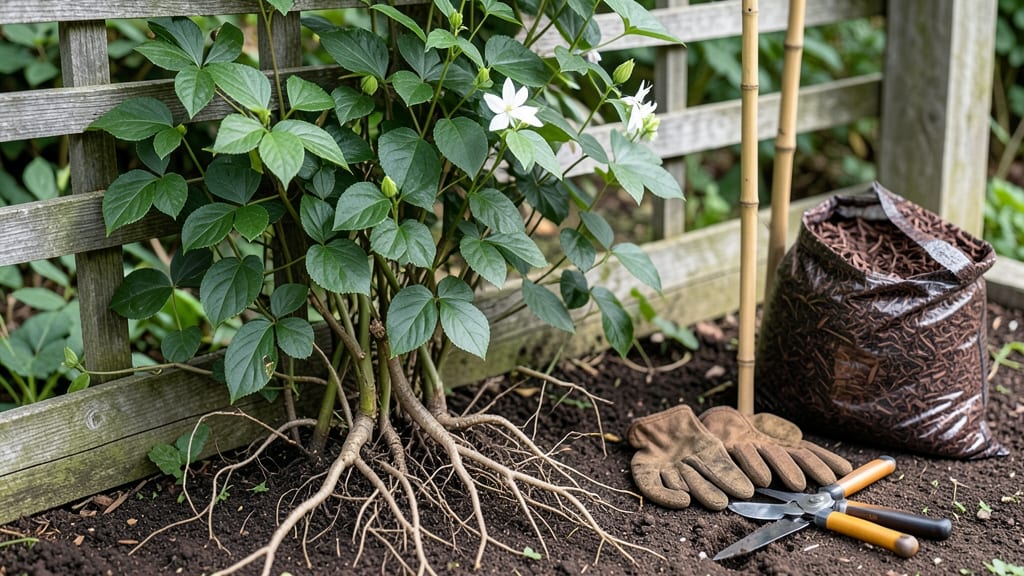
Timing your clematis planting in Ohio wrong could mean waiting years for those dreamy 🌸 blooms—or worse, watching your vine struggle to survive.
The difference between a thriving vine and a sad, stunted plant often comes down to a few weeks in the calendar, and Ohio’s unpredictable spring weather makes this even trickier.
If you’re in USDA Zone 6a, like most of Ohio, the ideal window is narrow but critical: early spring (March to early April) or early fall (September to early October). Planting too early risks frost damage, while waiting too long means your clematis won’t establish roots before winter hits.
I’ll break down exactly what to watch for—so you can avoid common mistakes and give your vine the best shot at success.
Why does this matter? Because clematis are finicky about soil temperature and moisture, and Ohio’s climate swings from freezing winters to humid summers in a heartbeat.
The right timing ensures your plant gets a strong start, whether you’re dealing with heavy clay soil in the north or faster-draining ground in the south. Let’s get into the specifics so you can plant with confidence.
You’ll learn how to read your garden’s cues—like soil warmth and frost dates—and align them with your clematis’s needs. No more guesswork, just a clear, step-by-step plan tailored to Ohio’s unique growing conditions. Ready to set your vine up for a lifetime of stunning blooms? Let’s dive in.
Ohio’s best planting months for clematis: zone-specific guidelines
Ohio’s USDA zones 5-7 create a unique challenge for clematis growers—too early, and frost threatens tender roots; too late, and your vine struggles to establish before winter.
The ideal planting window depends on your zone, but most Ohio gardeners should aim for early spring (March-April) or early fall (September-October) when soil temperatures stabilize above 40°F.
In northern Ohio (zones 5-6), where last frosts linger until mid-April, planting in late April or early May gives clematis a head start before summer heat arrives.
Meanwhile, southern Ohio (zone 7) gardeners can plant as early as March or extend fall planting into October before first frosts hit.
Let’s break down the perfect planting months for each Ohio zone, including soil temperature targets and key climate considerations that separate success from failure.
🌸
Spring planting in Ohio offers the advantage of warmer soil temperatures and longer daylight hours, which help clematis establish roots quickly. However, fall planting (September-October) is often preferred because it allows roots to grow undisturbed before winter dormancy, resulting in earlier and more abundant blooms the following year.
For container-grown clematis, you can push these windows slightly—planting as late as May in spring or as early as November in fall—but be prepared to provide extra winter protection like burlap wraps or frost cloth.
One critical Ohio-specific factor is humidity. Clematis thrives in moderate humidity (40-60%), but Ohio’s summer heat and high humidity can stress young plants. If planting in late spring, choose a morning-sun location to reduce afternoon heat stress.
🌿
Pro tip: Use a soil thermometer to confirm soil temperatures before planting. Clematis roots need consistent warmth—if your soil is still below 40°F, wait at least 2-3 weeks for better establishment.
Signs your Ohio soil and climate are ready for clematis planting
Clematis thrives in Ohio’s moderate climate, but timing your planting right depends on soil temperature and weather conditions. The ideal window opens when soil warms to 50°F (10°C)—typically late March to early April for spring planting.
For fall, aim for early September to mid-October, before the first frost hits.
Check for these soil readiness signs before planting: damp but not soggy soil, and a dark brown or black appearance (not gray or pale). If your soil feels cold or is still frozen, wait—clematis roots won’t establish properly in chilly conditions. Use a soil thermometer to confirm readiness.
⚠️ CALLOUT WARNING ⚠️
- Soil is frozen or below 50°F (10°C)
- Heavy rains are forecasted for 48 hours post-planting
- Extreme heatwaves (above 90°F/32°C) are expected
Planting in these conditions stresses clematis roots, leading to poor establishment or disease susceptibility.
Ohio’s humidity levels also play a role. Clematis prefers moderate humidity—if your area is unusually dry (like western Ohio), water deeply 2-3 times per week after planting. In eastern Ohio, where humidity is higher, reduce watering to once a week to prevent root rot.
Look for new growth on nearby plants like lilacs or peonies—these signal spring’s arrival and that clematis can safely go in the ground. If you’re planting in fall, wait until daytime temps stay below 75°F (24°C) to avoid heat stress on young roots.
Finally, test your soil pH—clematis prefers 6.0 to 7.0. Use a simple pH test kit ($10 at garden centers) to check. If your soil is too acidic (below 6.0), add lime 2-3 weeks before planting.
For alkaline soil (above 7.0), mix in sulfur or peat moss.
When all these signs align—warm soil, moderate humidity, and stable temps—your clematis will establish strong roots and vibrant blooms in its first season. 🌸