
Plants
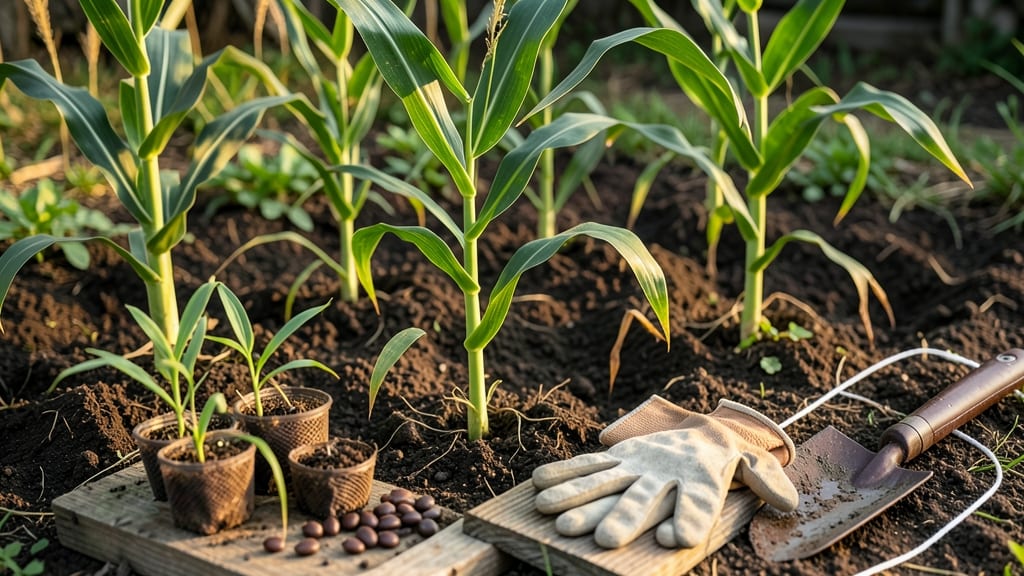
Seattle’s frost dates and ideal corn planting windows
Seattle’s USDA Zone 8a climate means corn thrives in a tight window between last spring frost and first fall frost. The average last frost date is around March 15, but planting too early risks frost damage.
For sweet corn, aim for mid-April to early May to ensure ears mature before fall chill sets in by November 15.
Corn needs soil temperatures above 60°F to germinate. Use a soil thermometer to confirm warmth before planting. In Seattle, this typically aligns with late April to early May, but urban areas may lag behind rural spots by 1-2 weeks due to heat-island effects.
🌱 Seattle Corn Planting Summary
| Stage | Action | Notes |
|---|---|---|
| Soil Prep | Test pH (6.0-7.0), amend with compost | Use raised beds in cold microclimates |
| Planting Window | Mid-April to early May | Wait for soil >60°F and no frost risk |
| Germination | 7-14 days at 60°F+ | Keep soil moist but not soggy |
| Harvest Window | July to early September | Ears mature in 70-100 days |
| Frost Risk | After November 15 | Use row covers to extend season |
For reliable harvests, plant in two successive batches spaced 10-14 days apart. This strategy ensures a staggered harvest, even if weather disrupts one planting. For example, plant half your seeds on April 20 and the rest on May 5 to cover Seattle’s variable spring.
Seattle’s short growing season (about 165 frost-free days) favors early-maturing varieties (60-75 days). Late-season corn may not reach full maturity before fall frosts hit. Always check days-to-maturity labels when selecting seeds to match your planting timeline.
Urban gardeners should note that concrete and buildings can delay soil warming by 1-2 weeks compared to rural areas. Test soil temperature in your specific spot using a digital thermometer—this is more accurate than relying on general frost dates.
If you’re unsure about your local frost dates, check the WSU Extension’s frost calendar or use local weather apps like MeteoBlue for real-time updates. These tools help adjust planting dates based on 5-year averages or current trends.
For maximum yield, plant corn in blocks (not rows) to improve pollination. A 4x4 foot block with 4 plants per hill spaced 12 inches apart works well for Seattle’s compact gardens. This arrangement also makes it easier to monitor for pests like corn earworms.
Remember: Corn is sensitive to cold, so avoid planting until nighttime temperatures consistently stay above 50°F. If an unexpected frost threatens, cover seedlings with frost blankets or row covers until temperatures rise.
Finally, keep a planting journal to track your corn’s progress. Note when you planted, soil temperatures, and any weather anomalies. Over time, you’ll refine your localized planting window for Seattle’s ever-changing climate.
Seattle’s frost dates and ideal corn planting windows
Seattle’s USDA Zone 8a climate means corn thrives best when planted after the average last frost date of March 15. However, late frosts can linger into April, so timing is critical.
Most corn varieties need 90-120 frost-free days to mature—Seattle’s 165-day growing season gives you flexibility but requires precision.
For sweet corn, aim for two planting windows: mid-April to early May for early varieties and late May to early June for longer-season types. Early planting risks frost damage, while late planting may delay harvests until September, when cooler nights reduce sweetness.
Always check soil temperature—corn needs 60°F+ to germinate.
🌱 Seattle Corn Planting Timeline
| Stage | Action | Key Notes |
|---|---|---|
| Soil Prep | Test pH (6.0-7.0), amend with compost | Do in February-March |
| First Planting | Mid-April to early May | Use row covers if frost risk |
| Second Planting | Late May to early June | For late-season varieties |
| Harvest Window | July to September | Avoid fall frosts (after Nov 15) |
Seattle’s microclimates (e.g., urban heat islands vs. cooler highlands) can shift frost dates by 1-2 weeks. Urban areas like Ballard may warm faster, while Snoqualmie stays colder longer. Use a soil thermometer to confirm 60°F+ before planting—cold soil delays germination by 3-5 days.
For early varieties like ‘Ambrosia’ (65 days to harvest), start by April 15 to avoid frost. For late varieties like ‘Peaches and Cream’ (90 days), wait until May 20 to ensure maturity before September’s cooler nights. Always stagger plantings by 2 weeks for a continuous harvest.
Monitor the National Weather Service or WSU Extension for local frost alerts. If frost threatens after planting, use floating row covers to protect young seedlings. Remember: Corn needs warmth, not just frost-free days—prioritize soil temperature over calendar dates.
Planting too early risks frost damage to emerging shoots, while late planting may leave you with underdeveloped ears by harvest. Balance these risks by choosing disease-resistant varieties and planting in well-drained, sunny spots with 6+ hours of sunlight daily.