
Plants
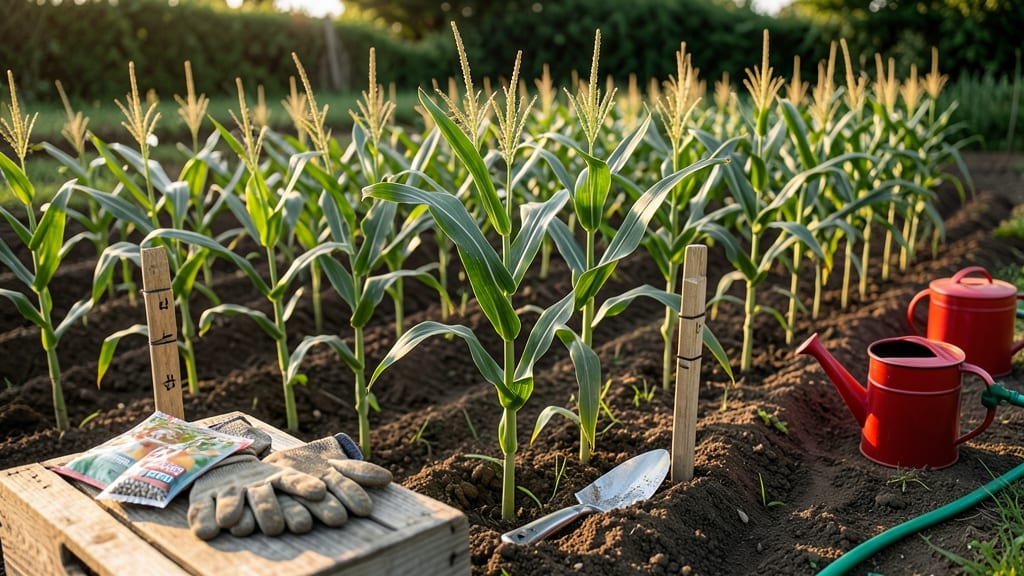
Planting corn in Zone 9 at the wrong time can mean the difference between a bumper crop of sweet 🌽 and a total flop. Unlike cooler climates, Zone 9 gardeners have a narrow window to avoid summer heat stress while still beating frost risks—even though they’re rare.
The key is timing your seeds for soil that’s warmed to 60°F+ and temperatures that won’t smother young plants before they take off.
Most gardeners in Southern California, Arizona, or Nevada deserts reach for their corn seeds in late February or March, but that’s just the starting point. What you really need is a strategy that accounts for your local microclimate—whether you’re dealing with coastal breezes or inland heat spikes.
I’ll show you exactly how to adjust your planting schedule so you’re harvesting plump ears from May through August without a single ear going to waste.
Here’s the game-changer: planting 1–2 weeks after your last frost date (which, in Zone 9, is often mid-January or later) gives your corn the head start it needs. But it’s not just about dates—it’s about soil prep, variety selection, and even companion planting to keep pests at bay.
Let’s break down the exact steps to turn your Zone 9 garden into a corn-growing powerhouse.
Ready to skip the guesswork? You’ll learn which heat-tolerant varieties thrive in your region, how to stagger plantings for a continuous harvest, and the one trick that keeps your corn from drying out in the desert sun. Let’s get those seeds in the ground the right way.
Zone 9 corn planting calendar: exact dates for frost-free success
Corn thrives in Zone 9's warm climate, but timing is critical to avoid heat stress or poor pollination. Unlike colder zones, you won’t worry about frost, but soil temperature and day length still dictate the perfect window.
Plant too early, and your corn may bolt; too late, and summer’s intense heat can stunt growth. The ideal time is when soil reaches 60°F+—typically late February to early April—depending on your microclimate.
Zone 9’s 270+ frost-free days give you flexibility, but most varieties need 75–100 days to mature. This means your last planting should finish by mid-June to ensure harvest before summer’s peak.
For example, in Southern California, coastal areas can start as early as February 15, while inland deserts may wait until March 15 to avoid premature drying.
🌱 Key Rule: Always plant when soil is 60°F+ (use a soil thermometer) and daytime temps stay below 90°F for the first 2 weeks. Heat above 95°F during pollination can cause blind ears (ears with no kernels).
| Planting Window | Soil Temp | Last Planting Date | Harvest Window |
|---|---|---|---|
| Late February | 60°F+ | Mid-June | May–July |
| Early March | 65°F+ | Late June | June–August |
| April (succession) | 70°F+ | Early July | July–September |
*Adjust dates 1–2 weeks earlier for coastal areas, later for inland deserts.
For sweet corn, aim for two plantings: one in late February and another in early April. This succession planting ensures a continuous harvest. Popcorn and field corn can handle slightly later plantings (up to May 1) since they mature slower and tolerate higher temps.
Always choose heat-tolerant varieties like ‘Silver Queen’ or ‘Peaches and Cream’ to avoid kernel abortion in Zone 9’s heat.
Pro tip: Use black plastic mulch to warm soil faster and retain moisture. Lay it down 1–2 weeks before planting to create a 5–10°F warmer microclimate. This lets you start planting 2 weeks earlier in cooler microclimates like Zone 9a (e.g., higher elevations in Southern California).
Monitor day length too—corn prefers 14–16 hours of daylight. In Zone 9, days are already long by spring, but shorter days in late summer can slow growth.
If planting in May or June, opt for short-season varieties (e.g., ‘Bodacious’ at 65 days) to finish before September’s shorter days reduce yields.
Finally, avoid planting in summer’s peak heat (July–August). Temperatures above 95°F can cause pollination failure, leading to empty husks. If you must plant late, use shade cloth (30–50% shade) during the first 3 weeks to protect young plants.
Water deeply at soil level (not overhead) to prevent leaf scorch and fungal issues like gray leaf spot.
With these Zone 9-specific dates and tips, you’ll enjoy sweet, plump corn from May through September—no frost worries here! 🌽
How to adjust corn planting dates for Zone 9’s microclimates
Zone 9’s diverse microclimates—from coastal Southern California to inland deserts—mean one-size-fits-all planting dates don’t work. Coastal areas like San Diego stay mild longer, while Phoenix’s high deserts can hit 100°F by May.
Adjust your schedule based on your specific location to avoid heat stress or poor pollination.
For coastal Zone 9 (e.g., Los Angeles, Santa Barbara), plant late February to early March when soil reaches 60°F. These areas have cooler nights and less extreme heat, giving corn time to mature before summer intensity peaks. Use black plastic mulch to warm soil faster if needed.
In inland desert regions (e.g., Phoenix, Las Vegas), shift planting to mid-March to early April. The goal? Avoid 100°F+ temperatures during pollination (when tassels emerge). Succession planting every 2 weeks extends harvests—plant March 1, March 15, and April 1 for staggered yields through summer.
-
1Coastal Zone 9: Plant Feb 20–Mar 10 (soil 60°F+). Harvest June–July.
-
2Inland Desert: Plant Mar 15–Apr 5 (avoid May heat). Harvest July–Aug.
-
3High Elevations (e.g., Flagstaff): Plant Apr 1–May 1 (cooler temps). Harvest Aug–Sept.
-
4Succession Tip: Stagger plantings every 2 weeks for continuous harvests (e.g., Mar 1, 15, 30).
Don’t overlook high-elevation Zone 9 areas (e.g., Flagstaff, AZ), where cooler nights allow later plantings. Aim for April 1–May 1 here—corn thrives in 60–85°F days but struggles above 90°F. Shade cloth (30–50%) can protect young plants during heatwaves.
For urban gardeners, container-grown corn needs larger pots (10+ gallons) and daily watering. Plant March 15–April 1 and move pots to partial shade if temps exceed 95°F. Dwarf varieties like ‘Little and Lovin’ It’ work best in containers.
Pro tip: Check your local agricultural extension office for hyper-local frost data. Even in Zone 9, unexpected cold snaps can occur in high deserts. Row covers offer 5–10°F protection if nights dip below 50°F after planting.
By tailoring your schedule to your microclimate, you’ll avoid heat stress, maximize yields, and enjoy fresh corn all summer long. 🌽