
Plants
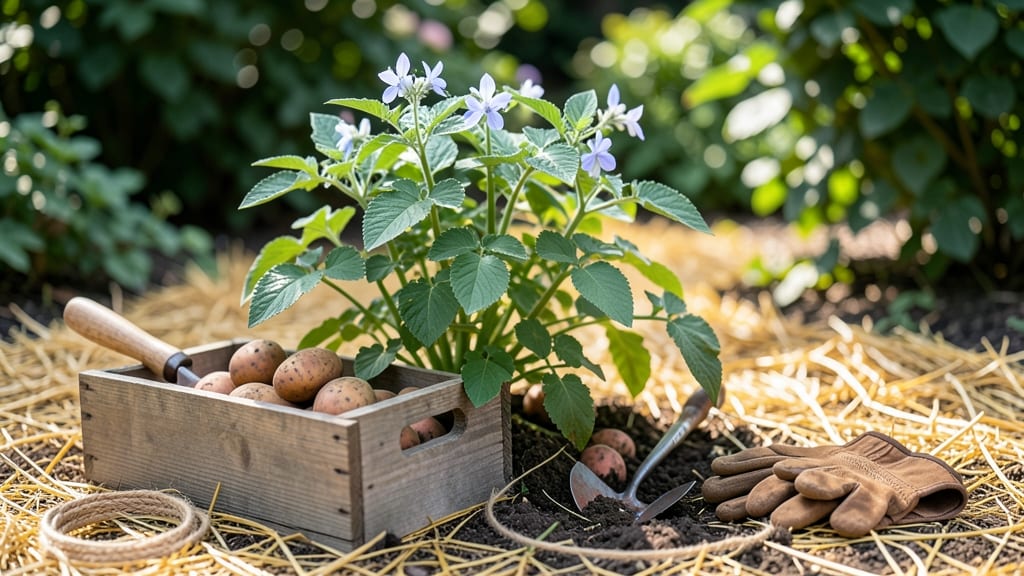
When to plant fall potatoes in Oklahoma could mean the difference between a bumper crop and a frost-killed garden. With Oklahoma's 7a-7b climate and unpredictable weather, getting those 🥔 in the ground at the right moment is critical.
You might think late summer is your only chance, but the ideal window actually starts in August and stretches into early September. Plant too early, and you risk heat stress; too late, and frost will ruin your harvest before you even dig.
Let me show you how to pinpoint the perfect moment based on your specific microclimate.
This isn't just about dates—it's about soil temperatures, first frost predictions, and even which potato varieties will thrive in Oklahoma's late-season conditions. I'll walk you through everything from soil prep to frost protection so you can maximize your yield.
Whether you're a seasoned gardener or just starting with 🥔, these insights will help you avoid common mistakes and grow potatoes that actually make it to your table. Let's get those spuds in the ground the right way.
Optimal fall planting windows for Oklahoma’s microclimates
Oklahoma’s diverse geography—from the Panhandle’s dry plains to the Ouachitas’ higher elevations—means your fall potato planting window can vary by 10 days or more. The key is aligning your planting with soil temperatures above 45°F and 4-6 weeks before the first frost.
For most of Oklahoma (USDA zones 7a-7b), this lands in late August to early September, but regional tweaks are essential.
In western Oklahoma (e.g., Lawton or Altus), where nights cool faster, aim for mid-August planting.
Meanwhile, in southeastern Oklahoma (e.g., Tulsa or Muskogee), you can push planting until early September due to milder microclimates. Mountainous areas like the Arbuckle Mountains may need planting as early as late July to avoid early frosts.
Here’s the golden rule: Use the Oklahoma Mesonet frost prediction tool to pinpoint your local first frost date. Subtract 90 days (for mature harvest) and 14 days (for tuber development) to calculate your ideal planting window.
For example, if frost hits November 10, plant by August 1.
Soil temperature is just as critical as air temperature. Potatoes thrive when soil stays between 50°F and 75°F. Use a soil thermometer to confirm—if temperatures dip below 45°F, growth stalls.
In Oklahoma’s heat-scorched summers, soil may stay warm into September, but late-September plantings risk harvest timing clashes with frost.
For container growing, adjust your window 2-3 weeks earlier since pots cool faster. Place containers in south-facing spots or use black plastic mulch to retain heat.
In urban Oklahoma City, where heat islands delay cooling, you might extend planting until September 15—but monitor 10-day forecasts for cold snaps.
| Oklahoma Region | USDA Zone | Ideal Planting Window | First Frost Date | Soil Temp Goal |
|---|---|---|---|---|
| Panhandle (Amarillo, Guymon) | 7a | Late July - Early August | October 20 - November 5 | 50°F - 70°F |
| Western (Lawton, Altus) | 7b | Mid-August - Early September | November 1 - November 15 | 50°F - 75°F |
| Central (Oklahoma City, Stillwater) | 7a-7b | Late August - Early September | November 5 - November 20 | 50°F - 70°F |
| Southeast (Tulsa, Muskogee) | 7b | Early September - Mid-September | November 15 - December 1 | 50°F - 75°F |
| Mountainous (Arbuckle Mtns, Wichita Mtns) | 7a | Late July - Early August | October 15 - November 10 | 45°F - 65°F |
Pro tip: Certified seed potatoes (not grocery-store spuds) are your best bet for fall planting. They’re disease-free and pre-sprouted, giving them a head start. Cut seed potatoes into 1.5-inch chunks with at least 2 eyes per piece, let them cure in sunlight for 3-5 days, and plant 2-4 inches deep in loose, well-draining soil. Space rows 30 inches apart to prevent blight in Oklahoma’s humid falls.
If you’re in a warmer microclimate (like south Tulsa), consider succession planting: Start with an early August batch for October harvests, then plant a second batch in mid-September for late November harvests.
Just be ready to cover plants with row fabric if a cold snap threatens before harvest.
For organic growers, amend soil with compost or aged manure 2-3 weeks before planting to boost microbiome activity. Oklahoma’s clay-heavy soils (common in southeastern regions) benefit from sand or peat
How to adjust planting dates based on Oklahoma’s fall weather patterns
Oklahoma’s fall weather is famously fickle—one week can bring 80°F heat, while the next delivers a 32°F frost. To succeed, you must read the forecast like a weather map and adjust your planting dates accordingly.
The key is balancing soil warmth with frost risk, ensuring your potatoes have enough time to mature before winter sets in.
Start by checking the 10-day forecast 4-6 weeks before your target planting date. Look for a stretch of consistent temperatures above 50°F—this signals soil readiness. If forecasts show early cold snaps, delay planting or use row covers to extend the season.
My rule of thumb? Plant when the average nighttime low stabilizes above 45°F.
Here’s the critical mistake many Oklahoma gardeners make: planting too early. If you sow potatoes in late August and hit a September heatwave, your tubers will sprout too quickly, leading to small, misshapen potatoes.
Wait until early September for most regions, or mid-September in cooler mountain areas like the Ozark Plateau.
🚨 Visual Element: Callout Warning 🚨
⚠️ Warning: Planting Too Late is Riskier Than You Think
If you delay planting past mid-September, your potatoes may not mature before first frost. In Oklahoma’s USDA Zone 7a-7b, frost typically arrives by November 15, leaving only 60-90 days for harvest. Late plantings often result in stunted tubers or frost damage.
Pro Tip: Use black plastic mulch to warm soil by 5-10°F and extend the season by 2-3 weeks.
For gardeners in western Oklahoma (e.g., Panhandle region), where drought is a bigger threat than frost, prioritize early September plantings. These areas benefit from drip irrigation to maintain moisture during hot, dry spells.
Meanwhile, southeastern Oklahoma (like McAlester) can push plantings later due to longer frost-free windows.
Another trick? Plant a second crop of fast-maturing varieties like ‘Yukon Gold’ in late August if you’re eager for an early harvest. These varieties can mature in 70-80 days, giving you a double harvest—one in October and another in November if conditions allow.
Finally, keep an eye on soil temperature. Use a soil thermometer to confirm readings of 50°F or warmer at 4-inch depth—this is the sweet spot for potato sprouting.
If your soil is cooler, delay planting or use straw mulch to insulate the ground. With these adjustments, you’ll turn Oklahoma’s unpredictable fall into your potato-growing advantage.