
Plants
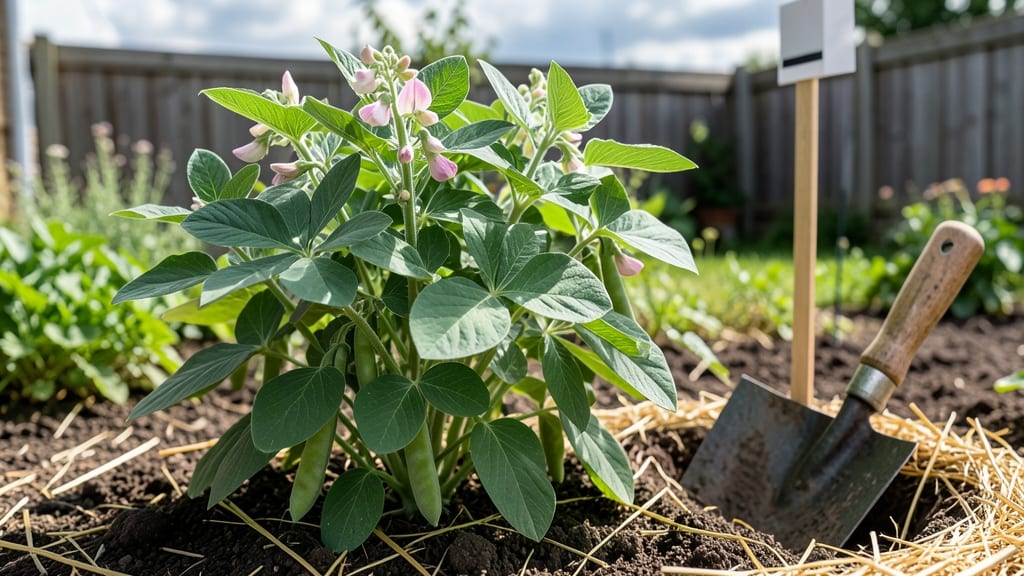
Optimal planting windows for fava beans in Zone 8
Fava beans (Vicia faba) are cool-season powerhouses that thrive when temperatures dip below 75°F. In USDA Zone 8, timing is everything—plant too early, and you risk pre-frost damage; too late, and your harvest suffers from summer heat stress.
The sweet spot? Two distinct windows: fall (October–November) and early spring (February–March).
Zone 8’s last frost date typically falls around December 15, while the first frost arrives by January 15. Fava beans can handle light frosts (28°F) once established, but seedlings need warmth to germinate.
Aim to plant 4–6 weeks before frost for fall crops or 6–8 weeks before your last frost in spring.
Soil temperature is your best germination guide. Fava beans sprout best when soil stays between 50–70°F. In Zone 8, this usually means October planting (soil cools naturally) or February–March (soil warms slightly before spring). Use a soil thermometer to confirm—if temps hover above 75°F, germination slows dramatically.
Here’s the frost-free timeline broken down for Zone 8:
For coastal Zone 8 (e.g., Southern California), extend your fall window to December—milder microclimates delay frost. Inland areas (e.g., Arizona deserts), stick to October–November to avoid premature heat in late winter. Staggered planting every 2–3 weeks ensures a continuous harvest.
Pro tip: Pre-soak seeds for 8–12 hours before planting to speed up germination in cooler soil. Fava beans are nitrogen-fixers, so they improve soil health—just don’t overcrowd! Space seeds 2–3 inches apart in rows 18 inches apart for optimal airflow and pod development.
Watch for soil compaction in Zone 8’s clay-heavy soils—amend with compost or sand to improve drainage. Well-draining soil prevents root rot, especially during winter rains. If your soil stays soggy, raise beds or plant on slopes for better drainage.
Remember: Fava beans hate competition. Remove weeds before planting and mulch with straw or grass clippings to suppress new growth. This keeps moisture levels steady and prevents fungal diseases like rust, common in Zone 8’s humid winters.
Once pods form, harvest regularly to encourage more production. Fava beans are self-pollinating, but gentle shaking of plants can boost pollination on calm days. If you miss the ideal windows, don’t despair—succession planting in late January can still yield a small summer crop.
With the right timing, your Zone 8 garden can produce 2–3 pounds of fava beans per 10-foot row—enough for fresh eating, freezing, or even homemade hummus. Just don’t wait until May to plant! 🌱
Optimal planting windows for fava beans in Zone 8
Fava beans are cool-season crops that thrive when temperatures dip below 75°F, making Zone 8’s mild winters and warm springs ideal for two planting windows: fall and early spring.
Planting at the wrong time can lead to slow germination or even seed rot, so timing is critical for a bountiful harvest.
In Zone 8, the first frost typically arrives around mid-January, and the last frost occurs near mid-December. To maximize growth, aim to plant fava beans 4-6 weeks before the first frost in fall or 4-6 weeks after the last frost in spring.
This ensures they mature before extreme heat or cold sets in.
For fall planting, I recommend sowing seeds in early October to give them time to establish roots before winter. If you’re in a coastal Zone 8 with milder winters, you can extend planting into early November. Always test soil temperature with a thermometer—50-70°F is ideal for germination.
In early spring, wait until February to plant, as soil temperatures in January are often too cold. If you plant too early, seeds may rot. Use a row cover to protect young plants from unexpected cold snaps, especially in inland Zone 8 areas where temperatures fluctuate more dramatically.
Pro tip: Stagger your planting by 2-3 weeks to ensure a continuous harvest. For example, plant one batch in late October and another in early November for fall, or mid-February and mid-March for spring.
This extends your harvest window and reduces the risk of losing your entire crop to weather shifts.
Remember, fava beans are sensitive to heat—if planted in late spring, they may bolt or produce bitter pods. Stick to the fall and early spring windows for the best results in Zone 8.