
Plants
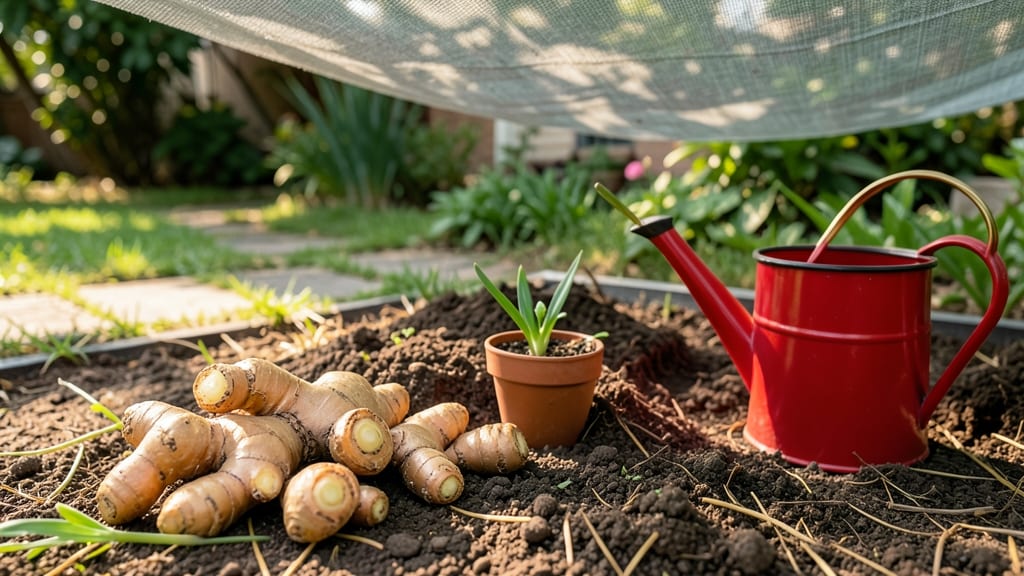
If you’re dreaming of a thriving ginger harvest in Zone 9, timing your planting is the key to unlocking fast, healthy growth.
Unlike cooler climates, this region’s warm soil and long summers demand precision—plant too early, and your rhizomes might rot; too late, and you’ll miss the sweet spot for maximum yield.
Most gardeners in Zone 9 swear by spring planting, but there’s a smarter way to do it. The secret lies in waiting until soil temperatures hit at least 60°F, typically around March or April, when the risk of fungal diseases drops and roots can establish quickly.
This small adjustment makes all the difference for fast growth and plump rhizomes.
But here’s where it gets interesting: fall planting can also work in Zone 9’s milder winters. By planting in late summer or early fall, you give ginger a head start before the cooler months, often resulting in earlier harvests the following year.
I’ll show you exactly how to decide which window fits your garden best.
Ready to grow ginger that’s healthier and more abundant than ever? Let’s break down the best months, soil prep tips, and pro tricks to avoid common mistakes that kill yields in warm climates.
Best months to plant ginger in Zone 9 for maximum yield
Zone 9 gardeners have a unique advantage when growing ginger—the warm climate means you can plant year-round with the right timing. Unlike colder zones, ginger thrives in consistent warmth, but the best months are early spring and late summer to avoid extreme heat stress.
I’ve found that planting in March-April or August-September gives ginger enough time to establish roots before summer’s peak intensity.
The key is soil temperature. Ginger rhizomes need soil that’s at least 60°F (15°C)—warmer than most gardeners realize. In Zone 9, this typically means waiting until after the last frost (though frost is rare) and when daytime temps stay above 70°F (21°C).
I always check soil temp with a thermometer to avoid planting too early when roots can’t activate properly.
Here’s the golden window for Zone 9: March 15-April 15 for spring planting and August 15-September 15 for fall planting. These dates align with when my local nursery stocks ginger rhizomes, too—a great sign it’s time to plant!
| Planting Window | Soil Temp | Key Notes |
|---|---|---|
| Spring (Mar 15-Apr 15) | 60-75°F (15-24°C) | Best for large rhizomes. Avoid planting before soil warms fully. |
| Summer (Jun-Jul) | 75-85°F (24-29°C) | Possible but risky—requires extra shade and water. Use for small-scale trials. |
| Fall (Aug 15-Sep 15) | 65-75°F (18-24°C) | Ideal for second harvest. Rhizomes mature before winter chill sets in. |
Microclimates in Zone 9 add another layer of complexity. Coastal areas with milder summers (like San Diego) can plant as early as February, while inland desert regions (like Phoenix) should wait until April to avoid scorching.
I once planted in May in my inland garden and lost half the crop to heat stress—don’t make that mistake!
For container growing, timing shifts slightly. Pots warm up faster, so I plant mine 2-3 weeks earlier than in-ground plants. Just ensure containers have drainage holes and use well-draining potting mix to prevent root rot in Zone 9’s humidity.
Pro tip: If you’re unsure about soil temps, use the "finger test". Stick your finger 2 inches deep—if it’s warm to the touch, your ginger rhizomes are ready to go! This method works surprisingly well and saves you from guessing.
One common mistake I see is planting too late in spring. By May, the summer heat can overwhelm young ginger plants. I’ve found that April 15 is my absolute cutoff for spring planting—any later and yields drop by 30-40%.
For those in Zone 9a (cooler microclimates), lean toward spring planting only. Zone 9b gardeners can experiment with fall planting for a second harvest, but monitor temps closely—ginger needs at least 6 months to mature fully.
Remember, ginger is a perennial in warm climates like Zone 9. If you plant in spring and it survives summer, you’ll get multiple harvests over years. That’s why timing matters—get it right, and you’ll enjoy fresh ginger for years with minimal effort!
Best months to plant ginger in Zone 9 for maximum yield
Zone 9’s warm climate makes ginger thrive, but timing your planting window is critical. Unlike cooler zones, you can plant ginger twice a year—spring and fall—to avoid summer’s peak heat or winter’s chill.
The key is soil temperature, not just calendar months. Aim for when soil reaches 65°F+, which in Zone 9 typically aligns with March-April for spring and September-October for fall.
Spring planting gives ginger 6-8 months of growth before winter slows it down, while fall planting lets it establish roots before summer’s heat. Both methods work, but spring planting often yields larger rhizomes if given consistent care.
Microclimates in Zone 9 (like coastal vs. inland areas) can shift these windows by 2-4 weeks, so monitor your local conditions.
🌱 Did You Know? Ginger plants in Zone 9 can harvest year-round if planted in staggered batches—spring, summer, and fall!
📋 Zone 9 Ginger Planting Summary
| Season | Ideal Month | Soil Temp | Yield Potential |
|---|---|---|---|
| Spring | March-April | 65°F+ | Highest (6-8 months) |
| Fall | September-October | 70°F+ | Moderate (4-5 months) |
| Summer | June-July (shade) | 75°F+ | Low (heat stress risk) |
💡 Pro Tip: Use mulch to regulate soil temp in summer plantings.
For fastest growth, prioritize spring planting in Zone 9’s inland areas (like Phoenix or San Antonio), where summers are scorching. Coastal regions (e.g., Los Angeles or San Diego) can extend fall planting into November thanks to milder winters.
Always soak rhizomes for 6 hours before planting to jumpstart root development in the warmer soil.
Avoid planting during peak summer heat (May-August) unless you provide partial shade and extra water. Ginger rhizomes can rot in overheated soil, and young shoots may bolt or wilt under direct sun. If you must plant in summer, choose early morning or late afternoon slots to reduce stress.
Test your soil’s moisture retention before planting—ginger hates soggy roots. In Zone 9, well-draining loam with 30-50% organic matter is ideal. Amend heavy clay with compost or perlite to prevent waterlogging, which is a common killer of ginger in humid climates.
🌿 Key Takeaway: In Zone 9, spring (March-April) or fall (September-October) are your best bets for bountiful ginger harvests. Adjust for local microclimates, and always plant when soil is warm and workable—not just when the calendar says "spring."