
Planting
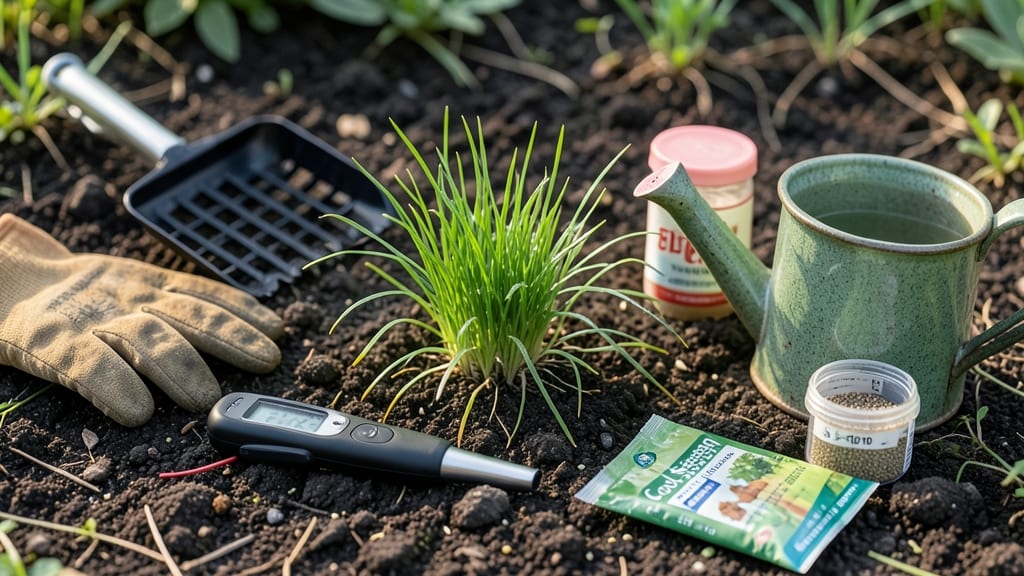
Timing your spring grass planting perfectly can mean the difference between a lush, green lawn and months of patchy brown spots.
If you've ever stared at your yard wondering "when should you plant grass in the spring", you're not alone—getting it right takes more than just picking a random weekend.
For most gardeners in USDA Zone 6 (like our default here), the ideal window opens 4-6 weeks before your last frost date, typically in early April.
This timing gives your 🌱 grass seeds the best shot at establishing roots before summer heat arrives, but it’s not as simple as setting a calendar reminder.
What you’ll discover is that soil temperature, local frost patterns, and even your grass type (cool-season vs. warm-season) all play a role in the perfect planting window.
I’ll walk you through exactly how to read your climate zone’s signals so you can avoid common mistakes that leave lawns thin or struggling.
Ready to transform your yard from bare patches to vibrant green? Let’s break down the science—and the simple steps—so you can plant with confidence this spring.
Best spring grass planting months by USDA climate zones
Spring is the prime time to plant grass, but the exact timing depends on your USDA climate zone and whether you’re growing cool-season or warm-season grasses.
Cool-season grasses like Kentucky bluegrass and tall fescue thrive in Zone 3–7, while warm-season types such as Bermuda or Zoysia dominate Zone 8–11. Planting too early risks frost damage, while waiting too long can leave your lawn vulnerable to weeds.
For cool-season grasses, aim to plant 4–6 weeks before your last frost date. This usually lands in March or early April for most northern regions. Warm-season grasses, however, need to wait until soil temperatures hit 65–75°F, typically late April to June in southern zones.
Let’s break it down by zone to avoid costly mistakes.
🌱
In Zone 3–4, where winters are harsh, plant cool-season grasses as soon as the ground thaws—typically late March. Use a frost blanket if nighttime temps dip below 32°F after planting.
For Zone 5–6, early April is ideal, but avoid planting if a hard frost is forecasted within 7–10 days. My rule of thumb? Wait until you can see daytime highs consistently above 50°F.
If you’re in a transition zone (Zone 7–8), you can plant cool-season grasses in early spring and warm-season grasses in late spring. For example, tall fescue (cool-season) goes in March–April, while Zoysia grass (warm-season) waits until May–June.
Always check your local frost dates—tools like the NOAA frost calculator can save you from costly errors.
For southern zones (Zone 9–11), focus on warm-season grasses like Bermuda or St. Augustine, planting in May or June. These grasses go dormant in winter, so spring planting isn’t an option.
Instead, overseed with ryegrass in fall for temporary winter color. Pro tip: In Zone 10–11, water daily for the first 2 weeks—high heat and low humidity can dry out new seedlings quickly.
One common mistake? Planting too early in warm zones or too late in cool zones. For instance, planting Kentucky bluegrass in June in Zone 5 means it’ll struggle through summer heat before establishing roots.
Conversely, planting Bermuda grass in April in Zone 9 risks frost damage. Always align your planting with your grass type’s natural growing season.
Finally, remember that microclimates matter. A shaded lawn or urban heat island may need adjustments. For example, if your yard is near pavement, soil may warm up
How to check soil temperature and local conditions before planting
Before you rush out to buy grass seed, checking your soil temperature and local conditions is the secret to success. Cool-season grasses like Kentucky bluegrass and tall fescue thrive when soil temps hit 50–65°F, while warm-season types such as Bermuda grass need 65–75°F.
Planting too early can leave seedlings vulnerable to frost, while waiting too long risks heat stress.
Start by testing your soil with a simple soil thermometer (available at garden centers for under $10). Insert it 2–4 inches deep in a shady spot, as direct sunlight can skew readings.
Early mornings are ideal for accurate measurements. If your soil is still below 50°F, wait—patience now prevents patchy growth later.
Next, use the USDA Plant Hardiness Zone Map to find your zone, then check your local frost dates via the NOAA Frost Calculator. Aim to plant 4–6 weeks before your last expected frost for cool-season grasses.
For example, in Zone 5, that’s typically late April to early May, while Zone 8 gardeners can start as early as February.
Cool-season grass planted in cold, wet soil risks fungal diseases like Pythium. Wait until soil is consistently above 50°F for at least a week.
Don’t forget to account for microclimates—your lawn’s edge might be 5°F warmer than the center due to pavement or buildings. Shaded areas stay cooler longer, so test multiple spots.
If your yard has partial shade, opt for shade-tolerant grasses like fine fescue or creeping red fescue, which germinate well in cooler temps.
Finally, monitor your local rainfall forecast for the next 2 weeks. New grass needs consistent moisture to germinate—aim for 1–1.5 inches of water weekly, either from rain or irrigation.
If drought is predicted, adjust your planting date or prepare to water deeply. A sprinkler timer set for early morning (6–10 AM) helps maintain even moisture without fungal risks.
Pro tip: Use a moisture meter to confirm soil moisture before planting. If the top 1–2 inches are dry, water thoroughly 24 hours ahead to create the perfect seedbed. This small step ensures your grass seeds make strong, deep roots from day one.