
Plants
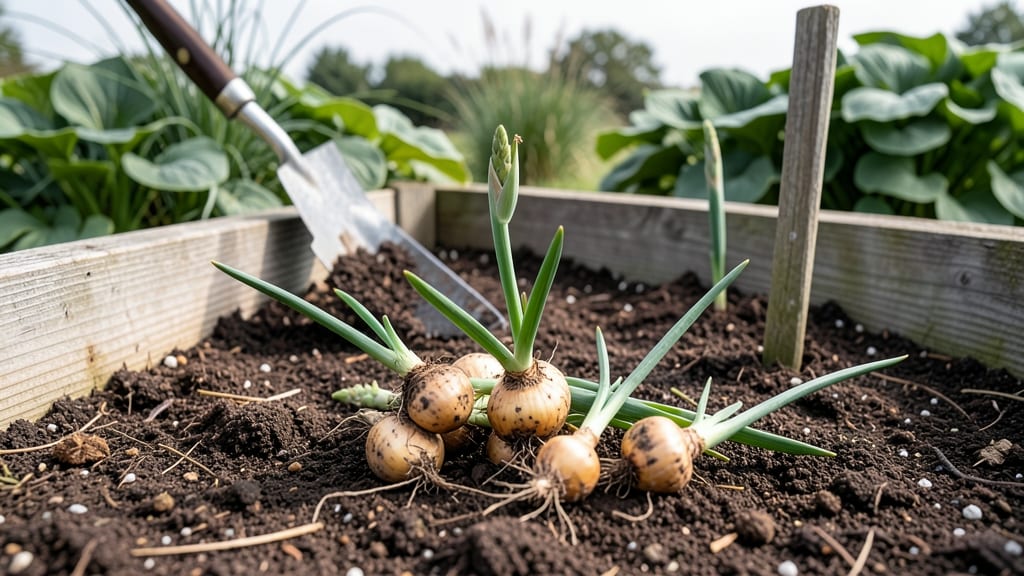
Planting gladiolus bulbs in North Carolina at the wrong time can mean the difference between stunning summer blooms and a sad, wilted disappointment. With the right timing, your garden can burst with bold, vibrant flowers from July to September—but get it wrong, and you might miss the entire show.
Here’s the secret: Mid-April to mid-May is your sweet spot, but it’s not just about the calendar—it’s about your specific zone.
Whether you’re in the Piedmont’s milder climate or the Coastal Plain’s warmer stretches, knowing when the last frost has passed (usually around April 15) is the key to success. Let’s break down exactly when and how to plant for your corner of the state.
You’ll also discover how to prep your soil for maximum growth, choose the best varieties for your region, and keep your gladiolus thriving through North Carolina’s summer heat. No more guessing—just a clear, step-by-step plan to turn your garden into a floral masterpiece.
Ready to dive in? I’ll walk you through everything you need to know, from planting depth to post-bloom care, so your gladiolus 🌸 stand out all season long.
North Carolina planting zones: best months for gladiolus bulbs by region
North Carolina’s diverse climate—from the Coastal Plain to the Mountains—means gladiolus bulbs thrive in different windows. The key is planting 4-6 weeks after your last frost date, but regional variations matter. Let’s break it down by zone to ensure your summer blooms shine brightest.
For Zone 7b (Coastal Plain and Piedmont), aim for mid-April to early May. Warmer coastal areas can start slightly earlier, while inland Piedmont regions may wait until late April. Zone 8a (Mountains and higher elevations) typically plants late April to early June, as frost lingers longer.
Gladiolus bulbs are frost-sensitive, so never plant before soil temps hit 60°F (15°C). Use a soil thermometer to check—cold soil stunts growth. In Zone 7b, this usually aligns with late April, while Zone 8a gardeners can wait until early June if frost is still a risk.
Heat-tolerant varieties like ‘Black Star’ or ‘Green Star’ handle NC’s summer heat better than delicate types. If you’re in Zone 8a, opt for these to extend your bloom season into early fall. Coastal gardeners can push planting to early June for late-summer flowers.
🌱 North Carolina Gladiolus Planting Guide by Zone
| Zone & Region | Best Planting Window | Last Frost Date | Soil Temp Requirement | Heat-Tolerant Varieties |
|---|---|---|---|---|
| Zone 7b (Coastal Plain) | Mid-April to early May | April 1-15 | 60°F (15°C) | ‘Black Star’, ‘Picasso’ |
| Zone 7b (Piedmont) | Late April to early May | April 15-30 | 60°F (15°C) | ‘Green Star’, ‘White Wings’ |
| Zone 8a (Mountains) | Late April to early June | May 1-15 | 55°F (13°C) | ‘Navajo’, ‘Pink Parfait’ |
⚠️ Pro Tip: Use mulch after planting to retain soil warmth and moisture, especially in Zone 8a where nights stay cool longer.
If you miss the spring window, don’t despair! Gladiolus bulbs can also be planted in late summer (August) for a fall bloom. However, this works best in Zone 7b—mountain gardeners risk early frost cutting blooms short. For a year-round display, stagger plantings every 2-3 weeks in spring.
Always plant bulbs 4-6 inches deep and 6 inches apart in well-draining soil. In clay-heavy NC soils, amend with compost or sand to prevent rot. Avoid planting in low-lying areas where water pools—gladiolus bulbs hate soggy roots.
For container gardening, use pots with drainage holes and plant bulbs 3 inches deep. This works well for balconies or patios in Zone 8a, where you can move pots to sheltered spots if frost threatens. Just ensure pots get full sun (6+ hours daily)!
Remember: Timing + location = success. Follow these zone-specific guidelines, and you’ll enjoy bold gladiolus blooms from July to September, turning your NC garden into a showstopper. 🌸
Soil and site preparation: critical steps before planting gladiolus bulbs
Before you even think about planting those gladiolus bulbs, your soil and site need to be ready. These dramatic flowers demand well-draining soil and full sun exposure—skimp on prep, and you’ll risk floppy stems or poor blooms.
Let’s break down the essentials to set your glads up for success in North Carolina’s varied climate.
Start by testing your soil pH. Gladiolus thrive in slightly acidic to neutral soil, ideally between 6.0 and 7.0. If your soil leans toward clay (common in the Piedmont) or sandy (coastal regions), amend it with compost or aged manure to improve structure and fertility.
A simple DIY test kit or local extension office can confirm your soil’s pH before you dig.
Next, focus on drainage. Gladiolus bulbs rot in soggy soil, so avoid low-lying areas where water pools. If your garden holds moisture, raise beds or mix in perlite or coarse sand to create air pockets.
In sandy soils, add organic matter like peat moss to retain moisture without suffocating roots.
Choose a sunny spot with at least 6 hours of direct sunlight daily. In North Carolina, this might mean a south- or west-facing garden bed. Gladiolus need full sun to produce their signature showy spikes, so avoid shady corners or areas under trees.
If you’re in the mountainous west, where summers can be cooler, prioritize southern exposure.
When it’s time to plant, space bulbs 6 inches apart in rows 12 inches apart to allow airflow and prevent fungal diseases. Dig holes 4-6 inches deep, placing bulbs with the pointed end up.
In warmer zones like the Coastal Plain (Zone 8), you can plant slightly deeper to protect bulbs from heat stress.
After planting, apply a 2-3 inch layer of mulch (straw or shredded leaves work well) to retain moisture and regulate soil temperature. This is especially critical in North Carolina’s hot, humid summers, where mulch helps bulbs stay cool and hydrated.
Replenish mulch as it breaks down to keep your glads thriving.
With the right prep, your gladiolus will reward you with bold, long-lasting blooms from mid-summer to fall—worth every minute of soil prep! 🌸