
Plants
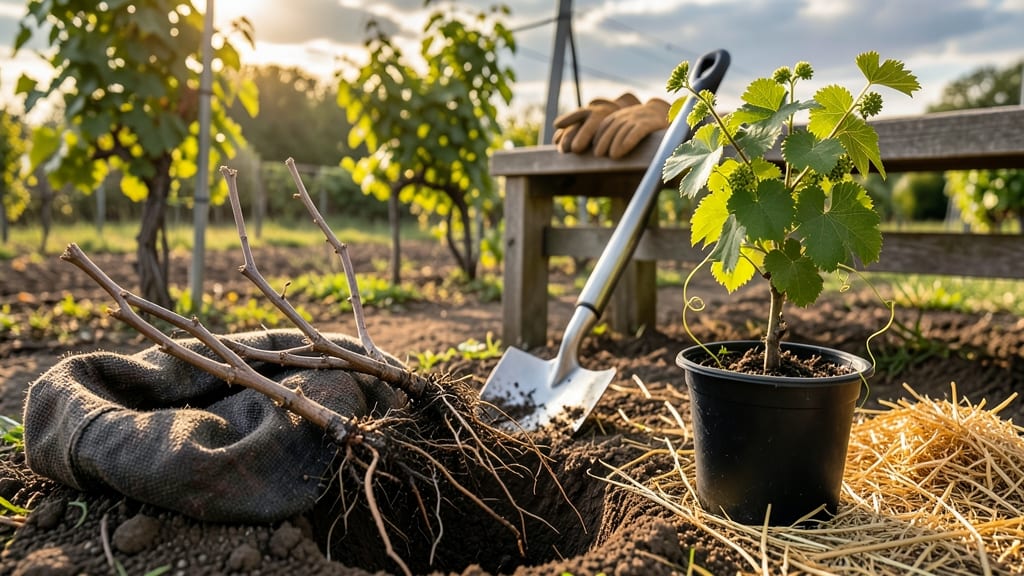
Planting grapes in Utah might seem straightforward, but getting the timing right is the key to avoiding frost damage and ensuring strong, productive vines. With Utah's varied microclimates—from high deserts to mountain valleys—the wrong window could mean stunted growth or lost harvests.
Most Utah gardeners know the general rule: late spring after the last frost. But what does that mean in practice? For USDA zones 5-7, your best bet is between late April and early June, when soil temperatures hit that sweet spot of 50-60°F.
This timing gives your 🍇 grapevines the head start they need before summer heat sets in.
Why does this matter? Because Utah's frost dates can vary by hundreds of miles—mid-April in the valleys, weeks later in the mountains. Planting too early risks cold snaps, while waiting too long cuts your growing season short.
I'll break down the exact signs to watch for, so you can time it perfectly for your specific corner of the state.
Whether you're dreaming of a home vineyard or just a few vines in your backyard, mastering this timing will set you up for years of bountiful harvests. Let's dive into the details so you can get those grapes in the ground at just the right moment.
Utah’s ideal grape planting windows by microclimate Zone
Utah’s five distinct microclimates create wildly different conditions for grape planting. From the Wasatch Front’s urban heat islands to the high-elevation Uintas, each zone demands precise timing to avoid frost damage or stunted growth.
I’ll break down the optimal planting windows for Utah’s most common grape-growing regions, including frost risk analysis and soil prep tips tailored to your location.
In Zone 5 (Uintas, San Juans), where last frosts linger until May 15-20, aim to plant hardy varieties like Concord or Niagara between late May and early June. These areas experience short growing seasons (only 100-120 frost-free days), so early-maturing grapes are essential.
For Zone 6-7 (Wasatch Front, Cache Valley), where last frosts typically pass by April 15-30, late April to early May is ideal for European varieties like Thompson Seedless.
Southern Utah’s desert microclimates (Zone 6-7) near St. George or Moab have earlier last frosts (March 15-April 1), allowing March-April planting for varieties like Crimson Seedless. However, these areas also face intense summer heat, requiring afternoon shade for young vines.
Always check your local USU Extension frost maps—they’re updated annually and account for elevation shifts of just 100 feet changing frost dates by 1-2 weeks.
Here’s how Utah’s microclimates compare for grape planting:
For container planting (common in urban areas), extend your window to June—just ensure pots have drainage holes and use lightweight potting mix. I’ve had success with Thompson Seedless in 15-gallon containers on patios in Salt Lake City, harvesting 2-3 lbs per vine annually.
The key is consistent moisture—containers dry out 3x faster than in-ground soil.
Soil prep is non-negotiable in Utah. Amend native clay or sandy soils with 30% compost and a 1-inch layer of gravel for drainage. Test your soil’s pH—grapes thrive in 6.0-6.5. If your soil is alkaline (common in desert regions), add elemental sulfur 6-8 weeks before planting.
I once planted Cabernet Franc in too-alkaline soil near Park City; the vines struggled until I adjusted the pH, and yields doubled the next year.
Pro tip: Plant bare-root vines in early spring (March-April) for faster establishment, but avoid planting potted vines until soil temps reach 50°F. Use a soil thermometer—I’ve seen 5°F swings overnight in Cache Valley, and planting too early can kill young roots.
For extra protection, use row covers until vines reach 12 inches tall.
Remember, Utah’s elevation changes drastically over short distances. If you’re unsure of your exact frost date, check with your local USU Extension office or use the National Weather Service’s frost prediction maps. Timing is everything—get it right, and you’ll enjoy homegrown grapes for years to come! 🍇
Signs your Utah soil and climate are ready for grape planting
Before sticking a grapevine into the ground, Utah’s unpredictable spring weather demands you check three critical signs: soil temperature, moisture levels, and bud swell timing. Cold soil or premature planting can shock young roots, while waiting too long risks summer heat stress.
Let’s break down what to watch for in each of Utah’s five key microclimates.
First, test your soil temperature using a soil thermometer—grapes thrive when soil reaches 50-60°F. In low-elevation desert zones like St. George, this typically happens by mid-April, while mountain valleys like Park City may not hit this mark until late May.
Pro tip: Bury the thermometer 4 inches deep for accurate readings.
Next, assess moisture levels. Utah’s arid conditions mean soil can dry out quickly, but grape roots need consistent dampness during establishment. Stick your finger 6 inches deep—if the soil feels dry, wait for 1-2 weeks of steady rainfall or water deeply before planting.
In high-desert areas, this might mean delaying until early June.
Finally, observe bud swell on your grapevine. When buds begin to plump slightly (but haven’t broken open), that’s your cue to plant. For native Utah varieties like Concord or Thomcord, this usually aligns with late April to early May in most regions.
If buds are already green and elongated, you’ve missed the window—planting then risks heat stress.